

By Kemo Kanyi
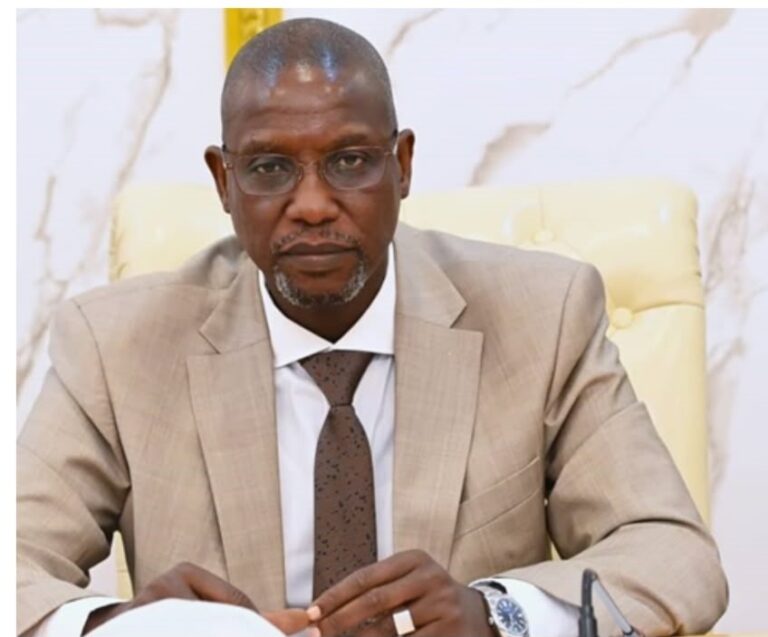
The leader of the Patriotic People’s Reformist Organization for Growth, Renewal, Equity, Security and Social Justice (PROGRESS), Amadou Jaiteh, has said the ongoing electricity crisis in The Gambia reflects a failure of government policy and leadership.
Speaking in an interview with The Voice on Tuesday, Jaiteh said the persistent power outages cannot be dismissed as a temporary technical challenge but point to deeper structural weaknesses in the energy sector.
He said that after nine years in office, the Barrow administration has failed to resolve challenges in the electricity sector, arguing that the situation reflects shortcomings in planning, accountability and governance.
According to him, significant financial resources have been invested in the sector since 2017 through loans, grants and development programmes, yet electricity supply remains unstable.
He cited several initiatives, including the Gambia Electricity Restoration and Modernisation Project, regional electricity access programmes, African Development Bank-supported projects, EU and EIB-funded solarisation efforts, and other power purchase and fuel supply arrangements.
Jaiteh argued that despite these interventions, citizens continue to experience frequent power outages, which he said undermines economic activity and development.
He said electricity failures directly affect productivity, business operations and household livelihoods, adding that unreliable power supply makes it difficult for entrepreneurs and investors to operate effectively.
He further stated that The Gambia’s reliance on imported power and external arrangements highlights weaknesses in national energy planning and domestic capacity development.
Jaiteh stressed that while regional cooperation remains important, it should not replace the need for strong national energy infrastructure and self-sufficiency.
He outlined his party’s position that energy reform should focus on strengthening NAWEC, investing in renewable energy, reducing dependence on fuel imports and upgrading the national electricity grid.
He added that electricity should be viewed as an essential service rather than a privilege, noting its importance for health, education, business and national development.
The PROGRESS leader said sustainable development would only be achieved through transparent governance, accountability and people-centred policies.
About the Author