
By: Fatou Krubally
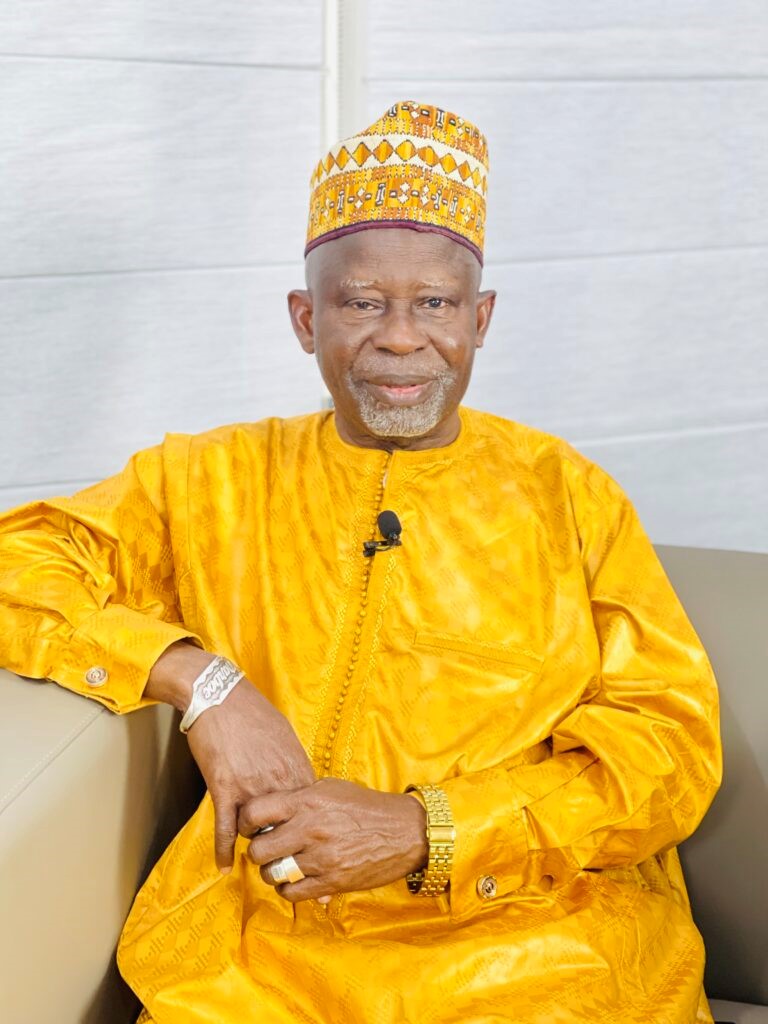
National Assembly Member for Kiang West, Hon. Lamin Ceesay, has urged African lawmakers to strengthen evidence-based governance by ensuring that public policies reflect the realities facing ordinary citizens.
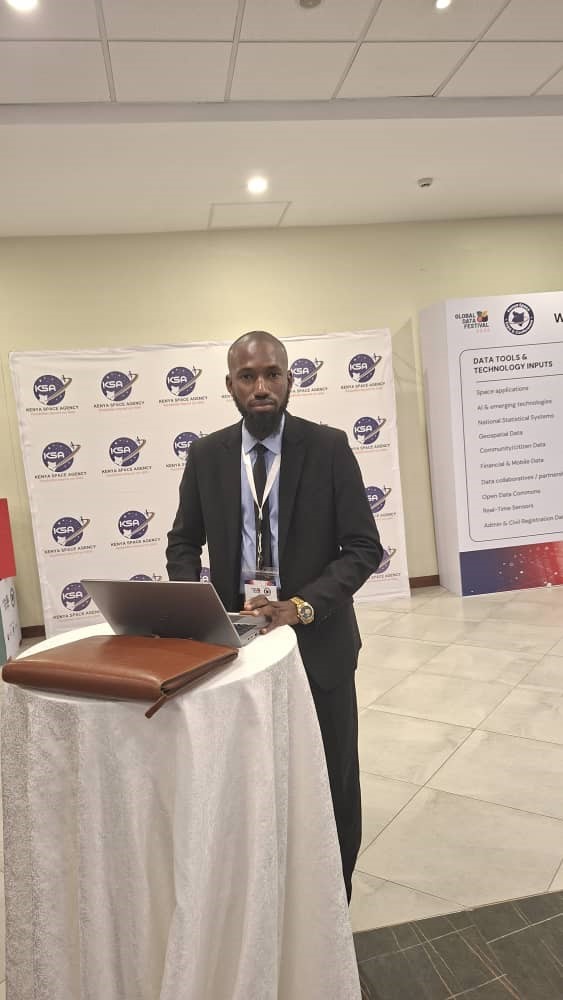
Speaking at the African Parliamentarians’ Bilateral Forum held on the sidelines of the Global Data Festival 2026 in Nairobi, Ceesay said research and policy decisions must remain connected to the daily experiences of communities, particularly in rural areas.
Addressing parliamentarians, policy experts and development partners, the Gambian legislator drew on experiences from his Kiang West constituency, where farming accounts for the main source of livelihood for more than 70 percent of households.
He said lawmakers have a responsibility to assess whether positive macroeconomic indicators translate into meaningful improvements in citizens’ living conditions.
“To make informed decisions, data must be tested against realities on the ground,” he said.
Ceesay illustrated his argument by recounting an incident in which his younger brother was bitten by a dog but could not access rabies vaccines at public health facilities, forcing the family to seek treatment at a private clinic at considerable cost.
The lawmaker outlined what he described as three practical approaches to balancing political priorities with research evidence. These include scrutinising national statistics through constituency experiences, protecting strategic sector budgets using regional commitments and strengthening oversight of state-owned enterprises through performance audits.
He cited The Gambia’s 2026 budget allocation to agriculture, which he said exceeded the Comprehensive Africa Agriculture Development Programme (CAADP) target of 10 percent, as an example of how data and regional commitments can support long-term development objectives.
Ceesay also called for stronger collaboration among African parliaments to improve legislative oversight and policy implementation across the continent.
Among his proposals were the standardisation of agricultural data systems, the establishment of parliamentary peer-learning programmes and the use of continental frameworks such as the African Union’s Agenda 2063 to guide governance and accountability.
He further recommended the creation of a continental data toolkit for legislators, citizen-focused budget summaries and cross-border oversight mechanisms to monitor development projects.
The Kiang West lawmaker concluded by urging African legislators to combine credible evidence with the needs of their constituents, stressing that effective policies emerge when political decisions are guided by facts and informed by realities on the ground.
About the Author