
By Yunus S Saliu
The Gambia Tourism Board (GTBoard) has warned against illegal encroachment, poor sanitation and environmental degradation within the Tourism Development Area (TDA) following a week-long inspection and sensitisation exercise across the country’s main tourism zone.
The exercise, led by GTBoard Director General Ida Jeng Njie, covered several sites within the TDA and focused on raising awareness about the need to maintain a clean, safe and attractive environment for tourists and residents.
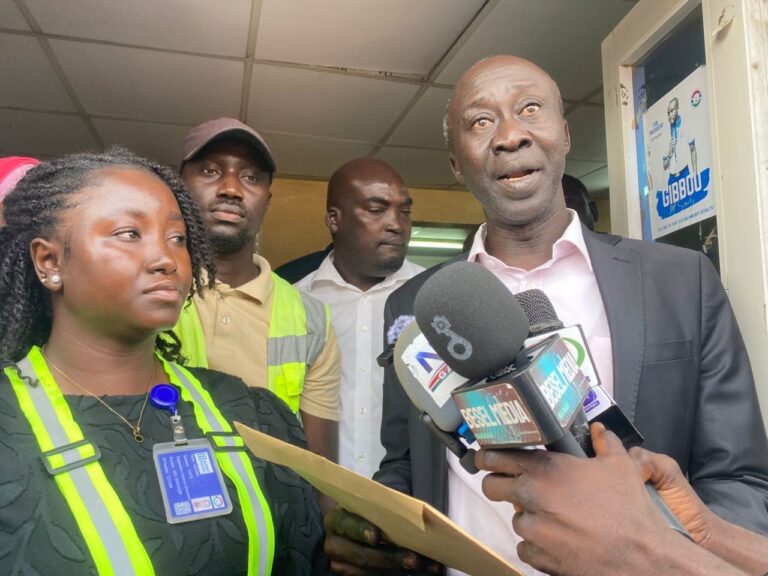
Speaking to journalists during the inspection tour, Jeng Njie said the initiative aimed to expose challenges affecting the tourism area and encourage collective efforts to address them.
“The purpose of these visits is for everyone to understand the current state of the Tourism Development Area and to work together to improve it. Tourism is everybody’s business, and protecting and maintaining the TDA is the responsibility of all Gambians,” she said.
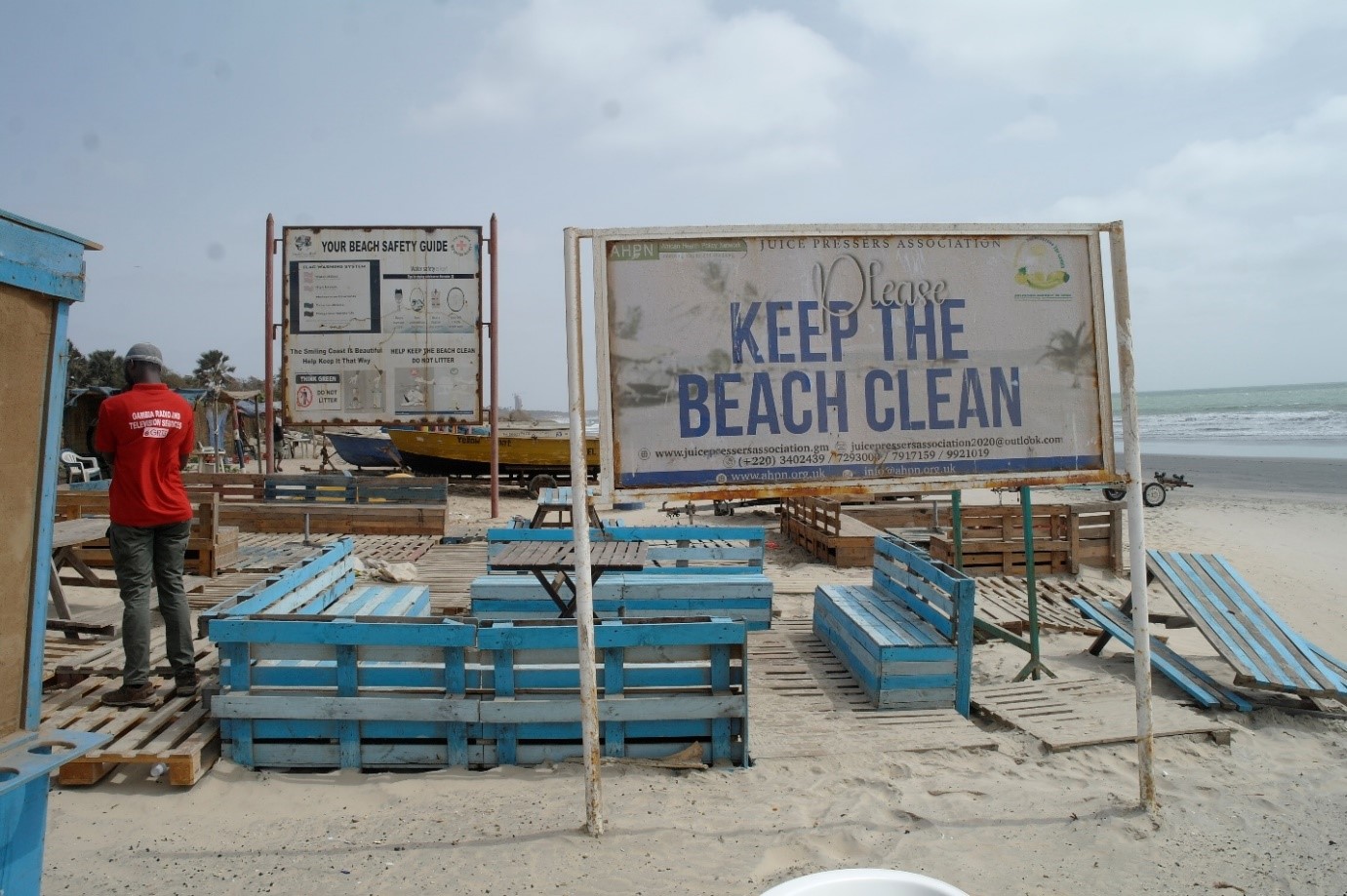
According to her, the inspections revealed several concerns, including indiscriminate waste disposal, illegal structures, encroachment on public spaces, tree cutting and activities threatening environmental sustainability.
She warned that poor sanitation and uncontrolled development could damage The Gambia’s reputation as a tourism destination and affect efforts to attract more visitors and investors.
“We want to attract more tourists and high-spending visitors, but that can only happen if our environment is clean, healthy and well managed,” she said.
The Director General disclosed that GTBoard spends nearly D700,000 every month on garbage collection and cleaning operations within the Tourism Development Area, including the recruitment of personnel dedicated to waste management.
Despite these efforts, she said maintaining cleanliness remains difficult because of improper waste disposal practices by some stakeholders.
Jeng Njie also expressed concern over illegal encroachment on land reserved for public infrastructure projects, including interventions by the government and the National Water and Electricity Company (NAWEC) to address sewage disposal challenges.
She cited a case involving an illegally constructed structure located near a sewage facility, adding that closure notices had already been issued to the operators.
“We have identified illegal structures obstructing planned interventions aimed at solving sewage and environmental problems. These developments are unlawful and pose health and environmental risks,” she said.
According to the tourism official, some businesses operating near sewage-affected areas are considering closure because of persistent odour and pollution, raising concerns about possible job losses and economic consequences.
Jeng Njie stressed that resolving the challenges facing the Tourism Development Area requires collective action involving local communities, businesses, environmental agencies and other stakeholders.
“The government cannot do it alone. We need collective responsibility if we are to maintain a clean and attractive tourism destination,” she said.
She warned that GTBoard would continue to enforce sanitation and planning regulations against individuals and businesses violating the law.
“We will continue to educate and sensitise stakeholders, but where necessary, we will enforce the law to ensure compliance,” she added.
The Director General said the inspection exercise had already produced positive results, with improvements recorded in several locations previously identified as problematic.
She expressed optimism that ongoing interventions and increased public cooperation would significantly improve conditions within the Tourism Development Area in the coming weeks.
The Tourism Development Area is The Gambia’s main tourism hub and plays a major role in attracting international visitors, generating employment and supporting the national economy.
About the Author