By Kemo Kanyi
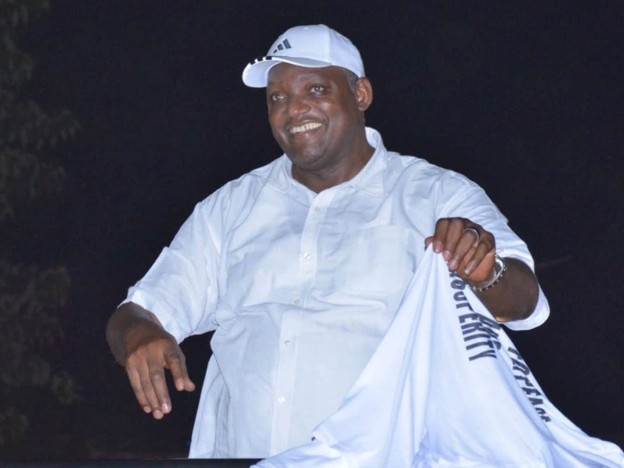
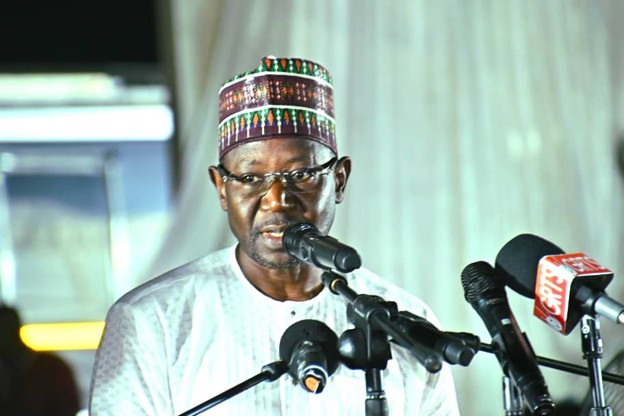
Mai Ahmed Fatty, leader of the Gambia Moral Congress (GMC) and national coordinator of the National People’s Party (NPP)-led alliance has argued that there is no scientific evidence directly linking presidential term limits to economic prosperity.
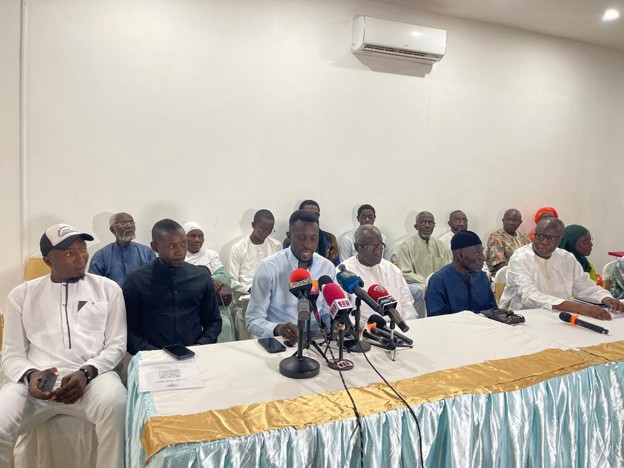
Speaking at a meeting in Manjai on Sunday, Fatty cited several countries whose political systems do not impose constitutional term limits on their heads of government, arguing that the absence of such limits does not prevent economic development.
“What I want to say is about the third term bit of that president. No one can stop it. I want to clarify that most of the biggest countries in the world, including England, don’t observe the term limit. They are our colonial masters. If you check their constitution, you will realise that it doesn’t specify term limits. Their Prime Minister can run for election ten times, and nothing can stop it,” Fatty said.
He cited the United Kingdom, Canada, Australia and Scandinavian countries as examples of established democracies with developed economies, arguing that their political systems allow leaders to remain in office through successive electoral victories.
“There’s no scientific evidence that shows term limit is directly connected with prosperity,” he added.
Fatty also argued that countries allowing leaders to remain in office for extended periods could achieve economic growth, citing the United Kingdom, Canada and China as examples.
He criticised those insisting that President Adama Barrow should not seek a third term, arguing that their position reflected a lack of knowledge about political systems in other parts of the world.
Fatty’s remarks come amid debate over whether Barrow should contest the December 2026 presidential election for a third term.
The GMC leader also defended the political dimension of the president’s ongoing Meet-the-People-Tour, dismissing arguments that the exercise should not be politicized.
He maintained that discussions about national development could not be separated from politics, adding that the president was entitled to address political issues under the constitution.
Fatty challenged those opposing political discussions during the tour to a public debate, arguing that politics was inseparable from issues affecting citizens’ welfare and national development.
About The Author