By: Fatou Krubally
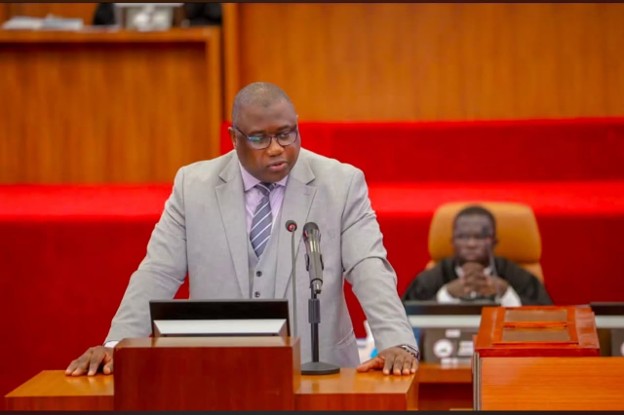
The Attorney General and Minister of Justice, Dawda A. Jallow, has acknowledged that he could not explain why The Gambia took so long to pursue ratification of the World Intellectual Property Organization (WIPO) Performance and Phonograms Treaty, adopted in 1996.
His response came on Monday during proceedings at the National Assembly where lawmakers approved a motion seeking ratification of the international treaty, which provided a framework for protecting the rights of performers and producers of phonograms.
Responding to a question about the delay, Mr Jallow said he had not looked into why the process had taken so long and could not provide an explanation.
“I really didn’t look into that. Why did it take us so long to ratify? I’m afraid you’ll excuse me for not giving you an answer that I’m not too sure of,” he told lawmakers.
The Attorney General, however, said the government had established a database of treaties signed by The Gambia and was working to address outstanding ratifications.
“Going forward, we now have a database of all the treaties that Gambia have signed, and we are working on catching up with our ratifications,” he said.
The treaty, adopted on December 20, 1996, entered into force internationally on May 20, 2002, following the deposit of the required instruments of ratification or accession by 30 states, according to the World Intellectual Property Organization.
The agreement establishes international standards for protecting performers and producers of phonograms, including interests relating to recorded performances and sound recordings.
Its ratification is relevant to The Gambia’s creative industry, particularly musicians, recording artists and producers whose work may be reproduced, distributed or made available to the public.
The Assembly’s approval of the motion marks a step in the country’s process of joining the treaty. The international legal process also requires the relevant instrument to be deposited with WIPO before the treaty enters into force for a country.
About The Author