By Yunus S. Saliu
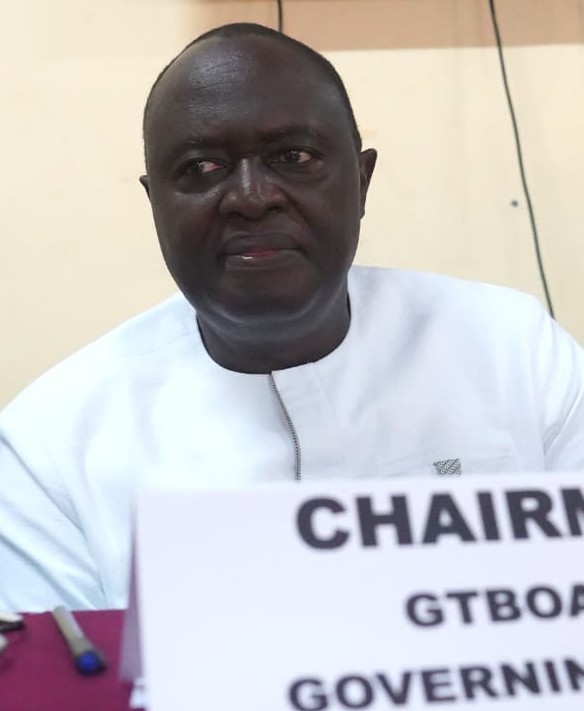
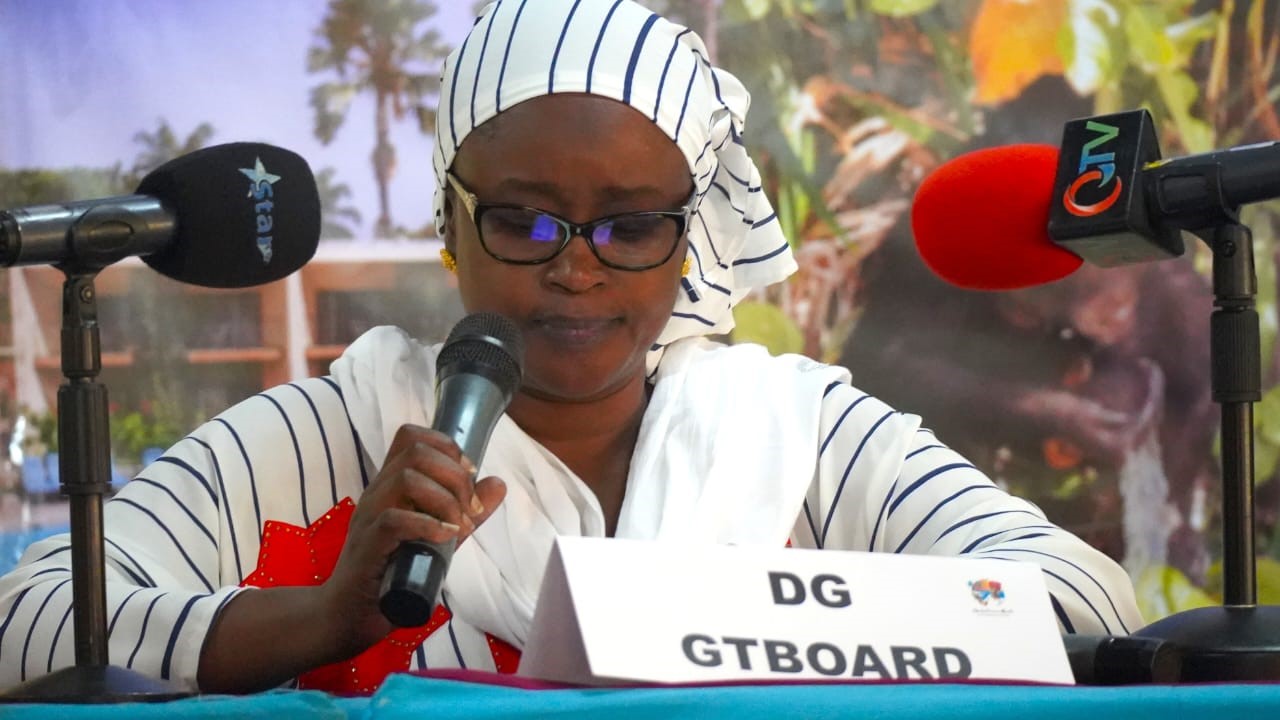
BASSE, The Gambia — Director General of the Gambia Tourism Board (GTBoard), Ida Jeng-Njie, has urged communities in the Upper River Region (URR) to take ownership of their tourism narratives and promote the unique stories, cultures and heritage of their communities.
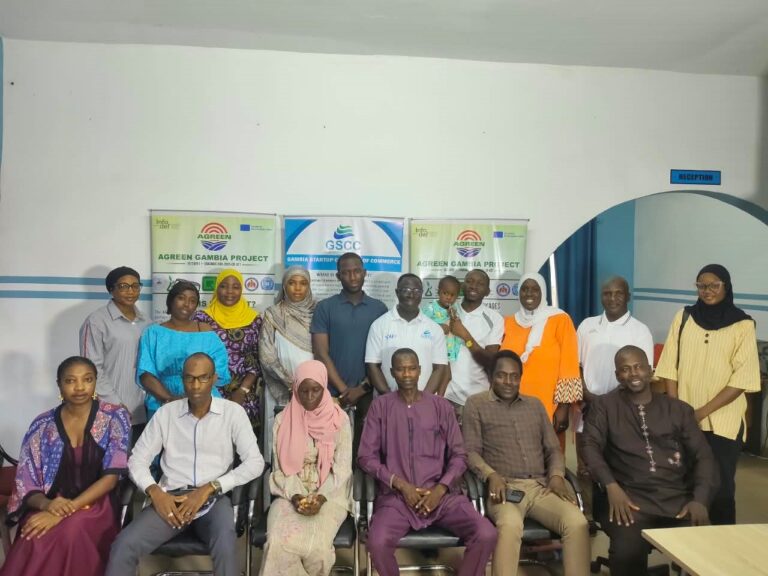
Jeng-Njie made the call during an ongoing Tourism Stakeholders Forum in Basse, where she urged communities not to allow outsiders to define or tell their stories for them.
“You should tell your own story. Do not allow anybody to tell the story for you,” she told tourism stakeholders.
She said local communities understood their history, culture and heritage better than outsiders and should therefore be actively involved in developing and promoting tourism products based on their own identities.
“Do not even allow us, sitting at the GTBoard office, to tell your story for you, because you know your story more than we know your story,” she said.
Jeng-Njie said the forum was intended to listen to communities, understand their priorities and work with them to develop tourism experiences that would distinguish the URR from other regions of The Gambia.
She said every region had its own identity and story, adding that developing distinctive regional tourism products would help diversify the country’s tourism offering.
“The culture inland is rich. The culture inland is different. The culture inland tells a different story. Everybody, every region has a story to tell,” she said.
According to Jeng-Njie, the URR is endowed with cultural and traditional sites, historical assets, community landscapes and other heritage resources that could contribute to the development of the national tourism sector.
She stressed, however, that tourism development could not be achieved by government alone and called for stronger collaboration among the GTBoard, regional authorities, traditional leaders, communities, private-sector operators, women and young people.
Traditional leaders and Alkalo officials, she said, have an important role as custodians of community cultural, traditional and heritage sites.
Jeng-Njie said their leadership and cooperation would be essential to ensuring that tourism development respects local values, protects cultural identity and creates benefits for communities where tourism activities take place.
She also encouraged communities to actively participate in and benefit from tourism rather than simply hosting visitors.
Tourism, she said, could create opportunities in employment, entrepreneurship and skills development while supporting local businesses, cultural enterprises, agriculture, transport and hospitality.
“Tourism is not just tourism’s business. Tourism is everybody’s business,” she said, noting that the sector cuts across areas including agriculture, fisheries and trade.
The GTBoard director general also encouraged Gambians to travel within the country and explore destinations beyond the traditional coastal tourism belt.
About The Author