By: Fatou Krubally
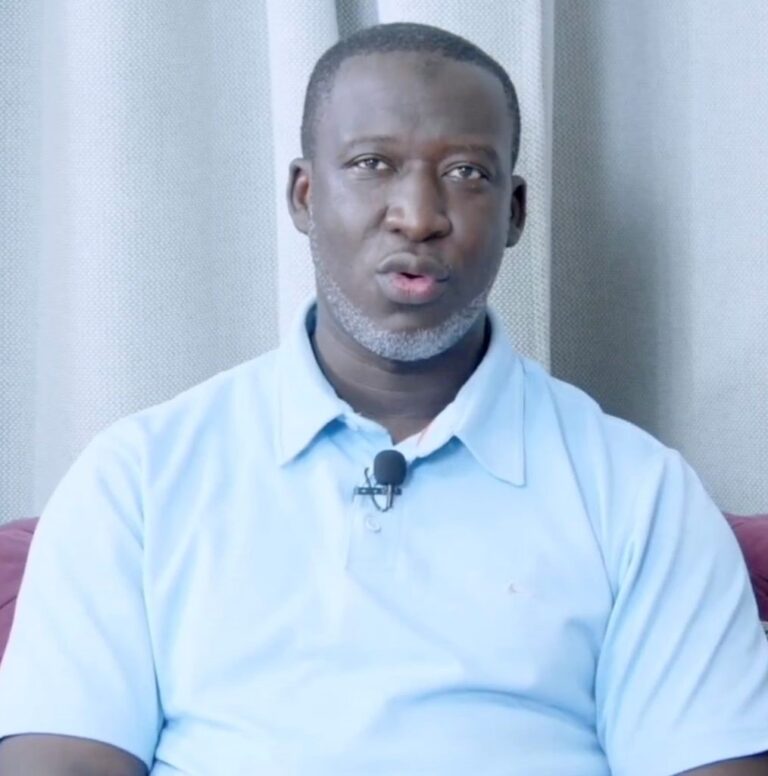
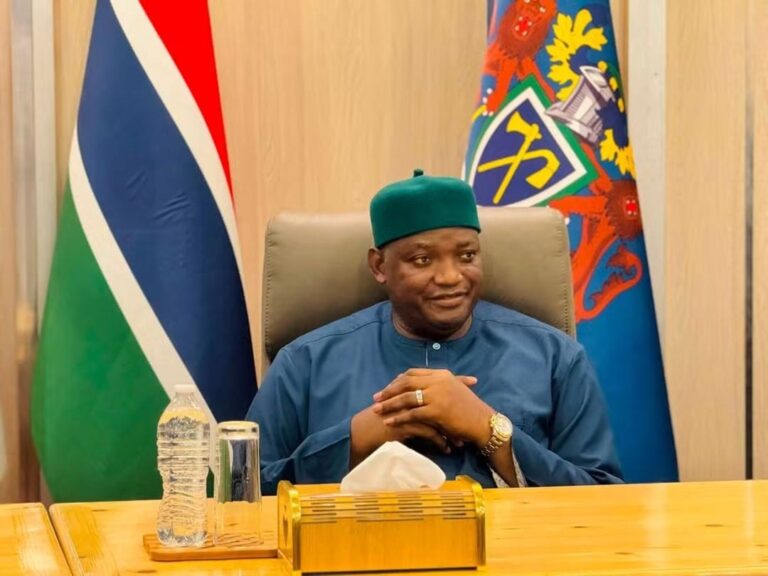
Vice President Mohammed B.S. Jallow has called for stronger international investment and appropriate financing to accelerate access to clean cooking solutions across Africa, stressing the need for greater African ownership in the transition.
The Vice President made the call on September 22, 2026, while speaking at a High-Level Event on Clean Cooking in New York, held on the margins of the 81st Session of the United Nations General Assembly.
According to the Office of the Vice President, Mr Jallow highlighted the importance of clean cooking to public health, household livelihoods, environmental protection and sustainable development.
He said The Gambia remained committed to expanding access to clean cooking, with the country targeting an increase in access from 25 percent to 50 percent by 2030.
The Vice President said the target would be supported by a gender-responsive clean cooking strategy, while stressing that the transition must take into account the realities of communities and households.
He called for clean cooking solutions that are affordable and locally appropriate, backed by stronger international partnerships.
Mr Jallow particularly highlighted the financing challenges faced by Least Developed Countries, saying countries with limited fiscal space require stronger international support to advance the transition.
“Africa should not have to choose between meeting its people’s basic energy needs and pursuing a cleaner and more sustainable future,” he said.
The Vice President also reaffirmed The Gambia’s readiness to work with Kenya, Norway, the Clean Cooking Alliance and other partners to advance practical and sustainable clean cooking solutions for communities across Africa.
His intervention placed clean cooking within the broader discussion on energy access and sustainable development, while highlighting the need for financing and partnerships to help countries expand access.
The Gambia’s 2030 target, according to the Office of the Vice President, is to raise clean cooking access from the current 25 percent to 50 percent, with the government seeking to support the transition through its gender-responsive strategy.
About The Author