By Jankay Kujabi
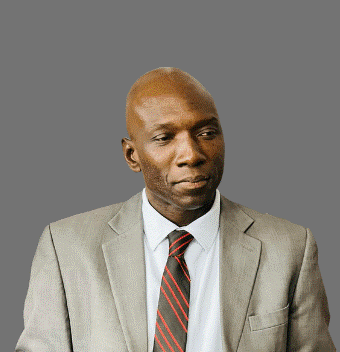
An executive member of opposition Democratic Front for All (DFA) party, Dr. Ousman Gajigo, has attributed The Gambia’s economic challenges, including the depreciation of the dalasi and rising cost of living, to structural weaknesses in the economy.
Speaking during an interview on Focus on Gambia, Mr. Gajigo, a trained economist says strengthening domestic production and increasing exports are critical to addressing the country’s economic difficulties.
He argued that the value of the dalasi should be assessed through the broader economic fundamentals influencing its performance rather than only its exchange rate.
According to Mr. Gajigo, the continued depreciation of the currency reflects persistent trade imbalances, with The Gambia importing significantly more than it exports.
He said the high demand for foreign currencies to finance imports, coupled with limited demand for the dalasi through exports, has contributed to pressure on the local currency.
“The exchange rate reflects the underlying health of the economy,” he said, adding that weak exports, limited foreign direct investment and dependence on remittances have affected the performance of the dalasi.
Production Key To Tackling Inflation
Mr. Gajigo said the weakening of the dalasi has contributed directly to inflation because of the country’s heavy reliance on imported goods.
He explained that when the dalasi loses value against major international currencies, importers spend more local currency to purchase the same goods, resulting in higher prices for consumers.
Rather than relying on price controls, he urged policymakers to address the structural causes of inflation by increasing local production.
“The solution is not simply telling retailers what prices they can charge. The solution is producing more of what we currently import,” he said.
He cited rice as an example, arguing that The Gambia has the land and climatic conditions required to produce more of its food requirements locally.
Mr. Gajigo said increased agricultural production would reduce import costs, create employment opportunities, strengthen the currency and ease inflationary pressures.
Banking Sector and Government Borrowing
On the financial sector, Mr. Gajigo said the growth in the number of commercial banks in The Gambia is partly linked to government borrowing.
He argued that some banks generate significant returns from investing in government securities, including treasury bills and bonds, instead of providing affordable financing to businesses and entrepreneurs.
As a result, he says private-sector access to credit remains limited despite the availability of several commercial banks.
He also notes that the expansion of foreign exchange bureaus reflects the demand for remittance services rather than being a direct cause of the depreciation of the dalasi.
Opposition Coalition Talks
On political developments ahead of the 2026 elections, Mr. Gajigo said opposition coalition discussions have involved different initiatives and remain uncertain.
He said DFA is assessing its options and will decide in the coming weeks whether to continue coalition engagements, align with another political party or contest the elections independently.
He acknowledged that coalition negotiations remained challenging due to differences among parties over leadership and representation.
However, he stressed that political alliances should be built around shared policy objectives rather than the distribution of government positions.
Call For Policy-Driven Politics
Mr. Gajigo urged political parties to focus their campaigns on policy proposals and solutions rather than personal attacks.
He said voters deserved clear plans on how parties intend to address challenges in key sectors such as education, agriculture, fisheries and the economy.
He announced that DFA would launch its manifesto on 8 August at Paradise Hotel, saying the document will outline the party’s policy priorities and vision for national development.
Mr. Gajigo maintains that The Gambia’s long-term economic progress depends on boosting domestic production, reducing import dependency, expanding exports and implementing sustainable economic reforms.
About The Author