
The recent certification of officials from 13 institutions in The Gambia under the EU–UNDP GREAT Project is a significant development in the country’s ongoing efforts to strengthen governance and public service delivery. The programme, which focused on Monitoring and Evaluation (M&E), brought together representatives from the justice, governance and security sectors to build practical skills in data collection, reporting, analysis and results-based management.
In many developing countries, public institutions often struggle with implementation and accountability. Policies may be introduced with good intentions, but without proper monitoring systems, it becomes difficult to measure success, identify weaknesses or improve performance. This is why effective M&E systems are essential. They help institutions make informed decisions based on evidence rather than assumptions.
The participation of institutions such as the Judiciary, Ministry of Justice, Police, Immigration and local government authorities demonstrates a growing recognition that transparency and accountability are central to good governance. Strong monitoring systems ensure that public resources are used efficiently and that citizens receive better services.
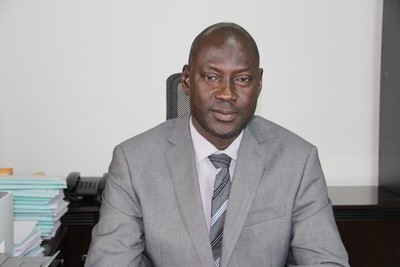
Speaking at the ceremony, EU Deputy Head of Mission Raphaël Brigandi correctly noted that many institutions collect data without effectively using it to improve outcomes. This is a challenge across many public sectors in Africa. Reports are often produced for administrative purposes but rarely influence policy decisions or institutional reforms. Monitoring and evaluation should therefore not be treated as a routine technical exercise, but as a practical tool for solving problems and improving performance.
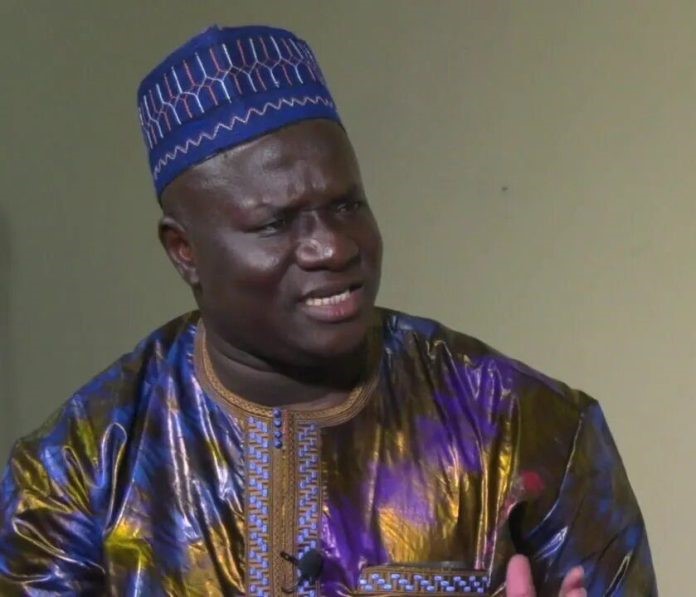
UNDP Resident Representative Sainey Ceesay also highlighted the importance of results-based governance. Citizens today expect institutions to be responsive, efficient and accountable. Governments can only meet these expectations when they have reliable systems to assess whether programmes are achieving their intended goals.
One encouraging aspect of the programme was the 43 per cent female participation rate. Women’s involvement in governance and institutional development is critical for inclusive decision-making and balanced representation in public service.
However, the success of this initiative will depend on how effectively participants apply the knowledge gained. Training alone cannot transform institutions unless governments commit resources, modernise systems and create a culture where evidence guides decision-making.
The EU–UNDP GREAT Project is therefore an important investment in institutional strengthening. If properly sustained, it could improve accountability, strengthen democratic governance and enhance public confidence in state institutions. Ultimately, effective monitoring and evaluation are not just administrative tools; they are essential foundations for national development and better service delivery for all citizens.
About the Author