By: Binta Jaiteh
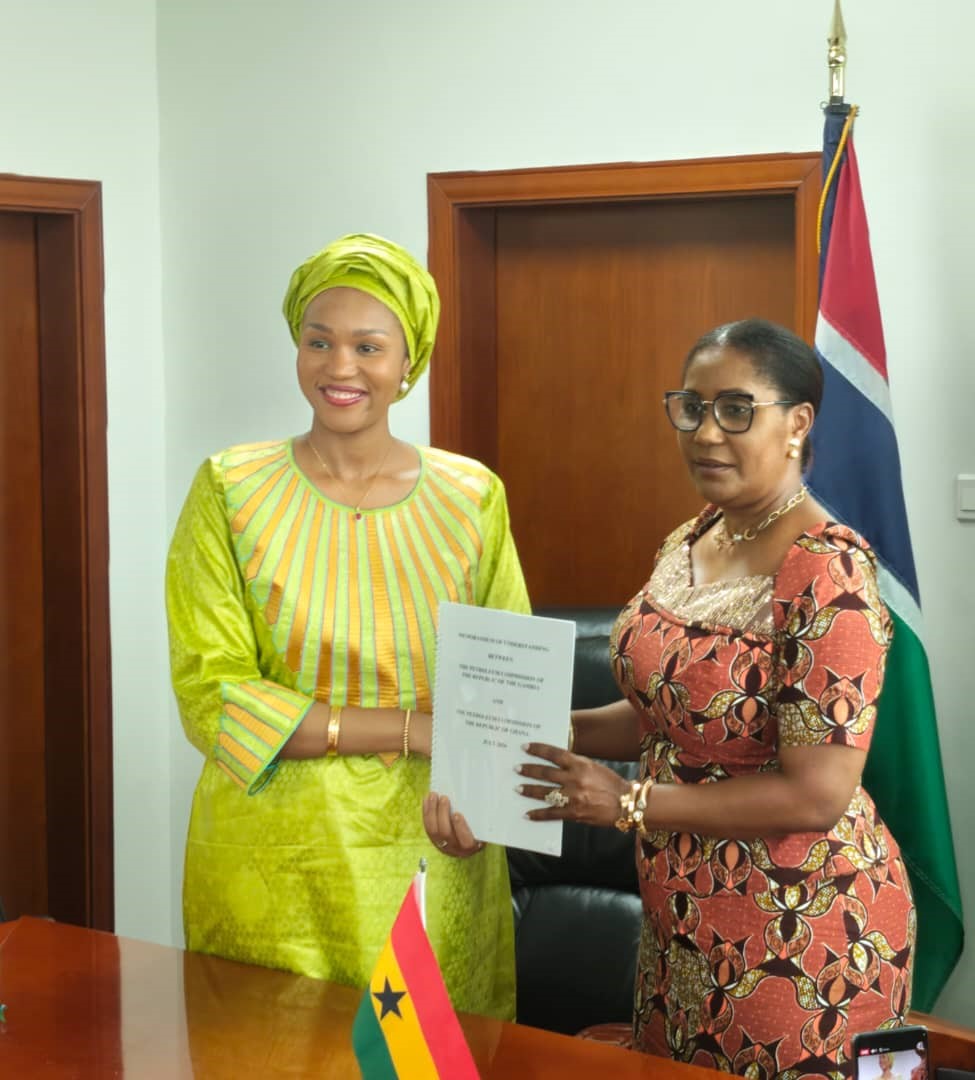
The Gambia and Ghana have signed a memorandum of understanding (MoU) aimed at strengthening cooperation and knowledge-sharing in the petroleum sector.
The agreement, signed on Friday between the Gambia Petroleum Commission and Ghana’s Petroleum Commission, is expected to deepen institutional collaboration and promote technical cooperation between the two countries in the energy sector.
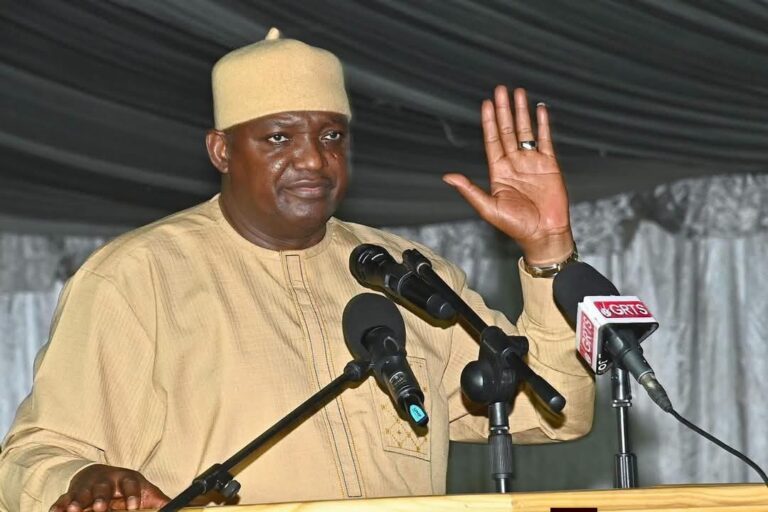
Speaking at the signing ceremony, Abdoulie Jallow, Permanent Secretary at the Ministry of Petroleum, Energy and Mines, said the partnership reflects the longstanding relationship between The Gambia and Ghana, built on shared democratic values, mutual respect and Pan-African solidarity.
“The relationship between The Gambia and Ghana is one that has been nurtured over many decades,” Jallow said, describing the agreement as “another significant chapter” in the enduring friendship between the two nations.
He said Ghana’s petroleum sector had become one of Africa’s success stories through visionary leadership, strong regulatory institutions and prudent management of resources, adding that the country’s experience provides valuable lessons for emerging petroleum producers.
According to him, The Gambia, as an emerging petroleum jurisdiction, recognizes that building strong institutions is as important as discovering petroleum resources.
“The memorandum of understanding represents much more than the signing of a document. It symbolizes our shared commitment to cooperation, institutional excellence and the belief that African countries can accelerate development by learning from one another,” he said.
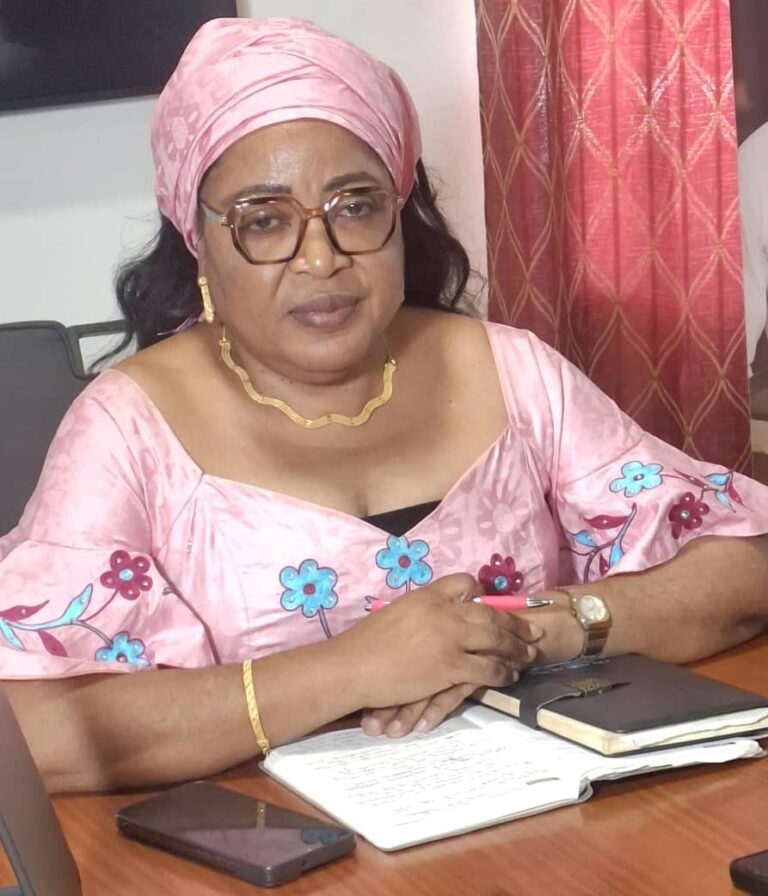
Director General of the Gambia Petroleum Commission, Cany Jobe Taal, described the agreement as an important milestone for both institutions.
She notes that although The Gambia remains at the exploration stage of its petroleum development, the country has significant geological prospects and ambitions to develop the sector responsibly.
“Petroleum resources, by themselves, do not guarantee national benefit,” Taal said, stressing that exploration success requires scientific evidence, investment, drilling and time.
Meanwhile, the Chief Executive Officer of Ghana’s Petroleum Commission, Emeafa Hardcastle, expressed Ghana’s commitment to strengthening energy relations with The Gambia.
She highlighted the historical and cultural bonds between the two countries, noting that the relationship has in recent years expanded into technical and business cooperation.
Hardcastle said the MoU would enable both institutions to build stronger technical, institutional and economic ties while addressing common challenges and exploring opportunities in the petroleum sector.
“In an increasingly interconnected world, collaboration is the key to sustainable growth,” she said, adding that the agreement would foster deeper cooperation between the two countries.
About The Author