By: Isatou Sarr
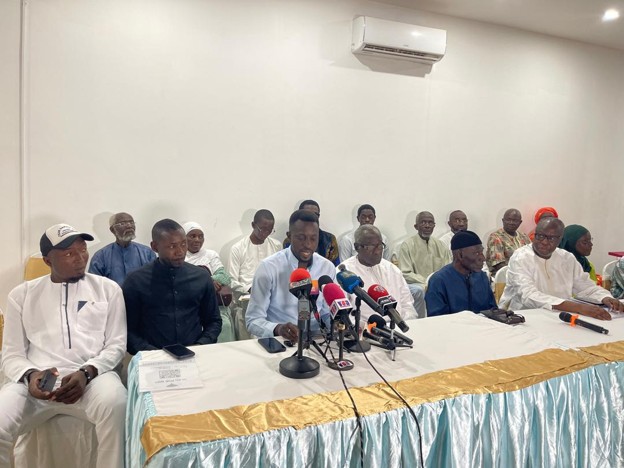
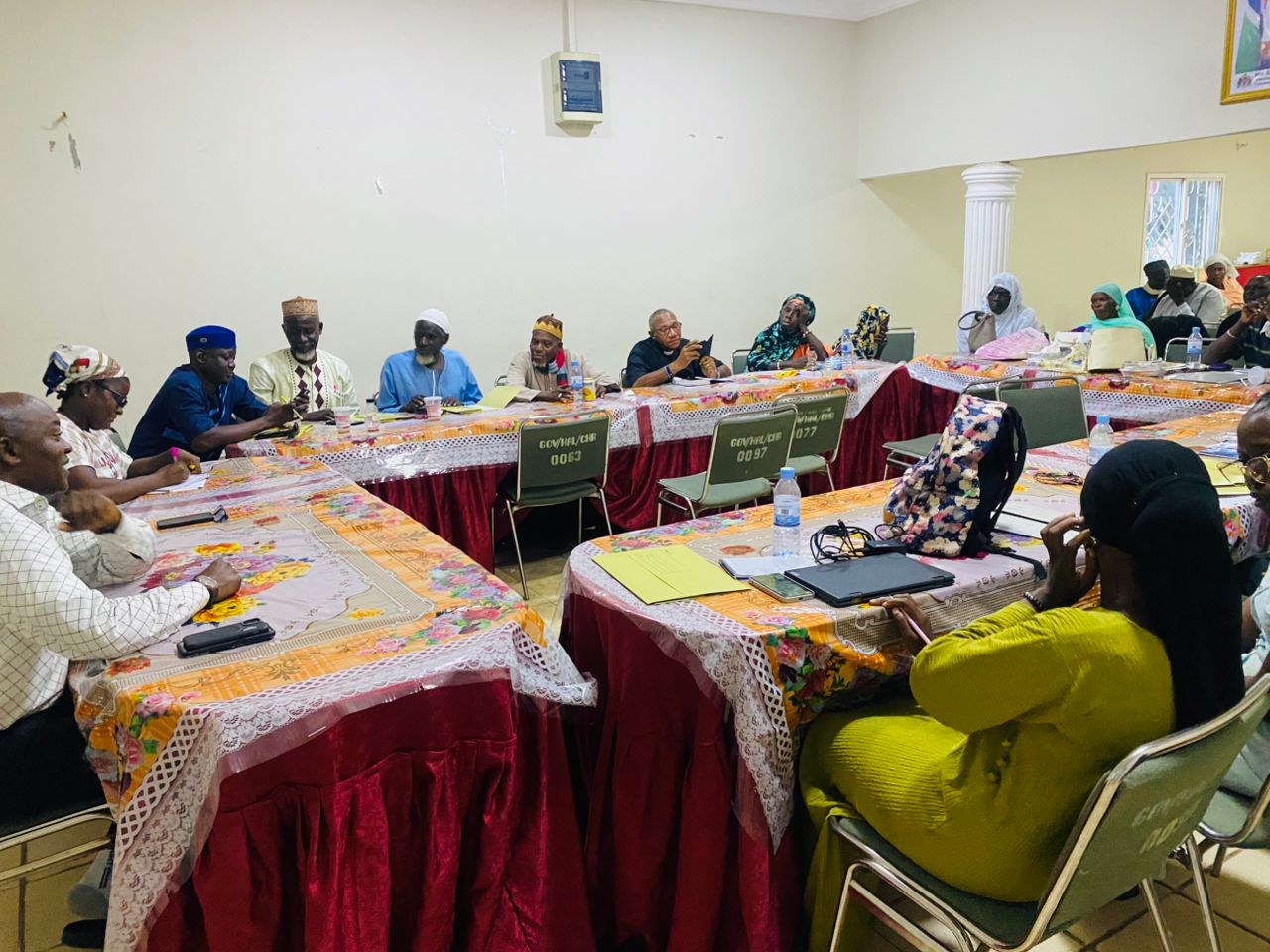
Religious leaders, women and young people in the West Coast Region have completed a three-day training on peacebuilding, dialogue and conflict prevention ahead of The Gambia’s 2026 elections.
The closing session of the training was held on Wednesday, September 2, 2026, at the Governor’s Office in the West Coast Region under the Harmony, Outreach, Peace and Engagement Project on Social Cohesion. The project is implemented by Caritas Gambia with funding support from Catholic Relief Services (CRS).
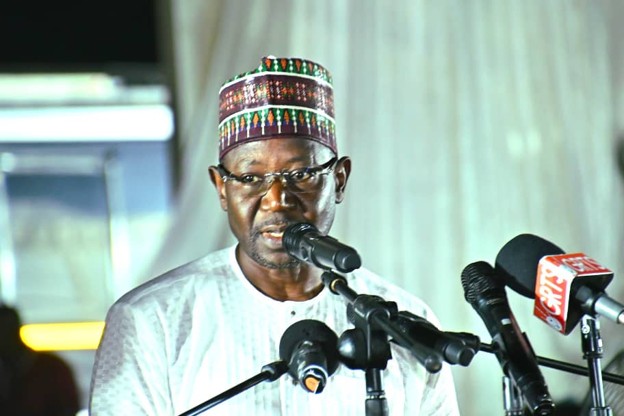
Speaking on behalf of the Country Manager of CRS The Gambia, Miss Jane Gomez said the training had strengthened participants’ understanding of mediation, dialogue and the identification of early signs of conflict.
“See the signs, start the dialogue, secure the peace,” she said.
“Over the past days, we have strengthened our understanding of mediation, enhanced our dialogue skills, and deepened our capacity to identify and respond to early signs of conflict,” adding: “These are not just theoretical concepts; they are practical tools that can help save relationships, strengthen communities, prevent violence, and protect the peace we have worked so hard to build.”
Gomez says the responsibility to promote peace becomes even greater as the country moves closer to the 2026 electoral period.
She said elections should be a celebration of democracy and not a source of division, adding that peaceful elections are not solely the responsibility of government institutions, security agencies or political leaders.
She urged participants to engage youth groups, women, religious leaders and community elders in constructive dialogue, report signs of tension early, mediate disputes fairly and resist attempts to spread hatred, violence or division.
“Together, let us be the eyes that detect conflict early, the voices that promote dialogue, and the hands that build peace. The time to act is now,” she said.
The Director of Caritas Gambia, Francis D. Mendy, said building positive relationships among people can help promote understanding despite differences in orientation, ethnicity, religion or political affiliation. “Once you build the right relationship, it helps you to have a positive view of the other person, irrespective of your orientation, irrespective of your ethnicity or religion or political affiliation,” he said.
Mendy thanked the participants for their contributions, saying that working together can contribute to building a just and peaceful society.
In his closing remarks, Deputy Governor Musa Amul Nyassi said preserving the peace enjoyed in the country is a collective responsibility. “This is our nation, and to preserve the peace that we enjoy is a collective responsibility,” he said. Nyassi urged participants to be worthy ambassadors of the institutions and communities they represent.
He said religious leaders have a role to summon people and advocate for peace, noting that although they may not be seen on platforms campaigning, they can continue to advocate for peace. He added that this does not prevent religious leaders from belonging to political parties, describing such participation as their constitutional right.
About The Author