
By Kemo Kanyi
Three leading human rights groups Monday launched an advocacy framework aimed at strengthening the protection of women’s rights across the African continent.
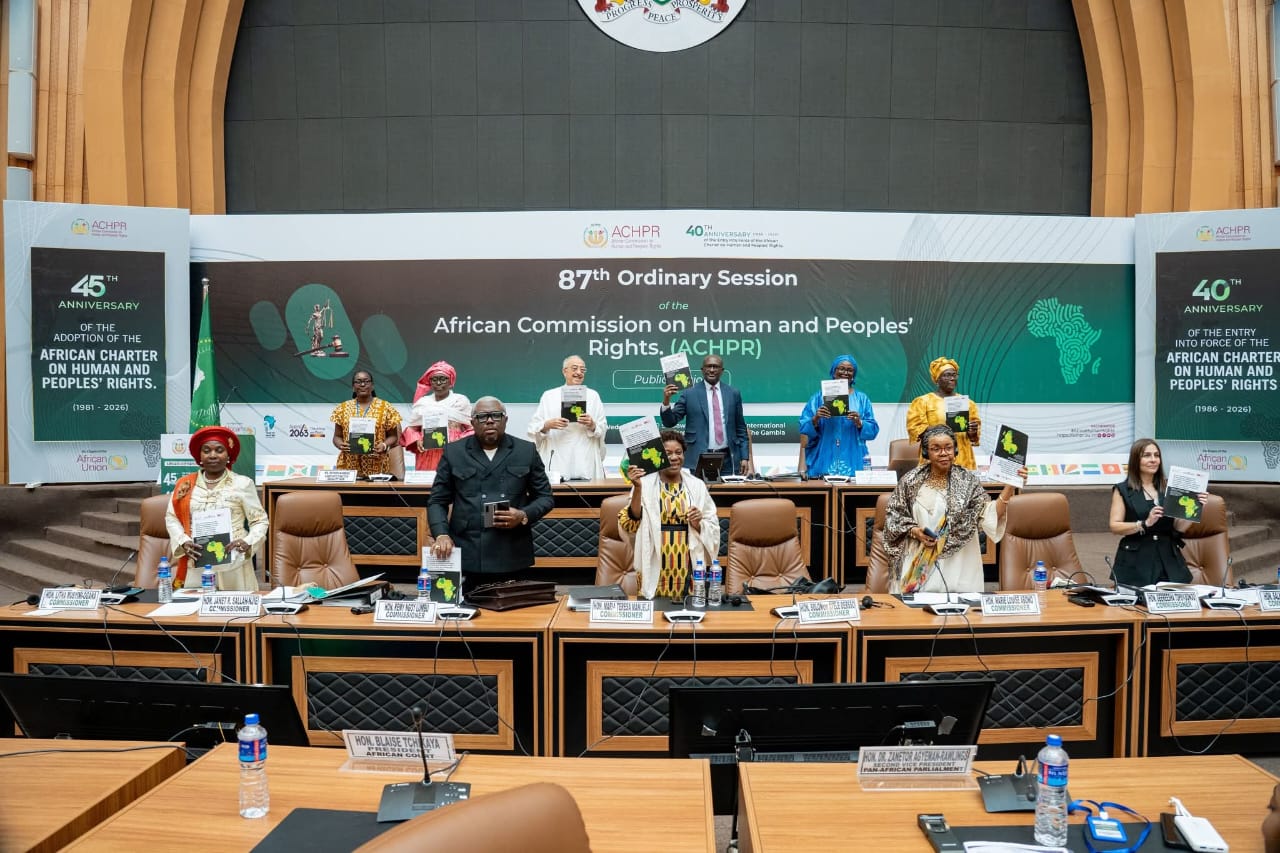
The African Commission on Human and Peoples’ Rights (ACHPR), Equality Now, and Solidarity for African Women’s Rights (SOAWR) launched the framework.
The event took place on the sidelines of the ongoing human rights meeting in Banjul and brought together the three organisations to advance implementation of the Maputo Protocol.
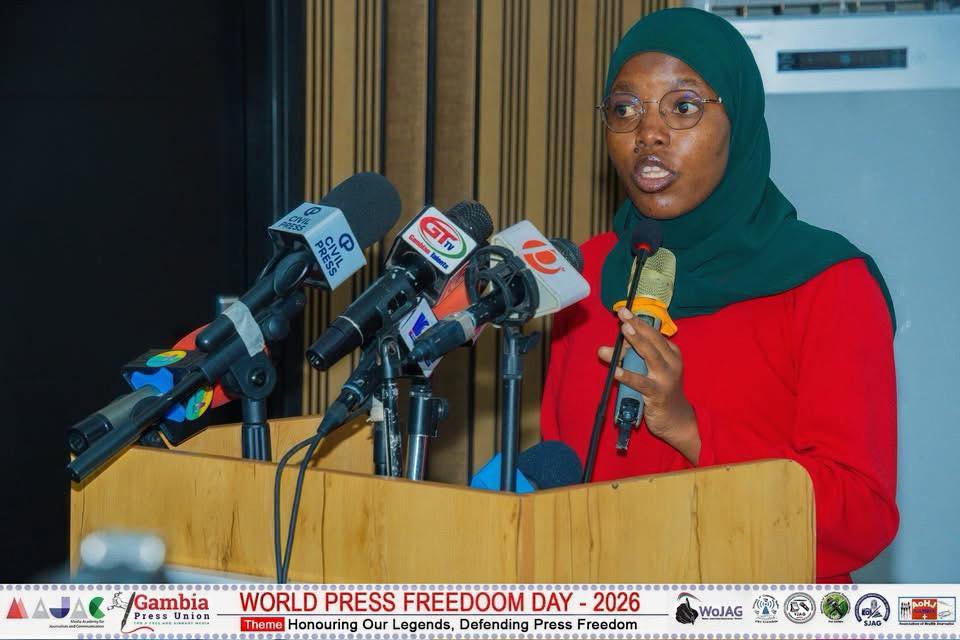
Commissioner Janet Ramatoulie Sallah-Njie, the Special Rapporteur on the Rights of Women in Africa, says the initiative is the result of sustained collaboration, expert engagement, and a shared commitment to ensuring that African women and girls benefit fully from the continent’s most progressive women’s rights instrument.
She noted that 46 out of 55 African Union member states ratified the Maputo Protocol, a legally binding treaty guaranteeing comprehensive protections for women, including reproductive health rights, equality in marriage, protection from violence, and safeguards against harmful practices such as female genital mutilation. The protocol also covers economic, political, and social rights, and obliges states to eliminate discrimination against women and girls.
However, she expressed concern that nine states have entered reservations on provisions relating to marriage, divorce, inheritance, affirmative action, and Article 14 on sexual and reproductive health, including access to medical abortion under specific circumstances.
She warned that such reservations have serious consequences for women and girls, particularly in cases of rape and incest, where restricted access to safe medical procedures often exposes them to unsafe abortions.
“When certain African countries maintain reservations against medical abortion, women and girls who become pregnant through rape or incest are forced into dangerous, unsafe procedures,” she said, adding that unsafe abortion remains a leading cause of maternal mortality in Africa. “Those deaths are not inevitable. They are enabled, State by State, reservation by reservation.”
Esther Waweru, Associate Director at Equality Now, said only three African countries have withdrawn reservations to fully implement the treaty, naming The Gambia, Mauritius, and Rwanda.
She noted that The Gambia’s withdrawal of reservations was led by the Office of the Vice President in collaboration with Equality Now, the African Centre for Democracy and Human Rights Studies, and community actors.
Waweru urged state parties to use the new advocacy framework to conduct legal reviews and identify provisions where reservations conflict with national constitutional progress, calling for their withdrawal.
She also encouraged legislators to challenge the perception that women’s rights protections are foreign or optional, stressing that they are African rights for African women.
She further called on the Commission to strengthen accountability by ensuring states are monitored through periodic reporting with clear timelines for withdrawal of reservations.
Other speakers, including Commissioner Lawrence Mute (former ACHPR Commissioner and expert), Ms Melany Nagen, Deputy Chairperson of the Human Rights Division at the National Human Rights Commission, and Ms Hannah Forster, Executive Director of the African Centre for Democracy and Human Rights Studies, underscored the importance of full implementation of the Maputo Protocol.