
By Haddy Touray
Press freedom in The Gambia has improved significantly since the end of authoritarian rule in 2017, but there are emerging signs of regression since 2022, according to media analysis by Gambian journalist Bakary Ceesay.
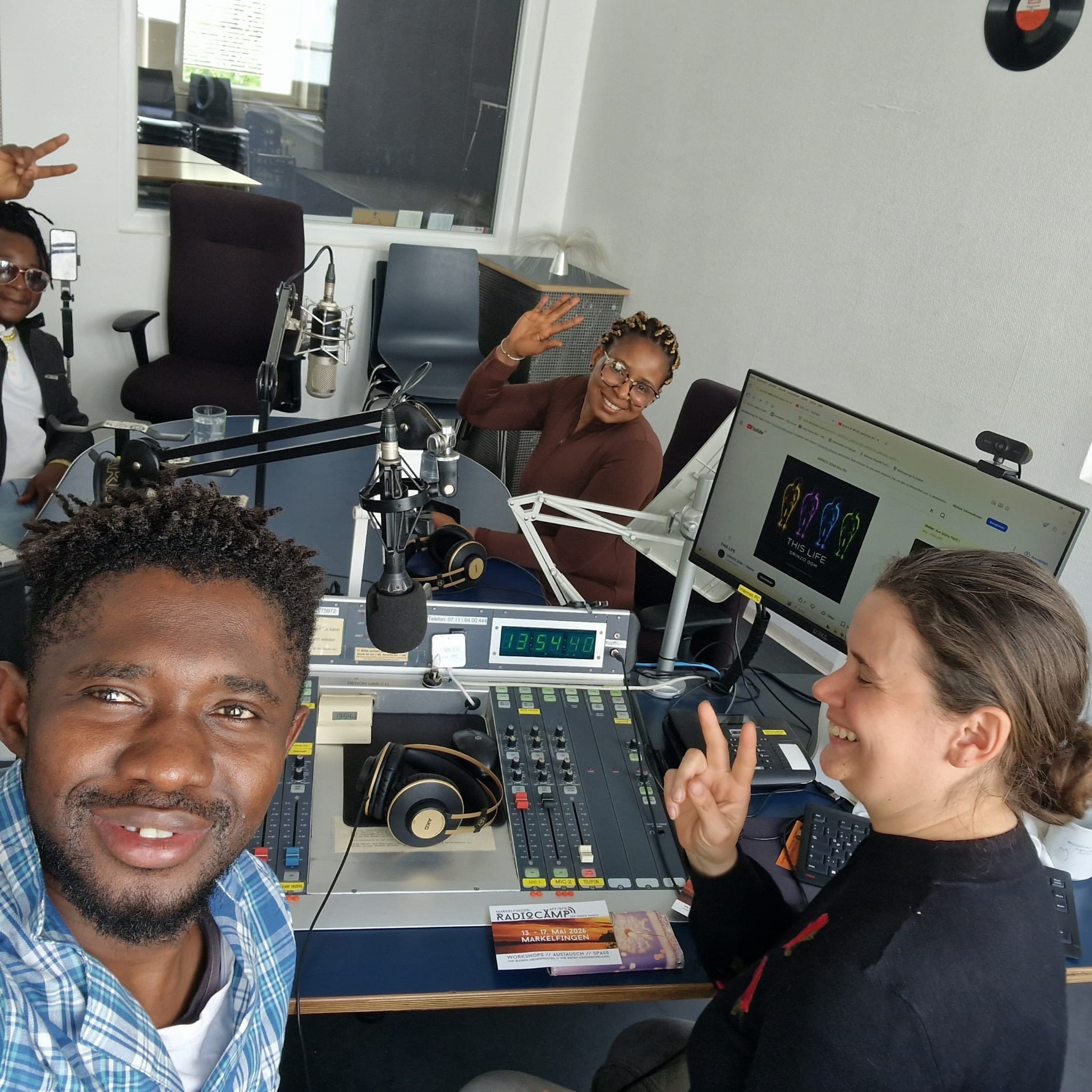
Speaking from Germany on World Press Freedom Day, marked annually on 3 May, Ceesay described the country’s media landscape as a “two steps forward, one step backward” trajectory, noting both substantial progress and growing challenges.
He recalled that under former president Yahya Jammeh (1994–2017), press freedom was severely restricted, with journalists facing arrests, intimidation, exile and, in some cases, death. He cited the 2004 killing of newspaper editor Deyda Hydara and harsh laws that criminalised defamation, exposing journalists to long prison sentences.
According to him, the Gambia ranked 145th out of 180 countries in the 2016 Reporters Without Borders (RSF) press freedom index, reflecting what was described as a “very serious situation”.
Ceesay noted that between 2017 and 2021, the country recorded major improvements, including a 2018 Supreme Court ruling that declared criminal defamation unconstitutional, alongside the emergence of new media outlets and expanded training opportunities for journalists.
He added that The Gambia’s ranking improved to 85th position in 2021, indicating a less restrictive environment for media practice.
However, the analyst pointed to recent developments suggesting a decline. He cited the September 2024 arrest of journalists from The Voice newspaper over a report concerning President Adama Barrow’s alleged exit plans, noting that they were charged with “false publication and broadcasting”.
He warned that such legal provisions, along with sedition and false news laws still on the statute books, could be used to restrict press freedom despite earlier judicial reforms.
Ceesay also highlighted economic challenges facing media houses, including low pay, limited training and financial dependence on political advertising, which he said undermines editorial independence.
In addition, he cautioned that the spread of misinformation, particularly on social media, could be used by authorities as justification for tighter controls on the press.
The Gambia’s ranking in the RSF index dropped to 92nd in 2025, down from its 2021 peak, which Ceesay described as a warning sign rather than a full reversal of gains.
He concluded that while the current environment remains far more open than during the Jammeh era, there is a need for sustained reforms, including repealing restrictive laws, strengthening media financing and ensuring legal protections for journalists.
“Press freedom has improved, but it is not yet secure,” he said, urging vigilance from both authorities and the public ahead of future elections.
About the Author