
By Yunus S Saliu
The African Media and Malaria Research Network (AMMREN) on Saturday called for renewed commitment, stronger partnerships and sustained action to eliminate malaria, as the world marked World Malaria Day 2026.
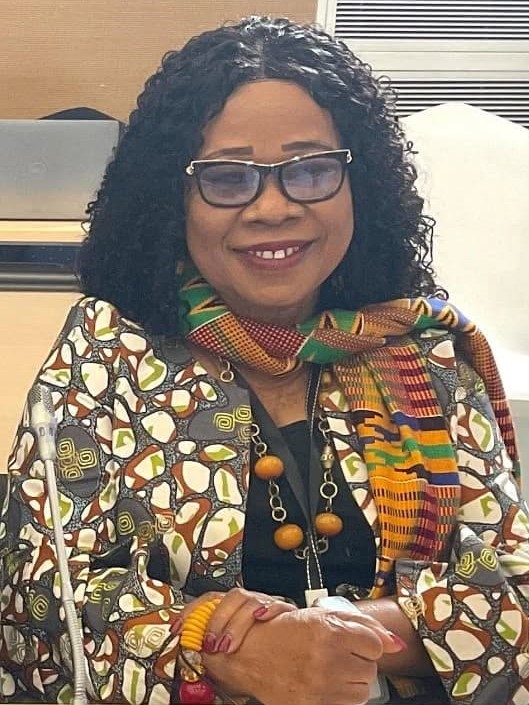
In a statement issued by its secretariat, AMMREN Executive Secretary Charity Binka said malaria remains one of the leading public health challenges in Africa, affecting millions of people annually.
She said the disease continues to disproportionately affect children under five, pregnant women, low-income households and communities with limited access to healthcare services.
“Beyond its toll on health, malaria also affects school attendance, worker productivity, household incomes and national development,” she said.
Binka said malaria elimination was achievable if governments, development partners, civil society, the media, researchers, health professionals and communities worked together with urgency and shared responsibility.
She described this year’s theme, “Driven to End Malaria: Now We Can, Now We Must,” as a call for African governments to intensify efforts and translate commitments into measurable results.
According to her, existing tools, knowledge and interventions needed to eliminate malaria were already available, but required greater urgency, sustained leadership and increased investment for effective implementation.
She also highlighted the importance of domestic resource mobilisation, strategic coordination and behavioural change to encourage communities to adopt and consistently use malaria prevention tools.
Binka further said free primary healthcare initiatives present an opportunity to expand access to malaria prevention, diagnosis and treatment, particularly in rural and hard-to-reach areas.
“If effectively implemented, such policies can reduce delays in care-seeking, lower malaria-related illness and deaths, reduce out-of-pocket costs for families, and move Africa closer to its elimination targets,” she said.
AMMREN called for increased domestic investment in malaria control and elimination, and for the continuous availability of insecticide-treated nets, rapid diagnostic tests and quality-assured antimalarial medicines at all levels of care.
The network also urged governments and partners to strengthen the training and support of community health workers to deliver prevention, testing, referral and treatment services, especially in remote areas.
It stressed the need for sustained public education and behaviour change campaigns to promote the use of mosquito nets, environmental sanitation, elimination of mosquito breeding sites, early care-seeking and adherence to treatment.
AMMREN also underscored the role of journalists, researchers and advocates in combating misinformation, raising awareness and keeping malaria elimination on national agendas.
“Malaria is preventable, treatable and eliminable. Now we can. Now we must. Together, we can eliminate malaria from Africa for good,” Binka said.
About the Author