
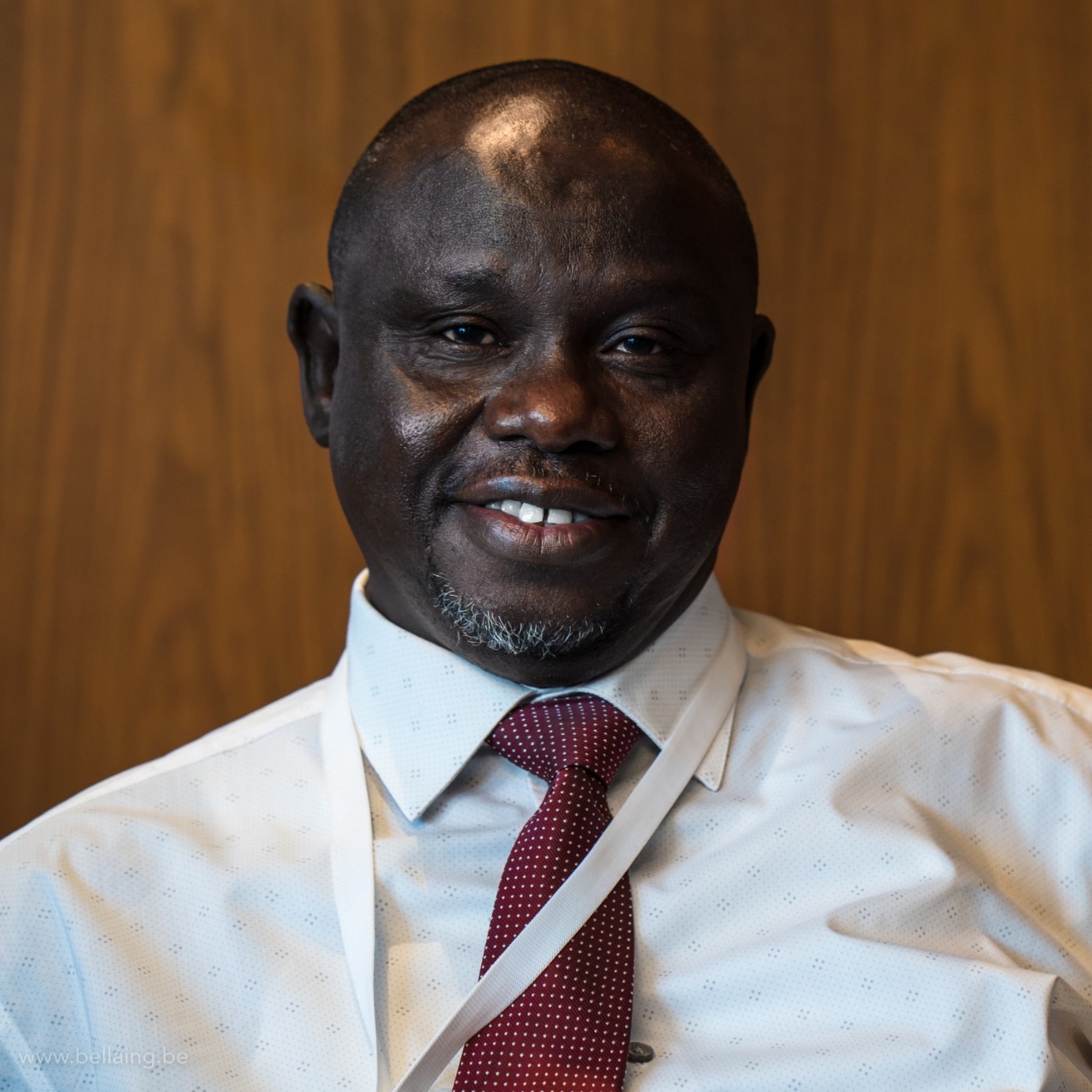
By Pa Louis Thomasi
Journalist Pa Louis Thomasi has argued that proposed regulations on the registration and licensing of journalists in The Gambia could undermine press freedom and access to information in the country, particularly in a democratic context.
The debate follows the introduction of the Broadcasting and Online Content Licensing, Registration and Authorisation Guidelines, 2026, and the Journalists Registration Guidelines, 2026, proposed by the Ministry of Information, Media and Broadcasting Services.
According to Thomasi, the measures, if implemented, would amount to state control over who is allowed to practise journalism, a development he considers inconsistent with democratic principles and international standards on freedom of expression.
He contends that journalism has historically played a central role in democratic struggles and governance accountability. Citing early African nationalist movements, he recalls the role of newspapers such as Dr. Nnamdi Azikiwe’s West Africa Pilot, Kwame Nkrumah’s Accra Evening News, and Edward Francis Small’s publications, which he says contributed to anti-colonial mobilisation and political awareness.
Thomasi argues that attempts to regulate journalists through mandatory state licensing risk restricting the profession and weakening its watchdog function. He maintains that in democratic societies, the press serves as a “Fourth Estate,” responsible for informing the public, promoting accountability, and enabling citizens to make informed decisions, especially during election periods.
He further asserts that mandatory licensing and registration frameworks could be subject to political misuse, potentially allowing authorities to determine who can operate as a journalist. This, he warns, may lead to discrimination in access to information and create unequal conditions among media practitioners and outlets.
The journalist references international legal perspectives, including a ruling by the Inter-American Court of Human Rights, which held that mandatory licensing of journalists violates both the right to freedom of expression and the public’s right to receive information.
He also cites the Declaration of Principles on Freedom of Expression and Access to Information in Africa, adopted in Banjul in November 2019 under the African Commission on Human and Peoples’ Rights. Principle 16(1) of the declaration encourages media self-regulation that is impartial, efficient, and supportive of professional standards.
In this regard, Thomasi highlights the role of the Gambia Press Union (GPU) and its media council initiatives, which he describes as a form of self-regulation better suited to maintaining professional ethics without state interference.
While acknowledging the need for accountability within the media sector, he argues that self-regulation remains the most appropriate mechanism in democratic societies, as opposed to state-controlled licensing systems.
He calls on the government to reconsider and withdraw what he describes as restrictive regulatory proposals, urging instead the creation of an enabling environment that supports press freedom, protects journalists, and guarantees the public’s right to information.
Thomasi concludes that an independent media remains essential to democratic governance, emphasizing its role in exposing corruption, reporting human rights issues, and informing citizens without fear of censorship or political control.
About the Author