

By Kemo Kanyi
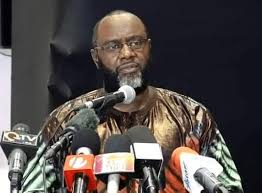
Kebba Lamin Nanko, Director of Policy and Implementation of the People’s Progressive Party (PPP), has called on the Independent Electoral Commission (IEC) to strengthen its oversight of The Gambia’s political space to ensure fairness and uphold democratic integrity.
In an interview with The Voice on Tuesday, Mr. Nanko expressed concern over what he described as an increasing trend of unregistered movements presenting themselves as political parties and engaging in political activities without meeting the legal requirements governing political participation.
He noted that the IEC, as a constitutional body, is mandated to regulate and supervise political activities, including the registration of political parties in line with established legal standards.
According to him, this process is essential to ensuring accountability, transparency and fairness in a democratic system.
Mr. Nanko said it was “troubling” that some unregistered groups are being allowed to operate in a manner similar to duly registered political parties.
“I call on the Independent Electoral Commission, as well as all relevant stakeholders, to urgently review this matter. This is not about selective enforcement, but about the consistent application of the law to preserve fairness, order and institutional credibility,” he said.
He stressed that any corrective measures should ensure that all political actors operate within the legal framework and that no group gains advantage by bypassing established rules.
Mr. Nanko further observed that several emerging groups are increasingly performing functions typical of political parties, such as opening offices, appointing youth and women’s coordinators, organising rallies, displaying symbols and mobilizing supporters.
He added that some of these groups also raise funds and make political promises to the public despite not being registered with the IEC.
“This raises serious concerns about fairness and accountability,” he said, noting that registered political parties are required to comply with strict legal procedures, including documentation, disclosure of membership structures and adherence to the Inter-Party Committee Code of Conduct.
He argued that such obligations are mandatory and form the basis of lawful political participation, making it unfair for unregistered groups to enjoy similar privileges without meeting the same requirements.
About the Author