

By Momodou Bah
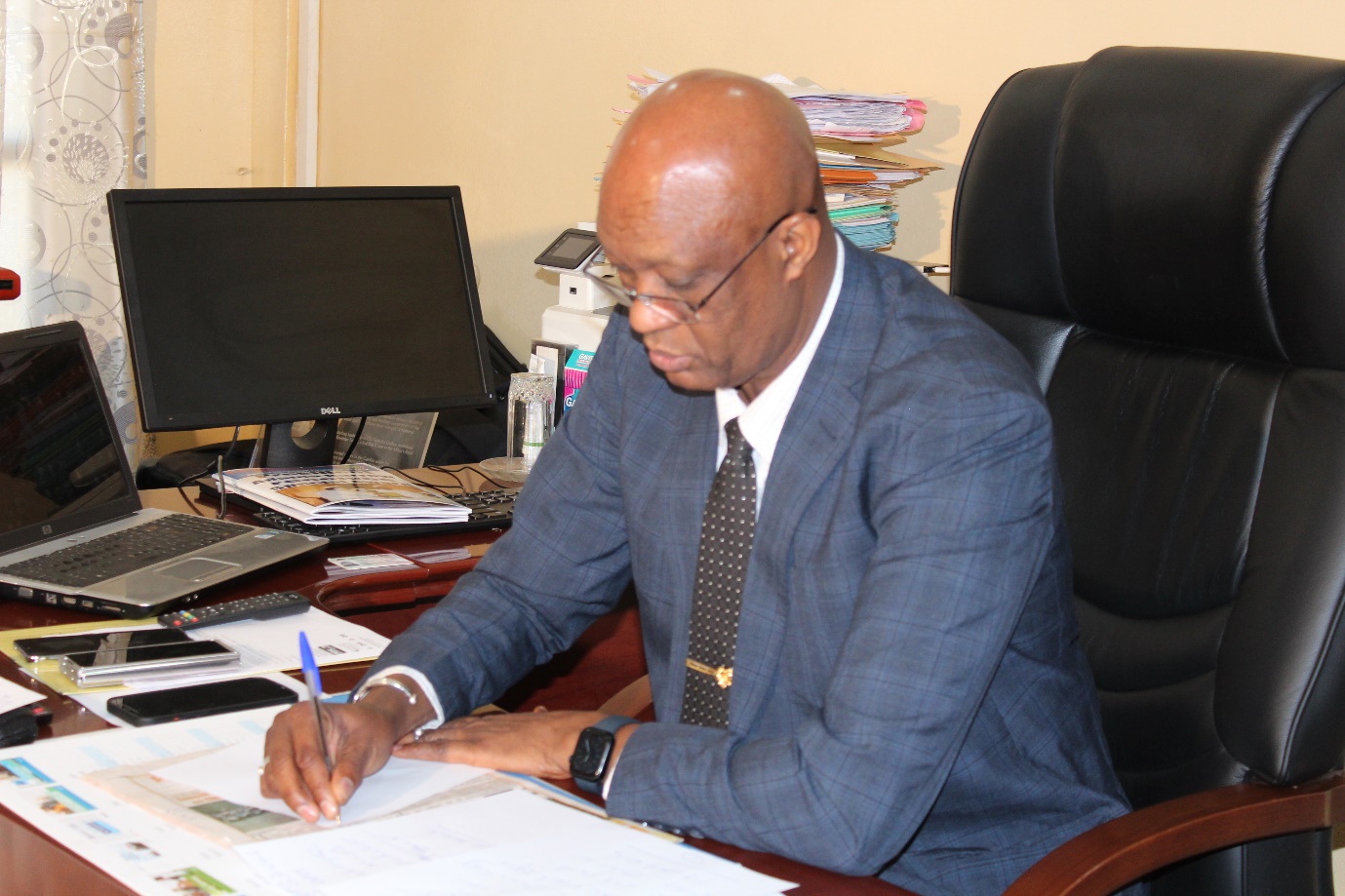
The Gambian dalasi continues to lose value, largely due to internal economic factors linked to the country’s heavy reliance on imports, according to Dr. Ousman Gajigo, a Gambian development economist and public finance expert.
In an exclusive interview with this medium on Tuesday, Dr. Gajigo said The Gambia’s export rate remains low, with annual exports valued at approximately $300 million compared to imports estimated in the billions of dollars. This has resulted in a trade deficit approaching $7 billion, the highest since independence.
“The country produces very little locally, from consumer goods to major capital items, all of which are imported. This negatively impacts the exchange rate,” Dr. Gajigo said. “The more you import, the lower the value of the currency; conversely, higher exports strengthen it.”
He noted that low foreign investment inflows also contribute to the dalasi’s depreciation. While foreign exchange bureaus provide essential services not offered by commercial banks, Dr. Gajigo emphasized that they do not drive the currency’s decline. “Exchange rates are determined by supply and demand for foreign currency,” he said, adding that foreign bureaus often reflect the dalasi’s true market value more accurately than the Central Bank.
Dr. Gajigo stressed that reducing import dependence is possible. “Rice is the country’s second largest import, yet 90 percent of consumption comes from abroad. The agricultural sector has the potential to feed the nation,” he said, noting that policy implementation, rather than formulation, remains the main challenge.
He identified electricity imports from Senegal as the largest contributor to the trade deficit. “Buying electricity from Senegal elevates the value of the CFA relative to the dalasi, increasing the trade deficit in energy. Expanding distribution without generating electricity locally will further weaken the dalasi,” he warned.
According to Dr. Gajigo, the country’s foreign currency reserves are critical for stabilizing the dalasi. He also highlighted that remittances play a major role in supporting the currency. “Without remittances, the dalasi would have depreciated even further,” he said, adding that most remittances are used for consumption rather than investment.
High government borrowing, electricity shortages, limited access to local finance, and the absence of a capital market further deter investors, Dr. Gajigo noted. Over the past five to six years, the dalasi has lost about 50 percent of its value, a trend attributed to low exports, insufficient job creation, and weak investor confidence.
“The weakness of the dalasi is a fact,” he concluded. “The data confirm it, and the reality is evident on the ground.”