

By Binta Jaiteh
The United Nations Development Programme (UNDP), with funding from the Government of Japan under the Japan Supplementary Budget (JSB), is implementing a project aimed at strengthening the participation of youth and women in peacebuilding initiatives in The Gambia.
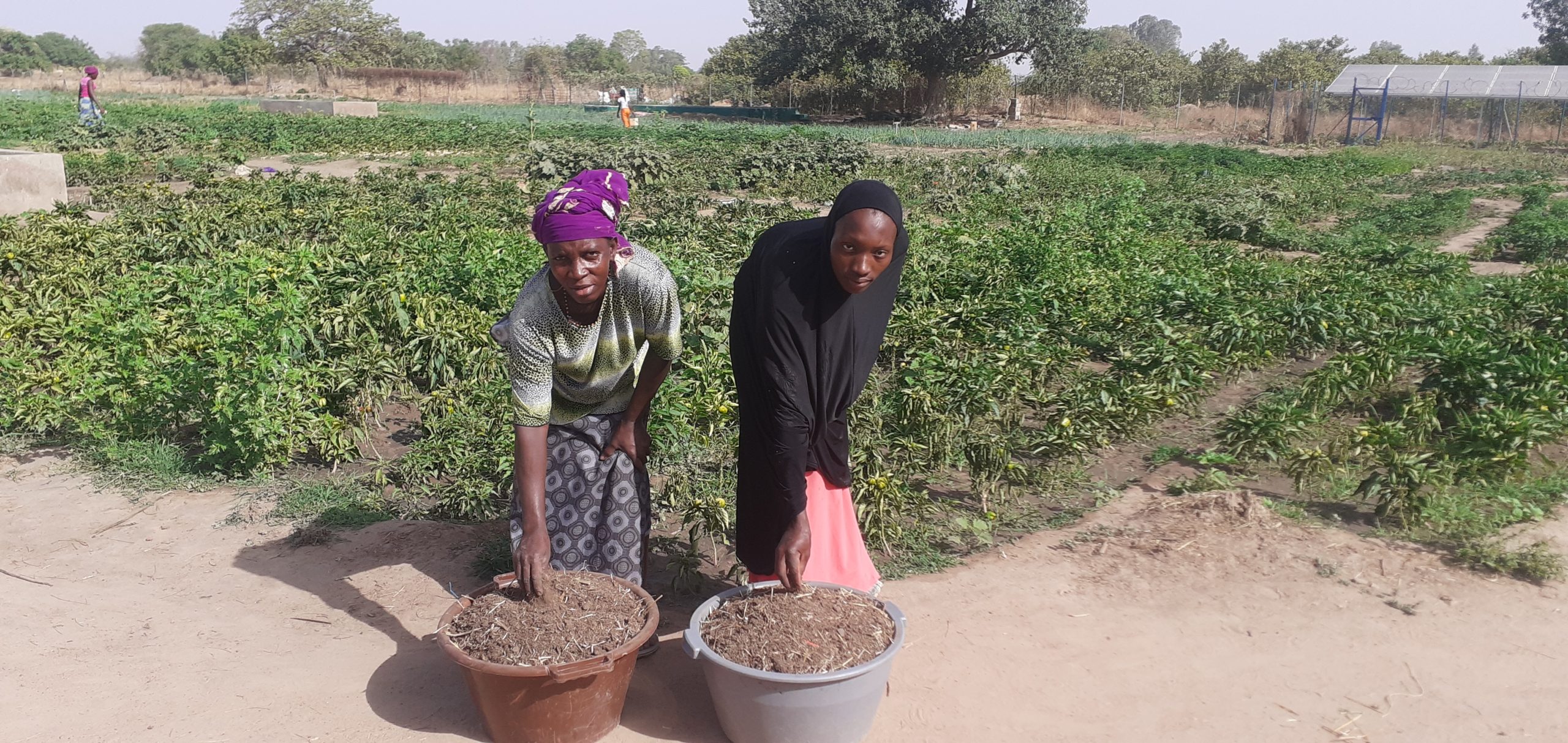
The JSB 2024 project seeks to enhance the livelihoods of young people and women through agriculture and entrepreneurship, while also reducing their vulnerability to drug abuse and other harmful coping mechanisms.
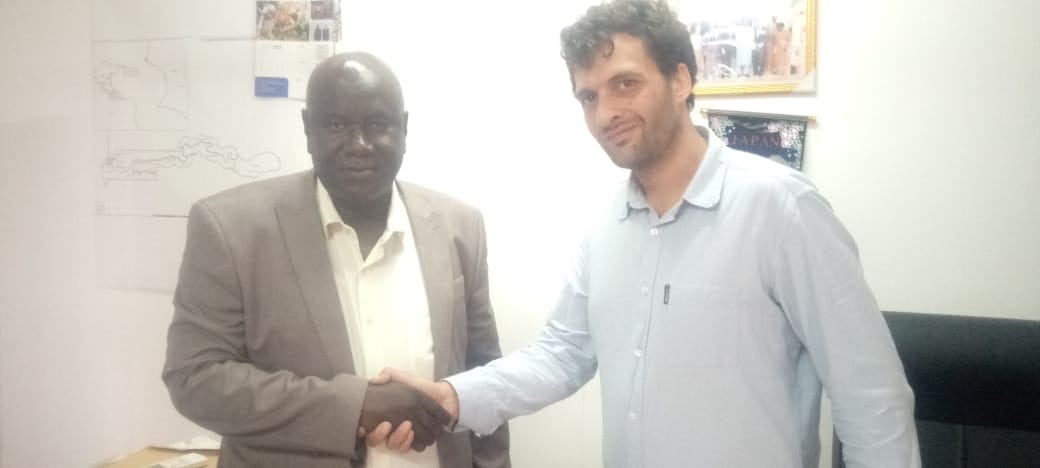
Speaking to journalists on Thursday at a local hotel, Samba B. Jallow, Team Leader for Inclusive Growth at the UNDP Country Office, described the initiative as critical to empowering youth and women and promoting sustainable peace.
He emphasised the importance of community involvement, noting that active participation at the grassroots level is essential to ensure the sustainability of such interventions.
“We have young people from Japan who are here as part of a meaningful project titled ‘Promoting Sustainable and Inclusive Peace in The Gambia through Holistic Empowerment of Women and Youth’. The focus is not only on promoting peace, but sustainable peace,” he said.
Mr. Jallow added that the project reflects Japan’s commitment to global development, particularly in Africa, through allocating resources to support community development initiatives.
He reiterated UNDP’s commitment to supporting development efforts in The Gambia, highlighting that the project is structured around three key components, including peacebuilding and agriculture.
According to him, the peacebuilding component is based on findings from a comprehensive conflict and development analysis conducted in the country to identify key drivers of conflict and propose appropriate solutions.
“Peace is the bedrock of development. Without peace, development cannot be achieved,” he stressed.
He explained that the project adopts a three-pronged approach, including the operationalisation of the Youth and Peace Action Plan and the promotion of economic empowerment as a means of sustaining peace.
Mr. Jallow noted that economic challenges remain a major driver of conflict, as many young people lack sustainable livelihoods.
“The project therefore places strong emphasis on job creation and livelihood opportunities, particularly for youth and women,” he said.
He further pointed out that about 70 percent of The Gambia’s population is made up of young people, many of whom are not engaged in productive sectors of the economy.
Mr. Jallow commended the Japanese delegation for their visit and expressed hope that the initiative would significantly enhance the inclusion of women and youth in economic activities.
The JSB 2024 project represents a strategic investment in youth and women as key drivers of peace and development in The Gambia. By linking economic empowerment with peacebuilding, the initiative aims to foster resilience, strengthen social cohesion, and promote inclusive growth across communities.
Through effective implementation and strong partnerships, the project is expected to contribute to building a more peaceful and prosperous future for the country.