
By: Fatou Krubally
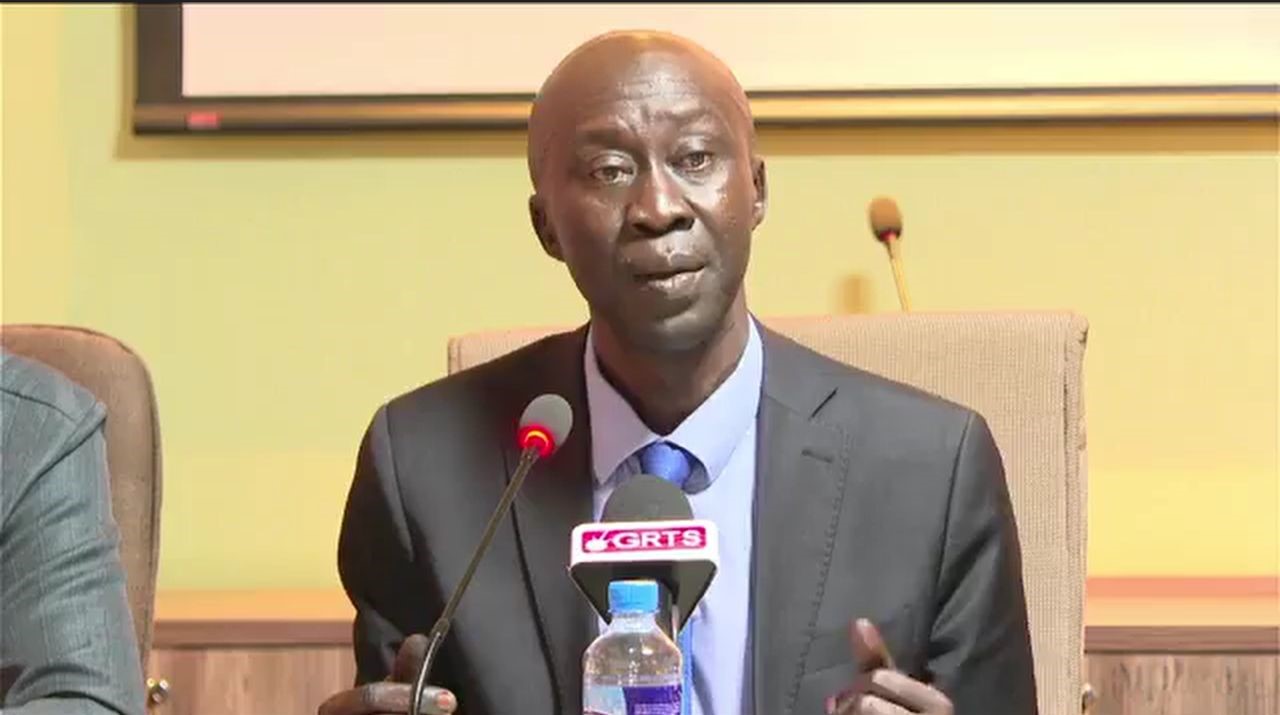
Managing Director of The Gambia Ports Authority (GPA), Ousman Jobarteh has warned that rapid sediment build-up at the Port of Banjul is increasing dredging costs and posing operational challenges that could affect the country’s main trade gateway.
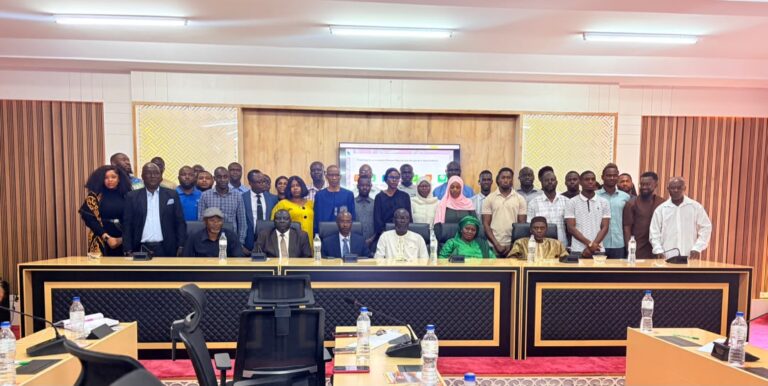
Appearing before the National Assembly’s Public Finance Committee (PEC) during an oversight session on Wednesday, the GPA chief said sedimentation in the port’s access channel and alongside berths has accelerated significantly, forcing more frequent dredging operations.
He told lawmakers that while dredging was previously carried out once every two years, sediment now returns within six months, reducing navigable depth and requiring repeated intervention.
According to him, the Port of Banjul’s location as a river port makes it naturally vulnerable to silt deposits carried by tidal movements. Sand pushed in during high tide settles along the channel as water recedes, gradually limiting vessel access.
The MD stressed that maintaining adequate draft levels has become increasingly important as global shipping lines deploy larger vessels aimed at reducing freight costs. He noted that some importers, particularly bulk cargo operators such as cement dealers, are sourcing goods from more distant markets and transporting them in larger volumes, increasing demand for deeper channels.
He said the authority is working to deepen the channel to accommodate larger vessels and maintain cost-effective port services.
Under existing arrangements, government is responsible for dredging the main access channel between buoys two and three off Cape Point, while jetty areas fall under the concessionaire, Alport. However, the GPA has intervened to support dredging works using its own equipment to avoid operational delays, with reimbursement expected.
Members of the committee also raised environmental concerns, including whether shoreline activities such as sand mining, embankments and marine structures may be contributing to accelerated sedimentation. The GPA MD acknowledged the possibility but said scientific studies are required before conclusions can be drawn.
He added that hydrographic and geotechnical surveys are expected to be commissioned to determine the rate and causes of silt deposits.
Officials emphasised that maintaining safe navigation depths at the Port of Banjul, which handles the majority of the country’s imports and exports, remains critical to ensuring trade efficiency and avoiding higher costs for businesses and consumers.
About the Author