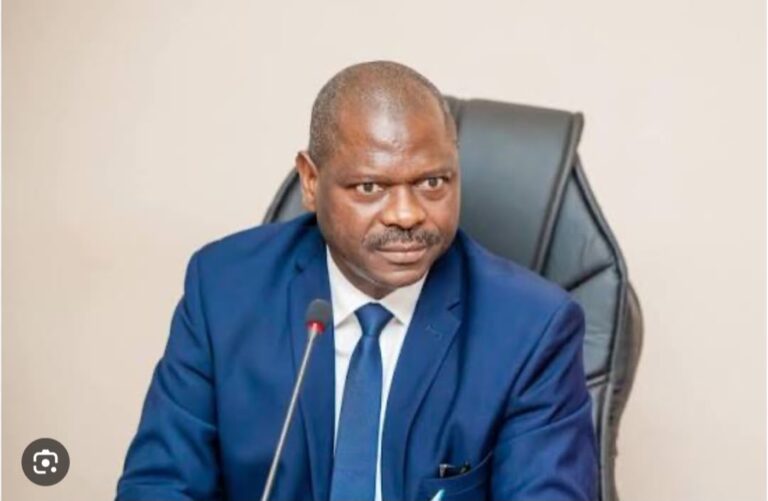


By Kemo Kanyi
Opposition politician Essa Mbaye Faal has criticized the government for what he described as the “reckless privatization of national assets,” warning that such actions are depriving the country of control over key income-generating institutions.
Faal, leader of the APP-Sobeyaa Party, said many Gambians view the current administration as a continuation of hardship, uncertainty and unfulfilled promises, adding that the situation reflects a leadership that has “lost its moral compass.”
Reflecting on 2025, he alleged that the past year had been marked by growing corruption and governance failures, while senior government officials lived lavishly as ordinary citizens struggled with a rising cost of living, stagnant wages, insecurity and political disappointment. He also lamented the continued loss of young Gambians to irregular migration routes.
“The economic reality facing Gambians is harsh and unforgiving,” Faal said, accusing the authorities of selling off strategic national assets to the highest bidders in deals that benefit a few at the expense of the majority.
He cited the privatization of assets such as the Senegambia Bridge, the Banjul Port and Gamtel/Gamcel, arguing that these transactions undermined national sovereignty and deprived the state of control over critical infrastructure.
According to the opposition leader, the issue goes beyond economics, insisting that the sale of public assets amounts to the liquidation of the country’s sovereignty. He adds that the situation is worsened by a cost-of-living crisis that has made basic necessities unaffordable for many families.
Faal further claims that the construction sector has been paralyzed by unfavourable policies, with housing projects stalled as prices continue to rise unchecked. He also accused the government of systematically weakening institutions meant to safeguard public interest.
He cited the removal of the Auditor General as an example, describing it as a deliberate attempt to undermine accountability rather than an administrative decision.
“When those entrusted with protecting public resources are removed, transparency disappears from the corridors of power,” Faal remarked.
He also criticized fishing agreements entered into by the government, which he described as disastrous, arguing that they have disadvantaged local fishermen while foreign trawlers exploit Gambian waters, contributing to youth unemployment and irregular migration.
About the Author