

By Haddy Touray
Partner organizations under the Ministry of Agriculture, over the weekend, reviewed the Gambia’s Peste des Petits Ruminants (PPR) Control and Eradication Strategy Plan 2017-2027.
The validation workshop, hosted by the DLS and funded by the African Union Inter-African Bureau for Animal Resources (AU-IBAR), aimed to strengthen national efforts against PPR, a highly contagious viral disease that severely affects sheep and goats, threatening the livelihoods, nutrition, and income of smallholder farmers—particularly women—across the country.
The existing National Strategy Plan (2017-2027) and the Five-Year Action Plan (2017-2022) laid the foundation for PPR control in Gambia. However, evolving epidemiological patterns, renewed regional commitments—such as the AU-IBAR Pan-African PPR Program—and the FAO/WOAH Global Eradication Strategy targeting 2030 necessitate a comprehensive revision. The validation seeks to address implementation gaps, align with new initiatives like the EU-funded Pan-African PPR Eradication Program, mobilize resources, and develop a robust monitoring framework.
In her remarks at the event held at Baobab Resort Hotel, Madam Mbayan Njie, representing the Minister of Agriculture, commended the DLS for hosting the workshop and praised AU-IBAR for its unwavering technical and financial support. She emphasized that the gathering reflects a shared continental commitment to eradicating PPR.
“The validation is strategically positioned to ensure that our national efforts align with the second phase of the Global PPR Eradication Program (PPR-GEP II 2023-2027), the overarching Pan-African PPR Eradication Program, and the ECOWAS 2030 Regional Roadmap,” Madam Njie said. She added that the review of the 2017-2027 National Strategy and the Five-Year Action Plan will guide Gambia decisively toward the global target of eradicating PPR by 2030.
In his welcoming remarks, DLS Director General Dr. Abdou Ceesay described PPR as more than a veterinary concern. “It is a direct threat to the livelihoods of countless Gambian families. Our sheep and goats are not merely livestock—they are a cornerstone of the rural economy, a source of nutrition, manure, and a vital part of cultural and religious practices. Any threat to their health endangers national food security, poverty reduction, and economic resilience,” he said.
Dr. Ceesay stressed that investing in the control and eventual eradication of PPR is not just a veterinary objective, but a strategic investment in the well-being of the Gambian people.
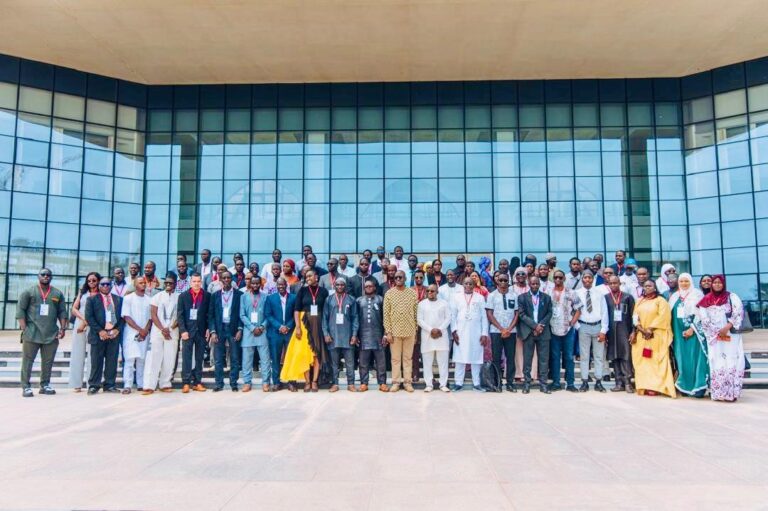
The workshop brought together technical experts, farmers, and partners to review and update the national strategy, ensuring Gambia remains on track toward eliminating this devastating disease.
About the Author