

By: Fatou Krubally
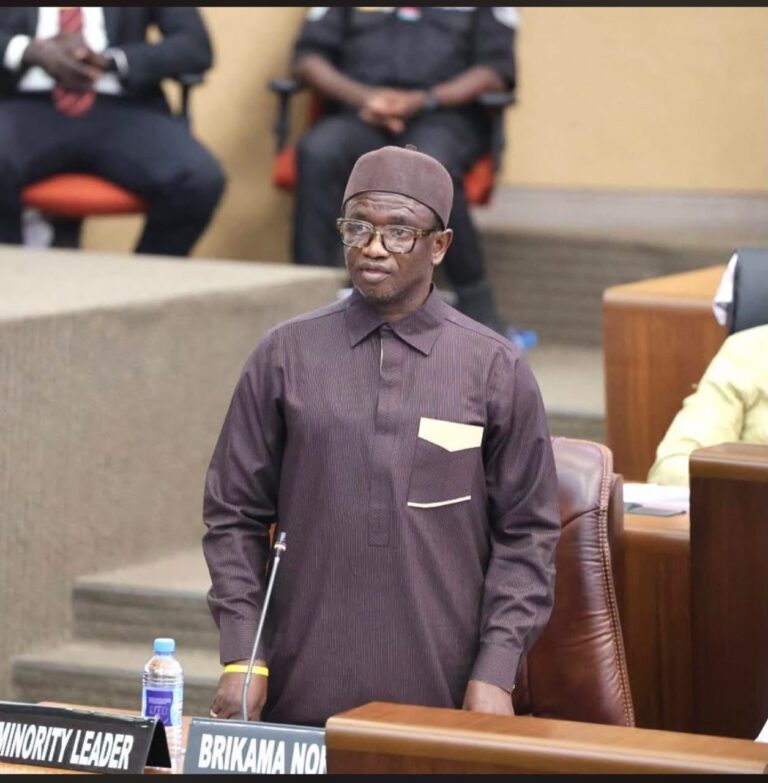
The National Assembly on Tuesday, 8th July 2025, continued its clause-by-clause consideration of the Elections Bill, which seeks to overhaul The Gambia’s electoral framework and replace the current Elections Act, Cap. 3:01.
Lawmakers resumed scrutiny of the Bill from Clause 38, which focuses on the replacement of voter cards, and by the end of the session had reached Clause 44 before adjourning further consideration to a later date. The Bill in total comprises 157 clauses and four schedules.
One of the key developments in the consideration process came earlier this year, when members voted to delete Clause 14 the provision for diaspora voting during their sitting on 4th March 2025. The deletion followed lengthy deliberations, with members expressing mixed views about the practicalities of implementing diaspora voting without first creating clear constituency demarcations for Gambians living abroad. Many argued that retaining the clause without such arrangements would be an exercise in futility.
The Elections Bill is among the major legal reforms promised under the government’s commitment to strengthen democratic processes and ensure free and fair elections in the country. According to the Bill’s objectives, it aims to introduce clearer procedures for conducting elections and referenda, including detailed steps for publishing and declaring final results by the Chairman of the Independent Electoral Commission (IEC).
When enacted, the Bill is expected to align The Gambia’s electoral laws with modern best practices, providing stronger safeguards for transparency, accountability, and the integrity of the vote.
As consideration continues, members of the Assembly are expected to debate the remaining clauses and schedules before the Bill is finally passed into law. The timeline for completion remains uncertain, but the stakes are high, with many stakeholders watching closely to see how the new framework will shape the country’s democratic future.
For now, with the diaspora voting clause struck out and more clauses still to be debated, the Assembly’s task is clear: to deliver an elections law that meets the aspirations of Gambians at home and, for now, not abroad.
About the Author