

By: Fatou Krubally
The Gambia Action Party (GAP) has renewed its call for an immediate ban on gambling, arguing that it is exacerbating addiction, crime, and social decay among the country’s youth.
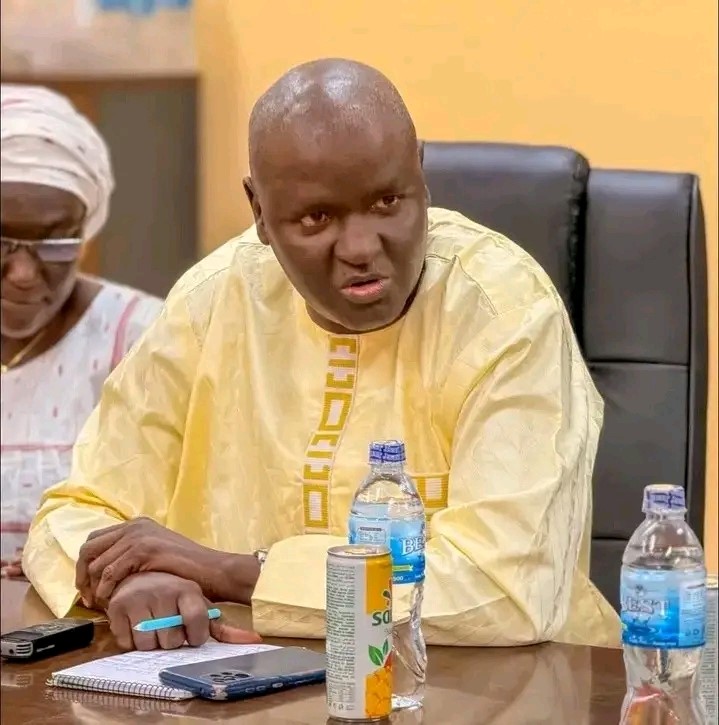
GAP leader Musa Ousainou Yali Batchilly has urged President Adama Barrow to reinstate the prohibition on betting, which was lifted in 2017.
In a statement, Batchilly warned that the growing prevalence of gambling is tearing families apart, promoting financial irresponsibility, and distracting students from their education. He emphasized that the government must act swiftly to protect young people from the damaging effects of betting.
“I urge President Barrow, to take immediate action to address the alarming and harmful consequences of gambling on our society, particularly on young people,” Batchilly said.
The rise of betting houses across the country has sparked widespread concern, with critics arguing that they exploit the desperation of young people and encourage criminal activities. Batchilly noted that many gamblers, enticed by the promise of easy money, end up in severe financial trouble, leading to theft and other crimes.
Gambling was previously outlawed under former President Yahya Jammeh, who in 2015 labeled the industry as “exploitative” and harmful to the younger generation.
However, shortly after taking office in 2017, President Barrow lifted the ban, allowing betting operations to resume.
GAP now views this decision as a major policy mistake that needs to be reversed. Batchilly argued that gambling addiction has worsened in the years since, with even minors becoming involved in betting.
“Now, even children under 18 are actively participating in betting and other forms of gambling,” he lamented. “This poses a threat not only to their future but also to the stability and progress of our nation.”
Concerns about the impact of gambling have grown, with reports of school dropouts and family conflicts linked to betting. Batchilly warned that gambling is eroding moral values and fostering a generation that prioritizes quick wealth over hard work.
“Betting and other forms of gambling are significant contributors to crime, theft, and indiscipline,” he said, adding that many parents have lost control over their children as gambling becomes more entrenched in communities.
While some view betting as a source of income and entertainment, critics argue that its long-term consequences far outweigh any short-term benefits. As the debate intensifies, the government faces a crucial decision on whether to prioritize economic gains or address growing concerns about youth welfare and social stability. For now, the future of the country’s gambling industry remains uncertain.
About the Author