
By Yunus S Saliu
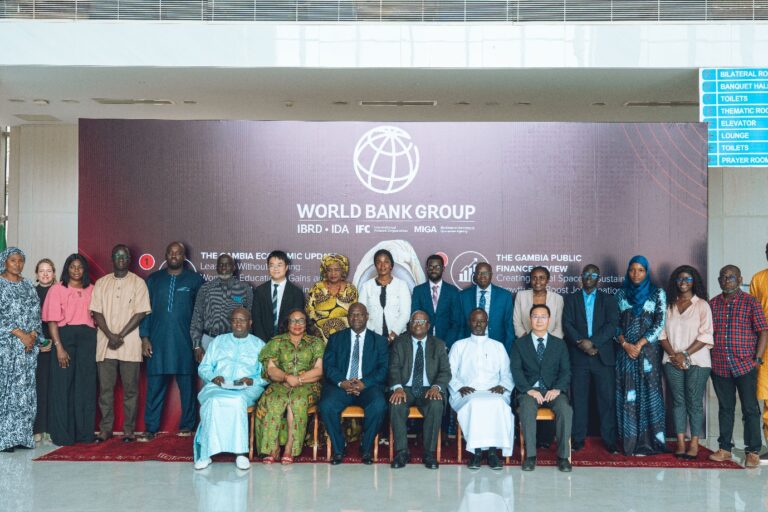
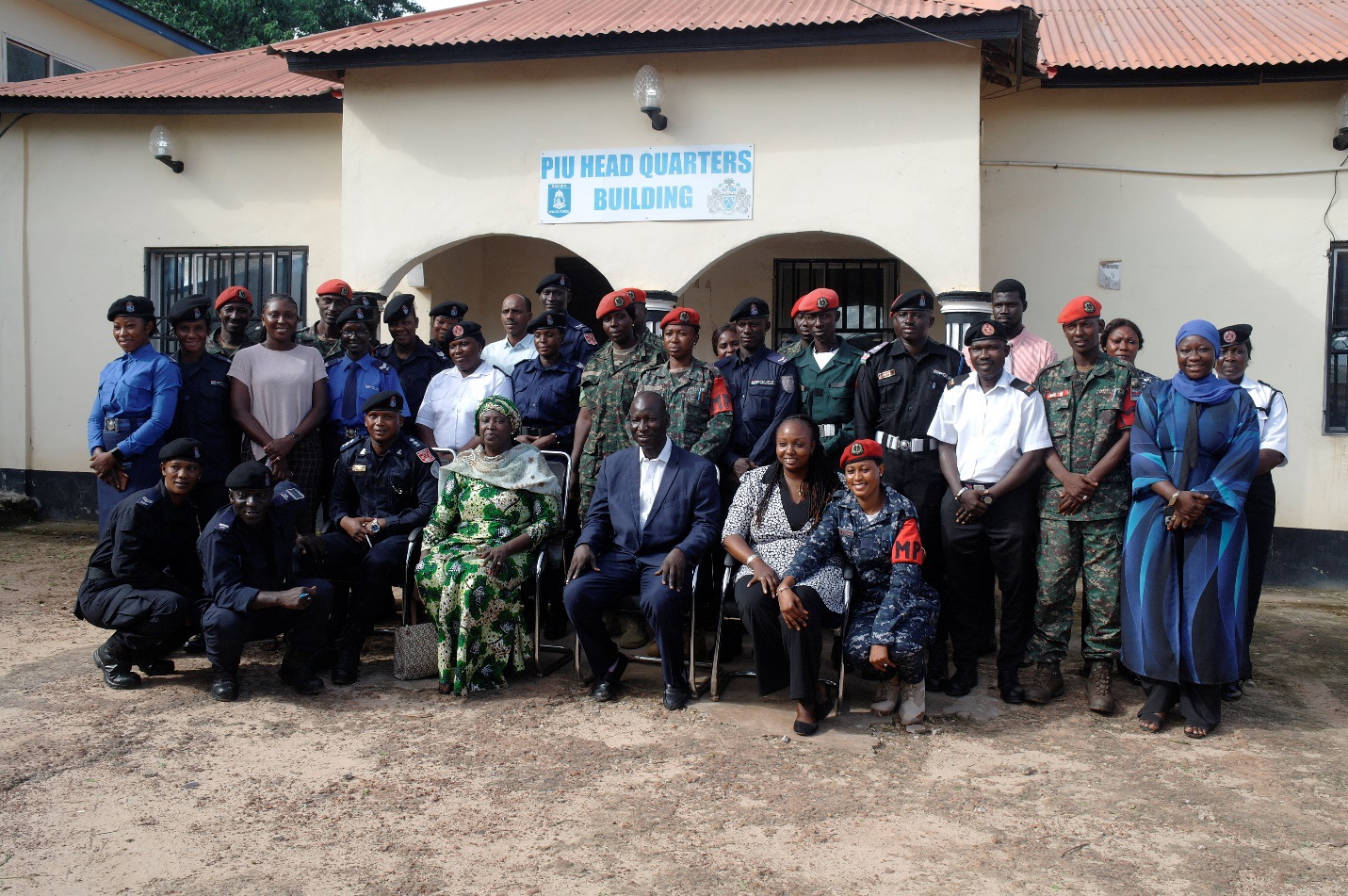
The Sub-Saharan Africa Women’s Empowerment and Demographic Dividend Project Plus (SWEDD+) on Tuesday trained service personnel, which comprised the Police Intervention Unit (PIU), Military Police (MP), Police force, Gambia Fire Services, and Immigration Department on Sexual and Gender-Based Violence (SGBV), Sexual Exploitation and Abuse (SEA) and Sexual Harassment (SH).
The forum was held at the Police Intervention Unit Headquarters in the Kanifing Municipality.
The session was very interactive and presentations from different presenters emphasized the role of security in preventing SGBV.
Preventing sexual and gender-based violence (SGBV) is noted to be inevitably complex, and actors at local, national, and international levels can often feel daunted by the scale of the challenge and how to act effectively in preventing it.
However, speaking at the opening of the forum, Musa Camara, Director of Western Region 1 Ministry of Health reminded the service personnel of the importance of the forum as far as their roles and responsibilities are concerned regarding averting gender-based violence.
He noted that GBV is across the society while applauding the support of the Ministry of Health and the government in fighting against gender-based violence in the country.
As a Health Ministry, he said the leadership would ensure that they collaborate with notable partners, which the security cannot be left behind, especially when it comes to achieving the development goals and aspirations, “so this can be done with concerted efforts.”
He reiterated “As far as gender-based violence is concerned, it is happening in all walks of life, different units, different societies, or at community level, it is happening, even at the security level. So what we are here for is to ensure that we all take our responsibilities as responsible citizens, to ensure that we avert gender-based violence in our society.”
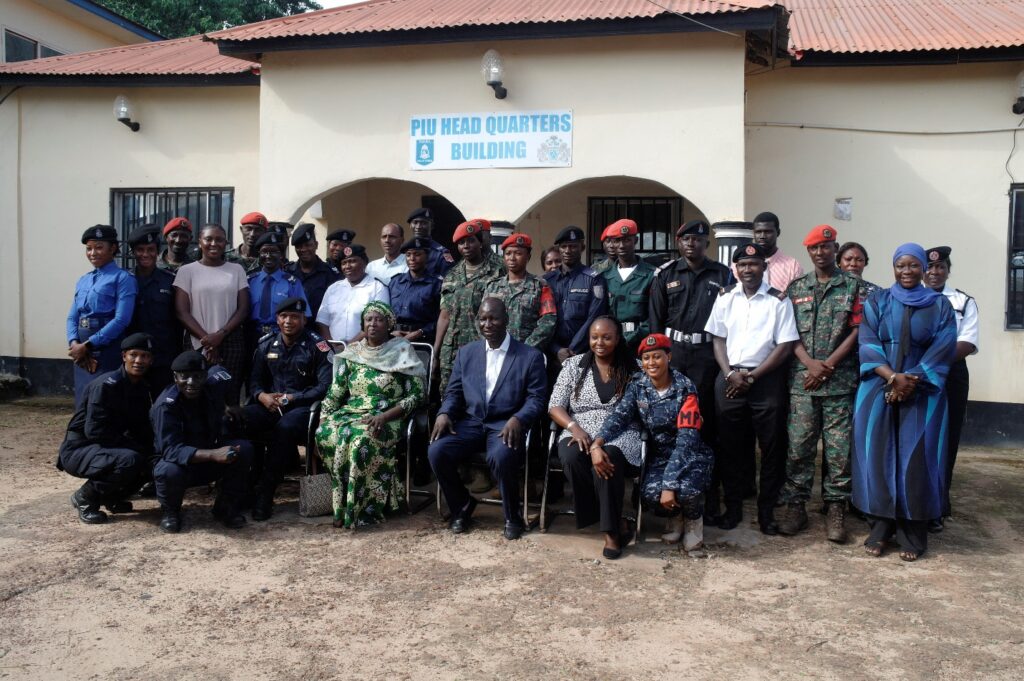
Assistant Superintendent of Police MM Jallow, representing the Chief of Operation stated gender and sexual-based violence is a term that people misinterpret, not only in the security service but also in the community at large.
With that, he said having such training on SGBV/SEA/SH will enhance and also build their capacity as officers to know why, when their rights are violated, or when they violate other people’s rights.
He noted that sexual and gender-based violence is not about women alone, but both genders, so with this training, he said he believed that people’s knowledge will be widened, and broaden their perspective about sexual and gender-based violence.
Ma’am Fanta Bai Secka, Deputy Permanent Secretary at the Ministry of Health disclosed that Sub-Saharan Africa Women’s Empowerment and Demographic Dividend Project Plus (SWEDD+) is an activity under the Ministry of Health funded by the World Bank.
She urged participants to follow the presenters attentively as they present their comprehensive presentations saying security personnel are essential partners in translating national-level policies into real change for the hundreds and thousands of people who have been affected by or are at risk of SGBV.
She highlighted that The Gambia demographic health survey indicated that 48% of women of reproductive health aged 15 to 49 years have ever experienced all forms of gender-based violence be it physical, sexual, or emotional.
Ma’am Phebian Ina Grant Sagnia, the Gender-Based Violence Focal Person for SWEDD+ Project in her presentation dilated among other issues the statistics on gender inequality and the scope of the problem.
She stated that women are the majority of the world’s poor, as 70% of people living in poverty (less than $1/day) are women. Also, women are less likely than men to hold paid and regular jobs within the formal employment sector, and they represent more than two-thirds of the world’s illiterate.
She also pointed out that women are almost entirely excluded from political power, as they hold 15.6% of elected parliamentary seats globally, and own only 1% of the world’s land.
Further to that, she said gender-based violence is an umbrella term for any harmful act that is perpetrated against a person’s will, and that is based on socially ascribed (gender) differences between males and females.
“It includes acts that inflict physical, sexual or mental harm or suffering, threats of such acts, coercion, and other deprivations of liberty.
These acts can occur in public or in private,” she explained
About the Author