By Sering Mass Jallow
A United Nations special rapporteur on extrajudicial, summary or arbitrary executions has called for sustained international support for Gambian health professionals working in specialized fields, including forensic medicine, death investigations, forensic archaeology, anthropology and genetics.
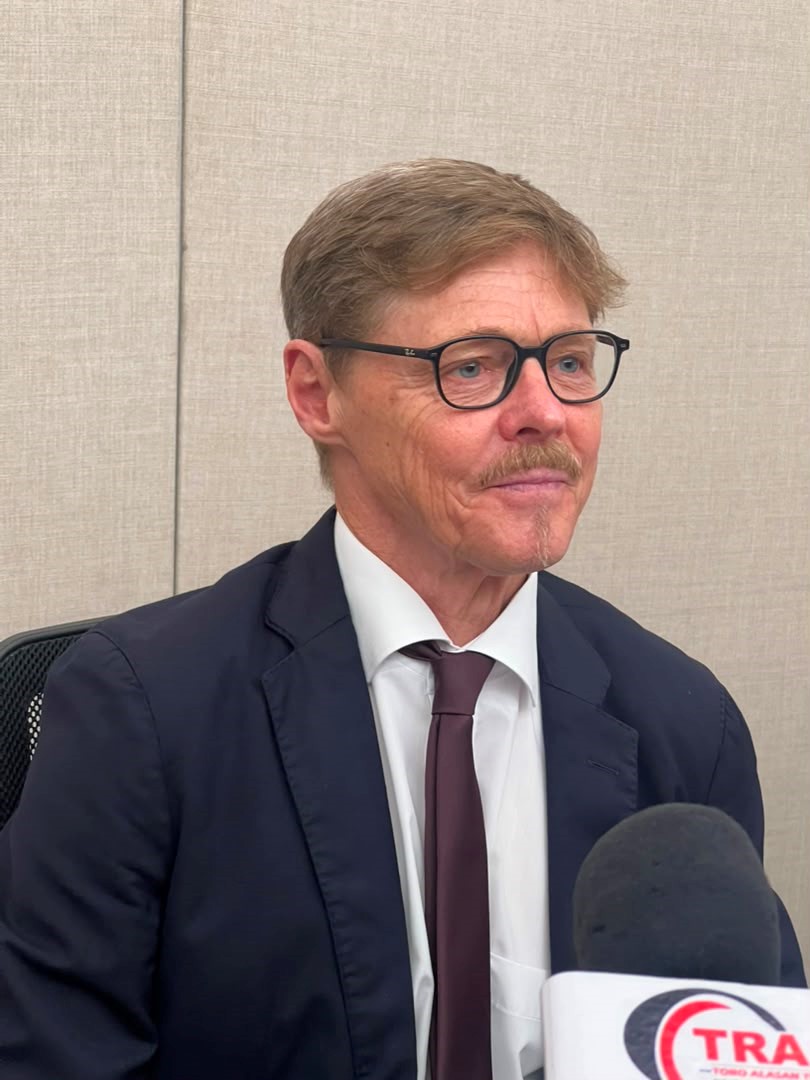
Dr. Maurice Tindall-Binnz made the call on Friday, Oct. 16, during media briefing at the African Princess Hotel in Bijilo, attended by diplomatic representatives, United Nations officials, human rights advocates and journalists.
He commended Gambian health professionals for their dedication but noted that limited resources continued to constrain their work, particularly in medical death investigations.
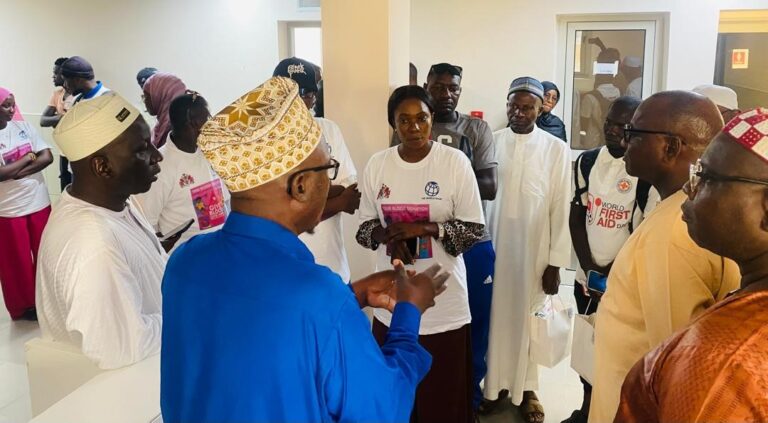
The expert made the remarks following a visit to the Edward Francis Small Teaching Hospital (EFSTH), where he met doctors working in the hospital’s forensic unit.
“I had the opportunity to meet with doctors at your main hospital. They are doing heroic work with very little resources and incredible dedication. I am calling on the international community, including the UN, to provide sustained support in this field over the longer term,” he remarked.
Dr. Tindall-Binnz said that with the necessary investment in skills and resources, The Gambia could become a regional center of excellence in forensic practices.
He added that strengthening forensic capacity would contribute to the country’s transitional justice process by helping establish the facts surrounding alleged crimes committed during former President Yahya Jammeh’s 22-year rule.
The expert visited The Gambia from Oct. 5 to 16 at the invitation of the government, conducting a two-week engagement with state authorities and other stakeholders.
He said his mission included discussions guided by a victim-centered-approach and visits to several locations and institutions, including Kanilai, Mile II Prison and communities in the North Bank Region.
The visit assessed the protection of the right to life in law and practice following the 2016 change of government. It also examined measures to prevent and investigate potentially unlawful deaths, ensure accountability, provide effective remedies and protect the rights of victims and their families to truth, justice and reparations.
The call for greater support highlights the importance of strengthening forensic expertise and institutional capacity in The Gambia, particularly in investigations that may contribute to accountability for past human rights violations.
About The Author