By Haddy Touray
The opposition United Democratic Party (UDP) has reiterated its support for a party-led coalition ahead of The Gambia’s 2026 presidential election, warning that it could withdraw from ongoing coalition negotiations if participating parties reject its proposal.
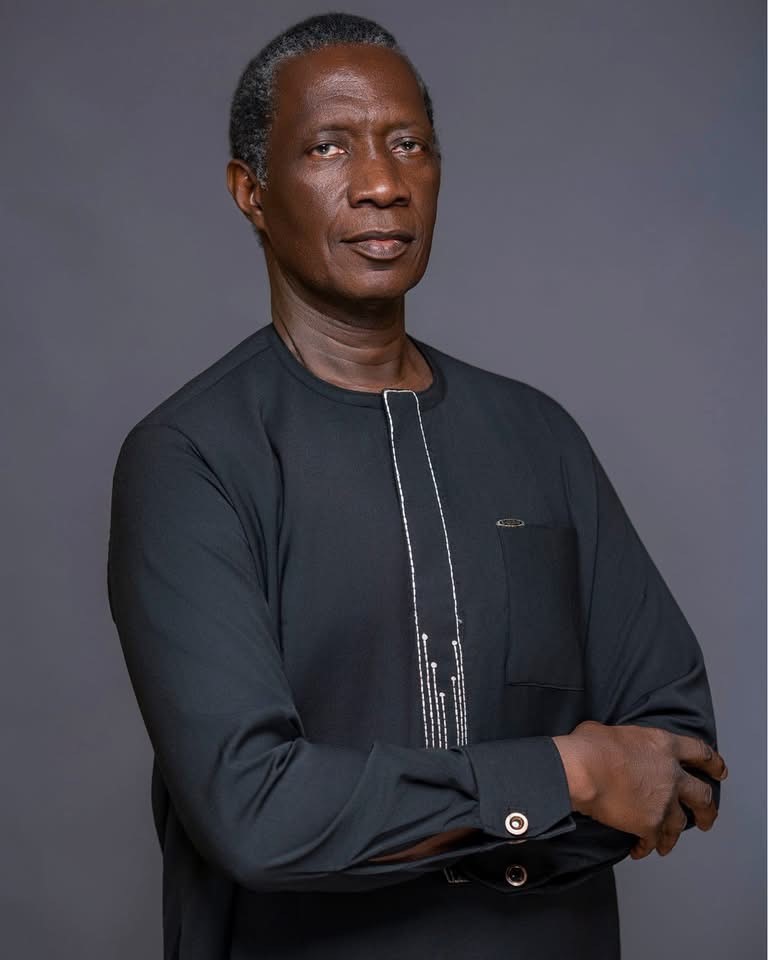
Speaking on Kerr Fatou’s Politic Kaacha programme on Tuesday, UDP Deputy Administrative Secretary for External Affairs Lamin Manneh said the party would not support a coalition arrangement that did not reflect the electoral strength of participating political parties.
He argued that coalition leadership should be determined by the relative electoral support of each party, maintaining that smaller opposition parties should rally behind the largest opposition party rather than expect it to follow them.
Referring to the 2021 presidential election, Manneh said the UDP secured about 238,000 votes, significantly more than other opposition parties, and questioned calls for the party to relinquish the coalition leadership.
He also criticized the candidate-led coalition model, arguing that it created challenges following the opposition’s victory in the 2016 presidential election.
According to Manneh, requiring then-coalition candidate Adama Barrow to resign from the UDP and contest as an independent weakened the party despite its status as the coalition’s largest political force.
He said coalition negotiations have now split participating parties into two blocs.
According to him, the UDP, the Alliance for Democracy and Development (ADD), the People’s Progressive Party (PPP), the People’s Alliance Party (PAP) and the Gambia Action for National Unity (GANU) favour a party-led coalition.
He said the Alliance for Patriotic Reorientation and Construction (APP-Sobeyaa), the Gambia Democratic Congress (GDC) and the UNITE Party support a candidate-led coalition, while several political movements have also aligned with that position.
Manneh alleged that the candidate-led proposal was intended to place the UDP in the minority during the negotiations.
Asked whether the UDP would leave the talks if no agreement is reached before the reported 8 August deadline, he said the option remained open.
“We came for a discussion to form a coalition. Why would we be there if we do not agree on the terms?” he said.
Manneh also dismissed claims that the UDP had undermined the coalition process after the People’s Progressive Party endorsed its presidential candidate while negotiations were still ongoing.
He accused some parties of applying double standards, citing other political alliances and mergers that have taken place during the coalition discussions.
His remarks underscore growing divisions among opposition parties over whether the proposed alliance should be anchored on the strength of political parties or on the selection of a consensus presidential candidate ahead of the 2026 elections.
About The Author