By Binta Jaiteh
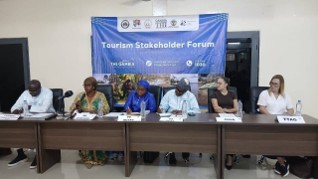
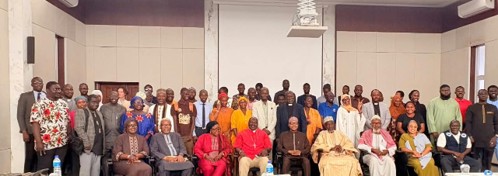
Media representatives, religious leaders and civil society organizations Thursday took part in a consultative dialogue geared towards promoting peaceful, inclusive and credible elections in The Gambia.
The event was organized by the International Institute for Democracy and Electoral Assistance (International IDEA) and was held at the African Princess Hotel.
The dialogue forms part of a project focused on promoting peaceful, inclusive and credible presidential and parliamentary elections in the country.
The initiative seeks to facilitate consultations with political parties and other electoral stakeholders ahead of the December 2026 presidential election, including efforts to build consensus around a proposed Peace Pact.
Speaking at the event, International IDEA’s Mohamed Ibn Chambas said elections should be inclusive, credible, free and fair.
He said the dialogue provided an opportunity for stakeholders to discuss ways of maintaining peace and responsible political conduct before, during and after the elections.
“We have been engaging in such dialogues. During the last cycle, stakeholders were able to get candidates, not only presidential candidates but also National Assembly candidates, to sign a code of conduct, holding themselves to good conduct before, during and after the elections,” he remarked.
Ibn Chambas says maintaining peace requires creating an environment in which citizens can move freely without fear.
He urged stakeholders to place the national interest above other considerations, noting that a proposed Peace Pact could build on previous efforts to promote responsible political conduct.
International IDEA previously supported stakeholder consultations that contributed to the adoption of codes of conduct for presidential and parliamentary candidates during the 2021 and 2022 elections.
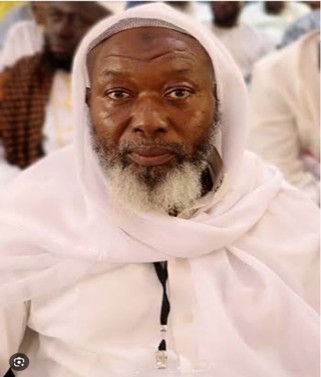
Speaking on behalf of the Supreme Islamic Council, Essa Darboe said religious leaders had an important role to play in promoting peaceful elections.
“Islam advises us to speak the truth and verify before speaking. As religious leaders, we play a key role in promoting peace. We should preach peace during sermons. It is important to prevent violence in the country as The Gambia is known for peace,” he remarked.
Madi Jobarteh, Executive Director of the Edward Francis Small Centre for Rights and Justice, said all stakeholders had a responsibility to contribute to peaceful elections.
He questioned why stakeholders continued to hold discussions on electoral peace despite the existence of laws and institutions intended to safeguard democratic processes.
Jobarteh said elections were important because they provided citizens with an opportunity to choose leaders who would govern the country, adding that stakeholders should be prepared to address issues affecting the electoral environment.
He cited the National Human Rights Commission’s study on hate speech, saying political leaders, their supporters, social media influencers and religious leaders had been identified as among those associated with hate speech.
He also referred to a 2017 inter-party memorandum of understanding on peaceful elections, saying political parties had previously committed themselves to democratic values and standards.
Jobarteh raised concerns about recent remarks attributed to the Minister of Lands and questioned what he described as the response of government and religious authorities to such statements.
He also urged International IDEA to ensure that recommendations emerging from stakeholder consultations were followed up and implemented.
The Head of the Christian Community, Reverend Bannie Ebenezer F. Manga, also underscored the role of religious leaders in promoting peaceful elections.
Manga thanked International IDEA for bringing together key stakeholders to discuss peace-building efforts ahead of the elections.
He urged political leaders and other stakeholders to avoid inflammatory rhetoric and place the national interest at the center of their actions.
International IDEA has identified strategic communication, civic engagement, addressing misinformation and hate speech, and stronger coordination among electoral stakeholders as areas relevant to sustaining peaceful and credible electoral processes in The Gambia.
About The Author