By Binta Jaiteh
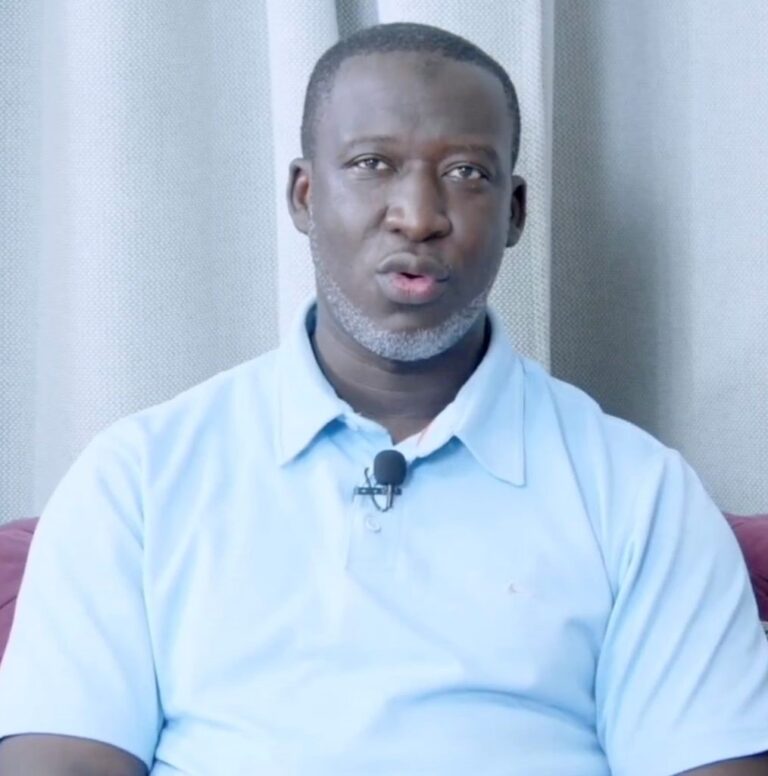
Campaign Manager of the United Movement for Change (UNITE), MC Cham Junior, has challenged the United Democratic Party (UDP) to provide evidence to support claims that the Coalition 2026 selection process was unfair.
Cham, speaking in an interview with The Voice Newspaper, said an unexpected outcome in a political process did not, by itself, render the process illegitimate.
“Anyone claiming that Coalition 2026 was fundamentally unfair should present the facts and evidence. But an unexpected result does not automatically make a process illegitimate. Sometimes politics simply produces an outcome that some participants would rather not accept,” he said.
He said the controversy surrounding Coalition 2026 had exposed what he described as a recurring pattern in Gambian politics, where political actors accept a process when they expect a favourable outcome but raise objections when the political situation changes.
“Rules that were acceptable at the beginning suddenly become questionable when victory is no longer certain,” Cham said, adding that the debate was therefore not only about procedure but also about political consistency.
Cham also raised questions about the role of the Alliance for Democratic Development (ADD) and its leader, Malick Camara, in the coalition process.
While acknowledging ADD’s role in bringing opposition parties together for negotiations, he alleged that some of its political engagements created the impression that the organisation was working towards an outcome favourable to the UDP.
“Supporting a preferred candidate is perfectly legitimate, but questions naturally arise when those helping to organise the process also appear to be promoting one particular political direction,” he said.
Cham alleged that the situation became particularly contentious when it appeared that UDP leader Ousainou Darboe could not be assured of victory in a competitive selection process involving Talib Ahmed Bensouda.
He claimed that this was the point at which the political atmosphere changed and withdrawal became a preferred option for some participants.
“A political actor cannot help organise a process, support its framework while a preferred candidate appears well placed, and then abandon it when another contender begins to look capable of winning,” Cham said.
He also argued that the UDP should recognise that the opposition ticket was not a permanent entitlement.
Cham acknowledged that the UDP might continue to regard Ousainou Darboe as its strongest candidate but said other opposition parties had the right to question whether maintaining the same political formula after five unsuccessful presidential attempts was the best strategy for the 2026 election.
“No party owns the opposition and no politician can claim an automatic right to lead simply on the strength of history, size or past electoral performance,” he said.
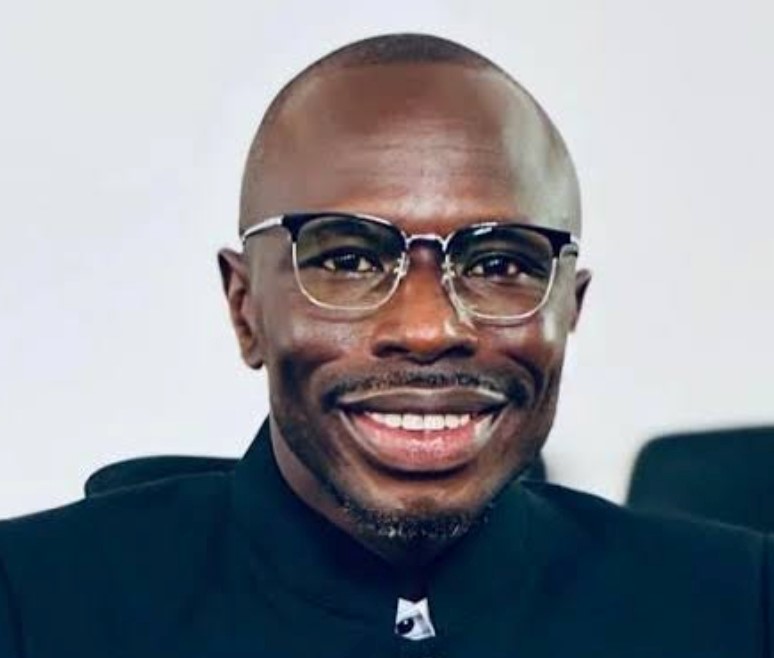
Cham said Bensouda’s emergence had become significant in the evolving opposition landscape, arguing that the former mayor of Kanifing had built political relationships, engaged stakeholders and sought to present himself as an alternative candidate.
He said Bensouda’s rise reflected what he described as a broader demand for a new generation of leadership capable of organising, listening, building consensus and competing on ideas rather than political entitlement.
Cham also referred to controversies surrounding the 2016 opposition coalition convention, including longstanding disagreements over delegate arrangements and the influence of different political actors.
“Coalition politics cannot continue to be driven by entitlement and selective outrage. No party owns the opposition and no individual has a divine right to lead it. A democratic process cannot be considered fair only when it produces the candidate you wanted,” he said.
“The coalition has made its choice. Talib has made his case. The final verdict belongs to the Gambians,” Cham added.
He further pointed to the economic and social challenges facing Gambians, as well as what he described as poor government performance, as issues that would be central to the 2026 campaign.
“Our coalition is backed by capable and experienced people who understand the country’s political landscape and the concerns of ordinary Gambians. We are confident in our ability to present a credible alternative and win the election,” he said.
About The Author