By: Jankay Kujabi
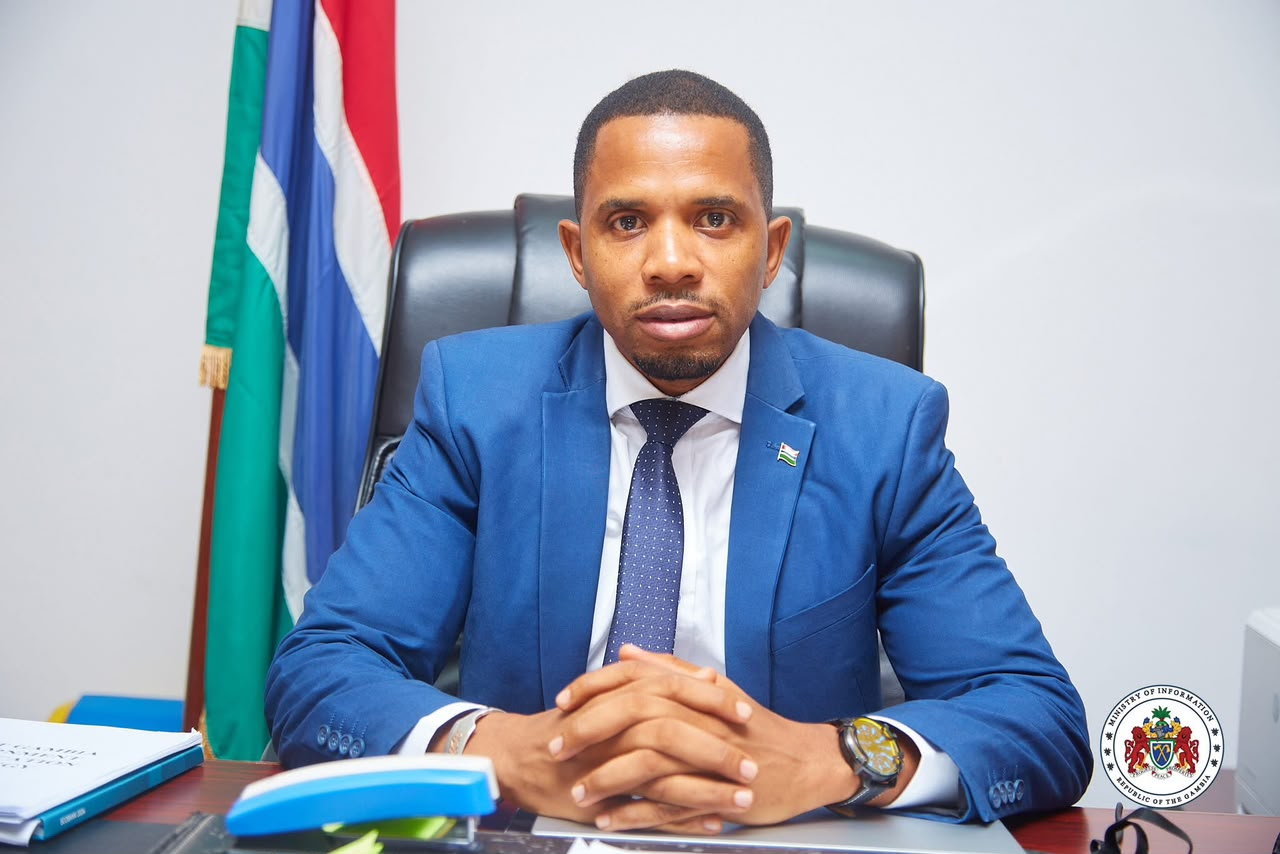
Information, Media and Broadcasting Services Minister, Dr. Ismaila Ceesay has urged journalists and media practitioners in The Gambia to protect vulnerable children in doing their reporting.
He says media workers should “place the safety, dignity and best interests of children above the pursuit of breaking news, online engagement and public attention.”
Speaking at a workshop ‘on strengthening media capacity in child rights and ethical reporting’, Dr. Ceesay warned that irresponsible reporting could have lifelong consequences for children, particularly in the digital era where images and information can spread instantly.
The workshop, held at the Senegambia Beach Hotel, was organised by the Institute for Human Rights and Development in Africa (IHRDA) in collaboration with the Gambia Press Union (GPU) and UNICEF.
Dr. Ceesay said journalists have the power to either protect or harm children through their reporting, photographs, headlines and digital platforms.
“A child is not content. A child is not a photograph for engagement. A child’s trauma is not entertainment,” he said.
The minister cautioned against revealing the identities of children or publishing images that could expose them to stigma, discrimination or lasting harm, stressing that privacy and dignity must remain paramount.
He urged media professionals to distinguish between public interest and public curiosity, noting that not everything the public wants to know is information the public has a right to know.
According to Dr. Ceesay, journalists covering cases involving children should ensure their reporting does not expose victims of abuse to identification or permanently label children who come into conflict with the law.
He also challenged the media to move beyond portraying children solely as victims, encouraging journalists to highlight their achievements as students, innovators, athletes, leaders and agents of positive change.
The minister further highlighted the risks associated with digital journalism, where a child’s name or photograph can remain online indefinitely and affect their future.
He called on journalists to ask not only whether a story can be published, but whether it should be published and what consequences it may have for the child concerned.
Dr. Ceesay also outlined child protection provisions contained in the draft broadcasting and online content regulatory framework, including safeguards for the identities of child victims, requirements for parental or guardian consent when interviewing children, and restrictions on harmful or exploitative content involving minors.
He emphasized that protecting children was a shared responsibility involving government, parents, schools, communities, law enforcement agencies, development partners and the media.
While reaffirming the importance of press freedom in a democratic society, Dr. Ceesay said freedom of expression must be exercised responsibly.
“Tell your story, but protect the child. Investigate, but do not exploit. Ask difficult questions, but do not re-traumatise,” he told participants.
About The Author