By Yunus S Saliu
The National Mental Health Programme of the Ministry of Health on Monday officially commenced a two-day meeting to validate The Gambia’s National Dementia Plan 2027–2031, aimed at strengthening awareness, prevention, diagnosis, treatment and support for people living with dementia and their families.
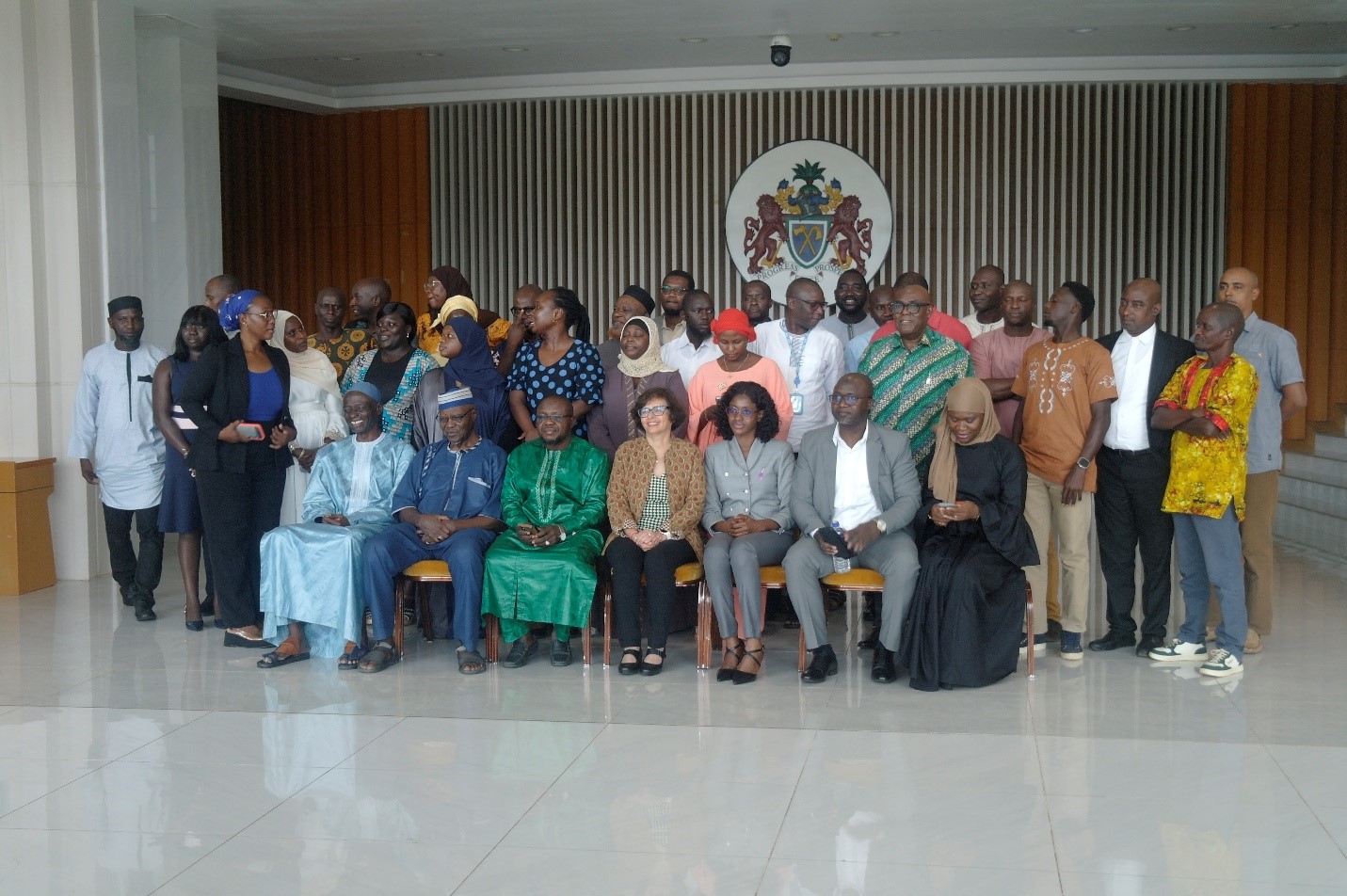
The validation meeting, held at the Sir Dawda Kairaba Jawara International Conference Centre in Bijilo, brought together stakeholders to review, strengthen and endorse the draft plan as the country seeks to place dementia more firmly within its national health and development agenda.
Presiding over the opening on behalf of the Minister of Health, Permanent Secretary Lamin Dampha said governments have a responsibility to protect and care for citizens throughout every stage of life, stressing that greater attention must now be given to older people and dementia.
“Dementia is not a private family misfortune to be managed quietly behind closed doors,” PS Dampha said, describing it as a public health matter and increasingly a matter of national development.
He noted that populations are ageing globally and in Africa, adding that as countries succeed in helping people live longer, they must also ensure that people receive appropriate care as they grow older.
According to him, the Gambia Dementia Plan provides a framework covering dementia awareness, prevention and risk reduction, early detection and diagnosis, treatment, care and support, workforce development, data, research and community-based services.
PS Dampha said that, once validated, The Gambia would become, according to the Ministry, the first country in the African Region to validate a dedicated National Dementia Plan.
He further said the government had demonstrated its commitment to the issue at the international level, noting that he had delivered The Gambia’s national statement on dementia at the 78th World Health Assembly.
The 2027–2031 plan, he explained, is built around four national priorities: empowering communities through awareness and reducing stigma; strengthening sustainable healthcare and social support systems across the country; investing in research, information and innovation based on Gambian evidence; and ensuring accountability through effective monitoring and evaluation.
He called on ministries, government institutions and other stakeholders to view the plan as a whole-of-government responsibility rather than an initiative belonging solely to the Ministry of Health.
Speaking at the meeting, Mam Jarra Marega, Programme Manager of the National Mental Health Programme, said dementia was already affecting families in The Gambia and required a coordinated public health response.
She said an estimated 57 million people globally are living with dementia, with nearly 10 million new cases recorded annually, while more than 60 percent of people affected live in low- and middle-income countries.
For The Gambia, Marega said modelled estimates suggest that between 300 and 4,000 people are currently living with dementia, with the number projected to rise to around 12,900 by 2050 as the population ages.
However, she noted a significant gap between estimated cases and cases recorded through the routine health information system.
According to Marega, only 86 outpatient dementia cases were recorded in 2024, rising to 244 in 2025 following intensive training of healthcare providers on the WHO Mental Health Gap Action Programme (mhGAP) guidelines.
She said the figures indicated that many people may not be recognised, diagnosed, documented or supported early enough, highlighting the need for a dedicated national plan.
Marega said dementia had previously remained largely invisible within the health system, with limited tools for screening, clinical guidance and structured support for caregivers.
She highlighted several measures already undertaken, including the training of more than 300 non-specialist healthcare providers on the WHO mhGAP Intervention Guide between 2023 and 2026, with 60 recently trained on the comprehensive dementia module.
She also said 30 traditional healers had been trained in psychosocial support and safe referral as part of a planned programme to train 100 traditional healers.
According to Marega, engaging traditional healers is important because many families still consult them or faith healers when relatives begin experiencing memory loss or behavioural changes.
She further announced efforts to revitalise the Community Mental Health Team, whose outreach activities had stopped since 2017, while work is also underway with the School of Community Health Nursing to establish a Diploma in Community Mental Health and Psychosocial Support.
The objective, she said, is to ensure dementia care is not concentrated in the Greater Banjul Area but reaches rural and remote communities through trained primary healthcare workers, stronger referral pathways and structured caregiver support.
Other speakers at the opening included Dr Momodou T Nyassi, Director of Health Services, Ministry of Health, Dr Tarun Dua of the World Health Organization, Dr Lamin Sidibeh, Dr Chido Rwafa-Madzvamutse of the WHO Regional Office, who participated via video, and Dr Selassi D’Almeida.
The opening session was followed by presentations and discussions as stakeholders continued reviewing the draft National Dementia Plan.
About The Author