By Yunus S. Saliu
The Gambia Tourism Board (GTBoard) and the Ministry of Tourism, Arts and Culture have urged stakeholders in the Central River Region (CRR) to strengthen partnerships and turn the region’s tourism assets into sustainable economic opportunities for local communities.
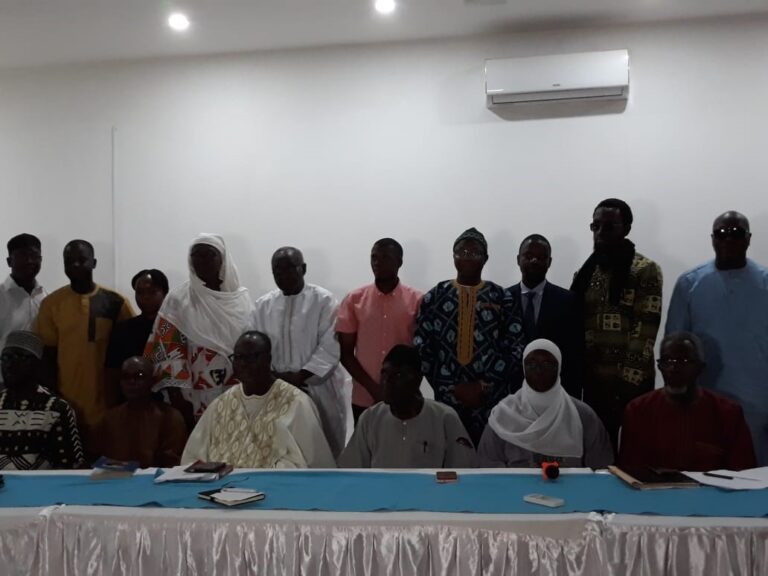
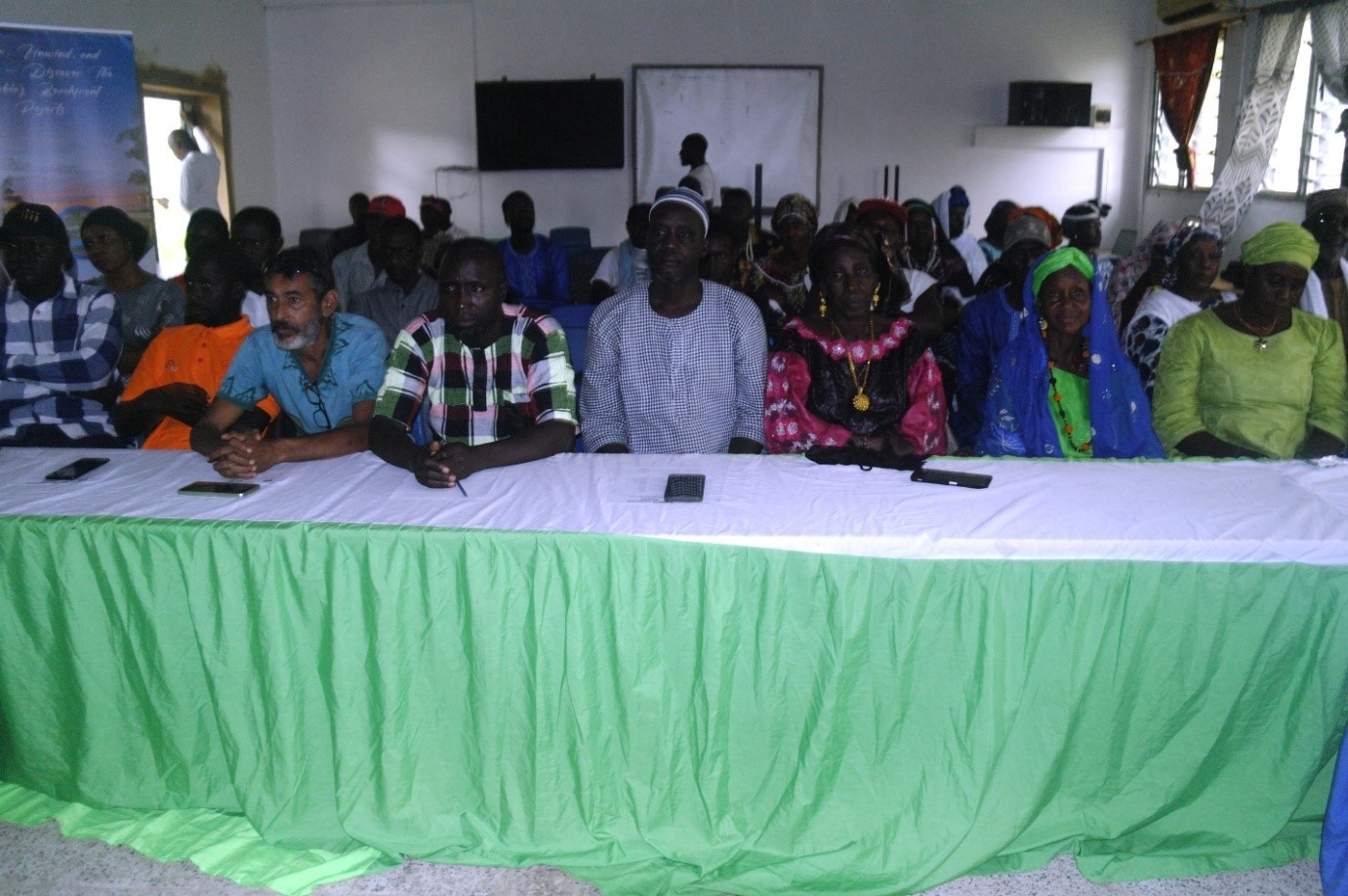
The call was made Tuesday, Sept. 22, during a tourism stakeholders’ consultative meeting held at the Regional Education Centre in Janjanbureh.
The meeting was the second day of a nationwide consultation by the GTBoard aimed at engaging stakeholders on ways to diversify the country’s tourism products and expand the benefits of tourism beyond the coastal areas.
Participants included CRR Governor Ousman Bah, National Assembly Member for Janjanbureh Omar Jammeh, community elders, representatives of the Janjanbureh Area Council, tour guides, the Gambia Hotel Association, tourism and cultural organisations, the GTBoard, ITC Gambia and the Ministry of Tourism, Arts and Culture.
Speaking on behalf of the Minister of Tourism, Arts and Culture, Permanent Secretary Amie Njie said the consultation reflected the government’s vision of using upcountry tourism to promote inclusive economic growth.
She said while coastal tourism remained an important pillar of the national economy, there was significant potential to develop tourism in other parts of the country, particularly the CRR.
According to Njie, the region has a range of natural, cultural and historical assets, including rivers and waterways, wetlands, forests, wildlife, cultural festivals, historic sites, traditional crafts, agricultural activities, local cuisine and other aspects of the country’s cultural heritage.
“The challenge before us today is how to transform these resources into sustainable tourism products that generate employment, support local businesses, preserve our heritage and improve the livelihoods of our people,” she said.
Njie stressed that tourism development should not be measured solely by increases in visitor numbers, but also by the economic benefits generated for local communities and the protection of the resources on which the sector depends.
She called for stronger collaboration among government, private-sector operators, civil society organisations, development partners, traditional authorities and local communities.
GTBoard Director General Ida Jeng Njie said the country’s tourism industry should no longer be viewed as being concentrated along the coastal belt.
“The Gambia tourism industry is not limited to coastal areas,” she said, adding that the CRR had an important role to play in promoting its cultural heritage and natural attractions to both international and domestic visitors.
She said the diversification of the country’s tourism products required partnerships involving regional authorities, traditional leaders, private-sector operators, women, young people and communities.
The GTBoard director general challenged stakeholders in the CRR to identify attractions and experiences that distinguish the region from other parts of the country.
She also encouraged greater domestic tourism and increased participation of women and young people in the tourism value chain.
CRR Governor Ousman Bah said the region was endowed with significant tourism assets, including the historic importance of Janjanbureh, cultural traditions, waterways, wildlife and other heritage sites.
He said tourism development could not be achieved by government alone and called for greater involvement of communities, traditional authorities, private operators, tour guides, artisans, hospitality businesses, youth and women’s groups.
Governor Bah identified infrastructure, accessibility, marketing, skills development, investment, heritage preservation, environmental sustainability and stronger links between tourism and local businesses as areas requiring attention.
Chairman of the GTBoard Governing Board, Momodou Bamba Saho, said the consultation was designed to identify local priorities and practical ways of ensuring that tourism benefits reached communities.
He highlighted Janjanbureh’s history and living traditions, the Wassu and Kerr Batch stone circles, River Gambia National Park, the River Gambia, rural landscapes, local cuisine and community hospitality as key tourism assets in the region.
He noted that the stone circles form part of a UNESCO World Heritage Site, while the Kankurang Festival adds to the region’s cultural appeal.
Saho urged stakeholders to develop tourism products that would encourage visitors to stay longer, saying overnight stays, guided excursions, locally prepared meals and purchases of local products could generate direct economic benefits for communities.
He also called for increased opportunities for tour guides, boat operators, accommodation providers, cultural performers, farmers, fishermen and craft producers, particularly women and young people, to participate as business owners.
“The central question is: how do we translate all of this potential into actually bringing lasting benefits to the people who live here?” he asked.
The meeting was held under the theme, “Strengthening Partnerships for a More Competitive and Sustainable Destination,” as part of the GTBoard’s nationwide engagement with tourism stakeholders.
About The Author