By Sheriffo M
Gambia on Tuesday briefed resident diplomats from countries that were states parties to the Rome Statute of the International Criminal Court (ICC) as part of its campaign to secure support for the election of Justice Veronic Wright as a judge of the court.
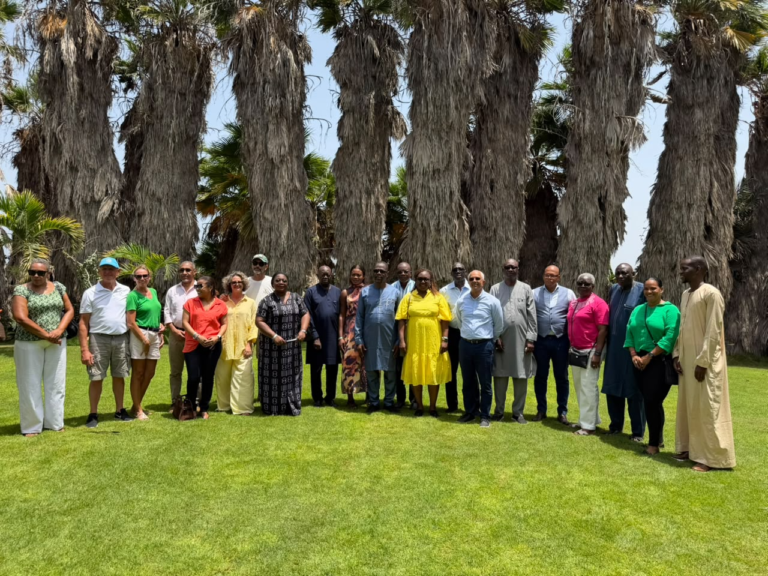
The diplomatic briefing, convened by the Ministry of Foreign Affairs, International Cooperation and Gambians Abroad, brought together members of the diplomatic and consular corps at the ministry’s conference room in Banjul.
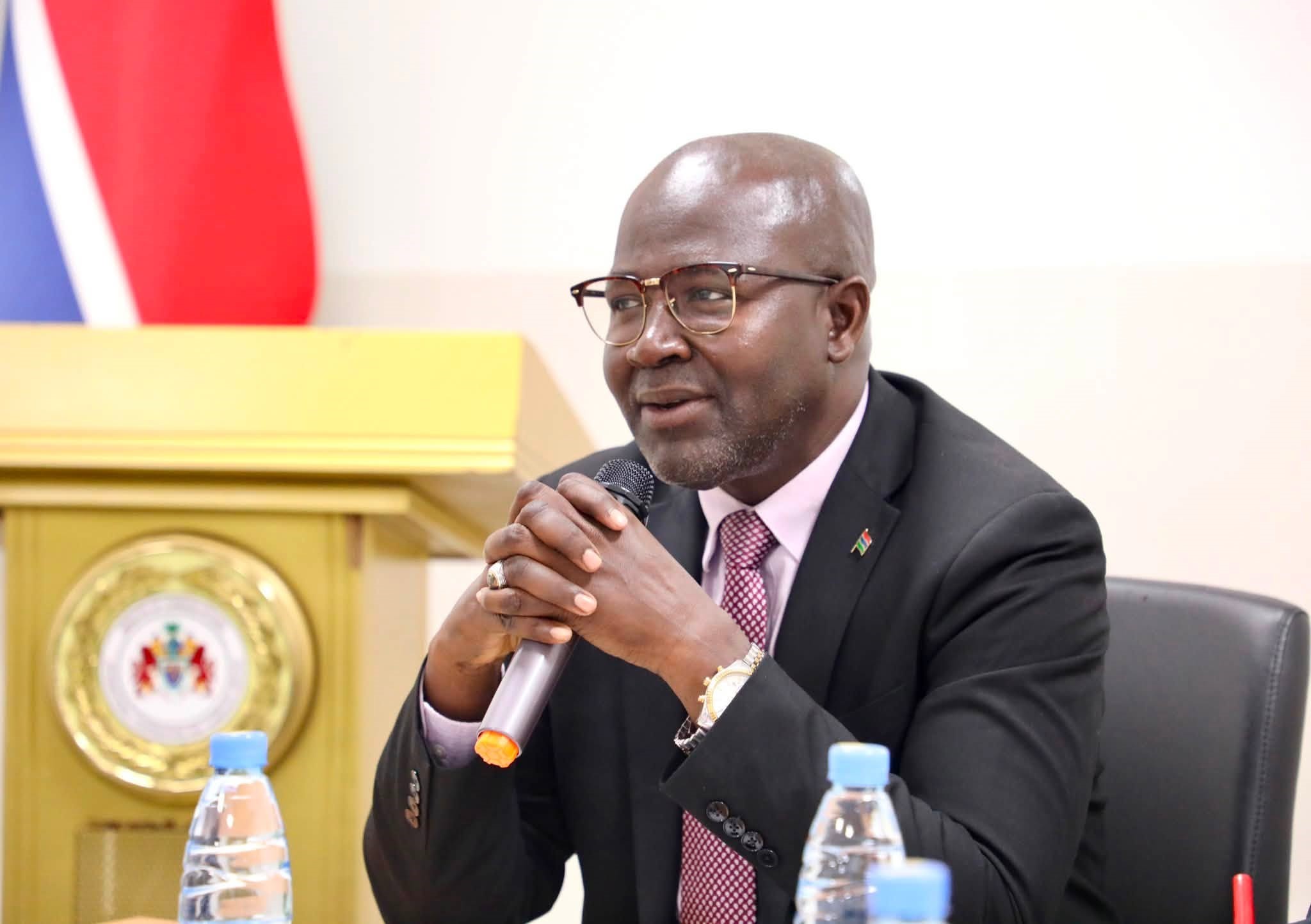
Permanent Secretary, Ambassador Lang Yabou, reaffirmed Gambia’s commitment to international justice, accountability, human rights and the rule of law.
He said the country’s nomination of Justice Wright reflected its commitment to strengthening the international justice system through experienced and principled judicial leadership.
Ambassador Yabou described Justice Wright as a highly qualified candidate and urged representatives of States Parties to support her candidature during the forthcoming ICC judicial elections.
Officials from the Ministry of Justice also briefed participants on the ICC judicial election process and its significance under the Rome Statute.
Director of European Affairs at the Ministry of Foreign Affairs, Mariam Khan-Jallow, presented Justice Wright’s professional profile, highlighting more than 35 years of legal and judicial experience, including nearly 18 years of service within the United Nations system.
She said Justice Wright has extensive expertise in criminal law, international criminal justice, prosecutions, judicial service, legal reform and transitional justice.
She also served with institutions including the International Criminal Tribunal for Rwanda (ICTR), the International Residual Mechanism for Criminal Tribunals (IRMCT), the United Nations Office on Drugs and Crime (UNODC), the United Nations Office of Counter-Terrorism (UNOCT) and the United Nations Investigative Team to Promote Accountability for Crimes Committed by Da’esh/ISIL (UNITAD).
Addressing the diplomats, Justice Wright outlined her vision for an independent, impartial and effective International Criminal Court guided by the principles of the Rome Statute.
She reaffirmed her commitment to judicial independence, fairness, accountability, due process and the protection of the rights of victims and all parties appearing before the Court, while drawing on more than three decades of experience in Gambia’s justice sector, international criminal tribunals and United Nations accountability mechanisms.
About The Author