The Economic, Social and Cultural Rights Justice Forum (EFSCRJ) has said the promise of “Never Again” remains unfulfilled a decade after Gambians voted to end the rule of former President Yahya Jammeh.
In a statement marking ten years since the end of July 22 military takeover anniversary, the organization paid tribute to Gambians who resisted Jammeh’s 22-year rule, saying many suffered torture, imprisonment, exile, enforced disappearance and death in defence of democracy and human rights.
EFSCRJ said the December 2016 presidential election represented more than a rejection of Jammeh’s leadership, describing it as a collective decision to end dictatorship, corruption, impunity and abuse of power while embracing democracy, justice and accountable governance.
The organization, however, expressed concern that some of the aspirations of 2016 remain at risk, citing President Adama Barrow’s reported intention to seek a third term as a threat to democratic renewal.
It argued that while the absence of presidential term limits in the 1997 Constitution may create a legal possibility for a third-term bid, “legality alone does not confer democratic legitimacy.”
EFSCRJ called on President Barrow to respect the spirit of the 2016 political transition and support a peaceful transfer of power, saying the struggle against Jammeh was aimed at changing the system of governance rather than replacing one individual with another.
The organization acknowledged progress made under the current administration, including the establishment of institutions, legal reforms and development investments, but raised concerns over what it described as increasing threats to civil and political rights, corruption, abuse of institutions and socio-economic challenges.
It also criticized delays in implementing recommendations of the Truth, Reconciliation and Reparations Commission (TRRC) and the Janneh Commission, while welcoming the establishment of the Reparations Commission and efforts towards creating a special tribunal.
EFSCRJ further called for the repeal of laws it described as restrictive to freedom of expression and assembly, including the Indemnity Act and provisions of the Public Order Act.
The organisation urged the President, National Assembly and Judiciary to conduct an honest assessment of governance and accelerate reforms aimed at strengthening constitutionalism, separation of powers and institutional accountability.
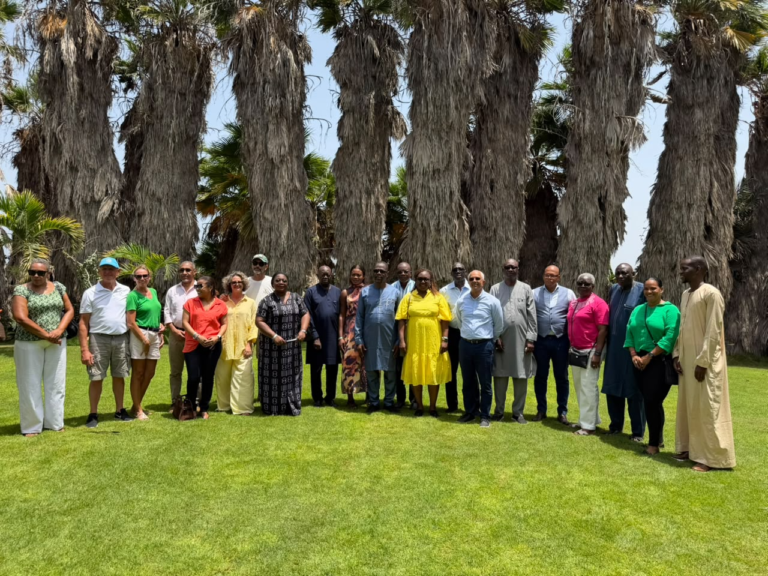
It welcomed the ongoing tripartite conference on the Commonwealth Latimer House Principles involving the Executive, Legislature and Judiciary, describing it as an opportunity for national leaders to address governance challenges and reaffirm commitment to democratic values.
EFSCRJ called on citizens, political parties, civil society organisations, the media, academia and traditional and religious leaders to remain vigilant in protecting the gains of the 2016 transition.
It concluded by honoring those who lost their lives during the struggle against the AFPRC/APRC regime and urged that the promise of “Never Again” should not be abandoned.
About The Author