UNICEF has called for accelerated efforts to ensure universal access to water, sanitation and hygiene (WASH) services for children in The Gambia, describing them as fundamental child rights rather than privileges.
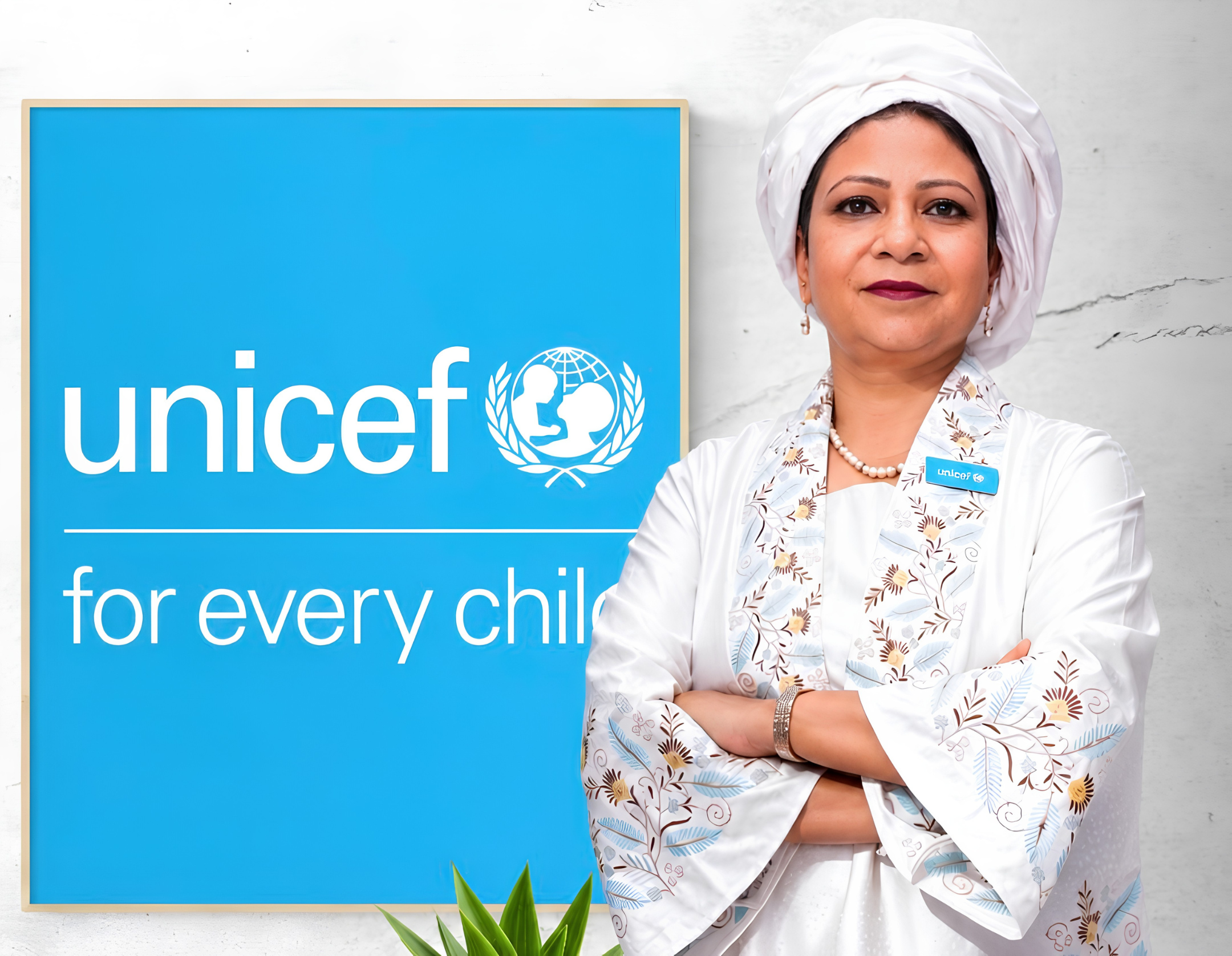
UNICEF Gambia Country Representative, Nafisa Binte Shafique, made the statement on Tuesday in a message marking the Day of the African Child 2026, under the theme: “Ensuring Universal Access to Water, Sanitation and Hygiene for Every Child in Africa.”
Shafique said The Gambia had demonstrated strong commitment to improving access to WASH services through national development strategies and sustained investments in infrastructure, capacity building and awareness campaigns.
She noted that the country was close to becoming one of the first in Africa to achieve open defecation-free status, with only about 1% of the population still practising open defecation.
According to her, this progress has contributed to improved living conditions for children in communities where access to safe water has been expanded through interventions such as solar-powered water systems.
However, she said significant challenges remain. Citing SDG 6 data, she stated that only 48% of the population has access to safely managed drinking water, while access is significantly lower in rural areas.
She added that only 28% of the population has access to safely managed sanitation services, and just 13% of households have handwashing facilities with soap and water.
Shafique warned that these gaps continue to affect children’s health, education and overall wellbeing, stressing the need for sustained and coordinated investment across sectors.
She also highlighted concerns over child stunting, noting that 18% of children in The Gambia are affected, partly due to inadequate sanitation, hygiene and nutrition.
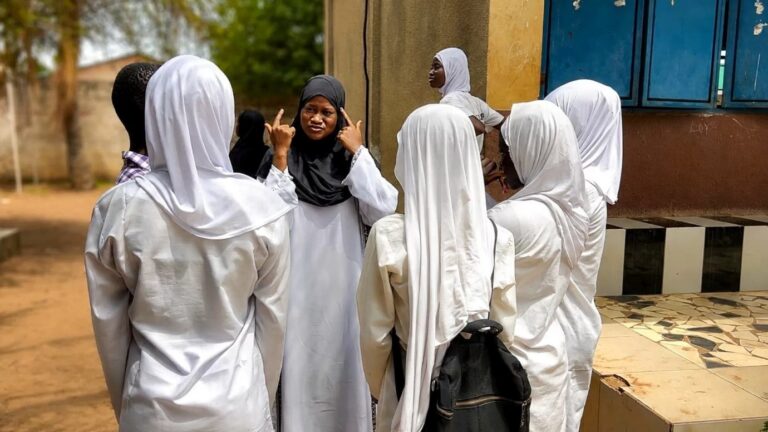
On education, she emphasised the importance of water, sanitation and hygiene facilities in schools, particularly for adolescent girls. She cited findings showing that many girls face challenges accessing sanitary products, separate latrines and menstrual health information.
She further referenced a 2025 call to action by adolescent girls demanding safe, private and functional sanitation facilities in schools, and urged governments to address stigma and barriers linked to menstrual hygiene management.
Shafique also drew attention to the impact of climate change, warning that floods, droughts and salination are increasingly affecting water sources and infrastructure across Africa, including The Gambia.
She said investing in resilient WASH systems is both a public health and child rights priority.
UNICEF reaffirmed its commitment to working with the government, development partners, civil society and communities to expand access to safe water, sanitation and hygiene services, particularly for vulnerable children.
“Together, we will fulfil every child’s right to water, sanitation, and hygiene within dignified, climate-resilient communities,” she said.
About The Author