By: Kemo Kanyi
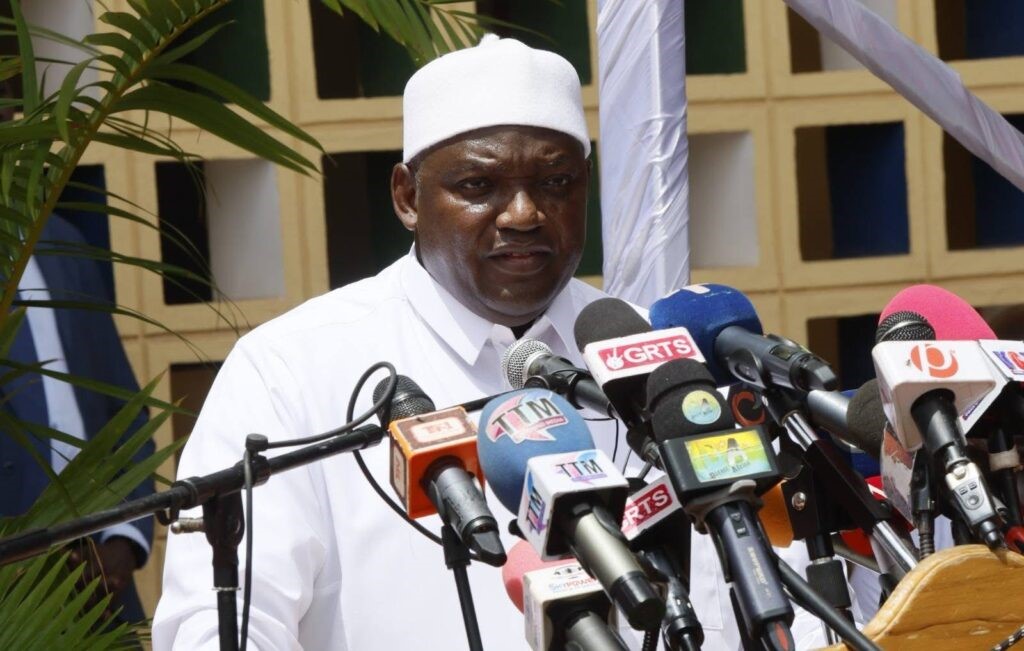
President Adama Barrow Friday commissioned Gambia’s first modern food and drug testing laboratory calling it a “red-letter day” for the country’s health sector and marking a major step in strengthening national regulatory capacity.
The new National Food and Drug Quality Control Laboratory, funded by the World Bank, is the first dedicated facility of its kind in the country and is expected to significantly improve food and medicine safety standards.
President Barrow says the laboratory aligns with the government’s National Development Plan “Yiriwa” and its vision of building a resilient and self-reliant health system.
He says the facility is equipped with advanced technology capable of detecting harmful substances and bacteria in food products, as well as verifying the safety and effectiveness of medicines used in the country.
Barrow recalled that prior to the 2022 Acute Kidney Injury (AKI) incident, The Gambia relied on testing laboratories abroad, including in India and Ghana, a system that often resulted in delays and increased public health risks.
He said the new laboratory would enable key institutions, including the Food Safety and Quality Authority and the Medicines Control Agency, to carry out testing and regulatory functions more efficiently.
The president stressed the need to remove unsafe food and counterfeit medicines from the market, urging regulatory agencies to intensify nationwide surveillance.
He also called on businesses to comply with safety standards, saying regulations should be seen as tools for facilitating trade rather than obstacles.
Barrow announced that the government would pursue international accreditation for the laboratory, including registration with the WHO network of national control laboratories, and will train certified analysts and technicians to ensure effective service delivery.
He expressed gratitude to the World Bank and commended the Ministry of Health, led by Ahmadou Lamin Samateh, as well as contractors and engineers involved in the project.
The president says the laboratory represents a long-term investment in public health and a safeguard against future health crises, ensuring that food and medicines consumed in The Gambia meet required safety standards.
He formally declared the National Food and Drug Quality Control Laboratory open.
About The Author