By Annettee Camara
Legal experts, policymakers, and civil society leaders from West and Central Africa have concluded a three-day summit in Banjul focused on gender-based violence linked to climate change and digitalization.
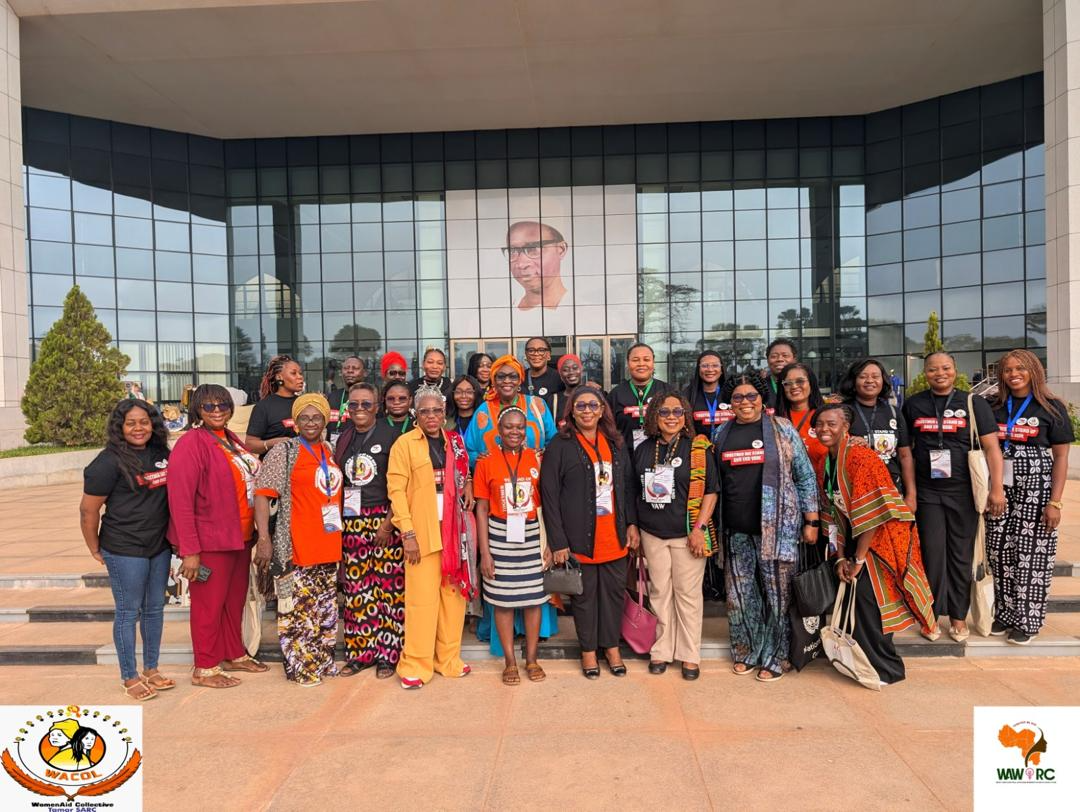
The Capacity Building and Advocacy Workshop, organized by UN Women and regional partners under the ACT Programme, brought together delegates from 13 countries to review findings from the Her Voice research project conducted in Cameroon, Ghana, Togo, and Nigeria.
The study highlights how environmental stress and rapid digital expansion are increasing risks for women and girls across the region.
Held alongside the 87th Ordinary Session of the African Commission on Human and Peoples’ Rights (ACHPR), the meeting ended with the adoption of a joint communiqué titled the “Banjul Declaration,” led by the West and Central Africa Women’s Rights Coalition (WAWORC) and the Women Aid Collective (WACOL), with support from the European Commission.
Participants said climate change does not directly cause violence but acts as a “risk multiplier” by worsening poverty and economic pressure in vulnerable communities.
“When climate change destroys agriculture, the economic pressure affects families first. Within patriarchal systems, men who are unable to provide may project their frustrations onto women,” said Ejiro Joyce Otive Igbozo of Emerald International Development Services.
Delegates reported that food insecurity, displacement, and economic stress are contributing to increased domestic violence in affected areas. Women and girls in internally displaced persons (IDP) camps were identified as particularly vulnerable to exploitation and abuse.
Cases of “sextortion,” where women are forced to exchange sex for food or aid, were also highlighted during the discussions. Women with disabilities were noted as facing heightened risks due to stigma and limited access to protection systems.
The summit also linked climate-related shocks to child marriage, with participants saying families under financial strain may withdraw girls from school or arrange early marriages as a coping strategy.
“In some fishing communities, declining fish stocks are creating harmful coping practices,” said Ghanaian delegate Susan Ayode. “Some women demand sex or even girls as repayment when fishermen cannot return borrowed support.”
Delegates further discussed the rise of technology-facilitated gender-based violence (TFGBV), including cyberbullying, online harassment, and digital sexual exploitation targeting young women.
Advocates warned that stigma and fear of exposure continue to prevent many victims from reporting abuse, allowing perpetrators to avoid accountability.
Participants stressed the importance of evidence-based policymaking, saying governments respond more effectively when policies are supported by credible data.
“Decision-makers trust evidence, not assumptions,” said Johnfolo Jobateh of the Women’s Association for Victim Empowerment (WAVE). “The Her Voice project provides the statistics needed to demand accountability.”
Gladys Mboya, a legal expert from Cameroon, said the workshop strengthened participants’ skills in documentation, advocacy, and legal engagement.
“For the past three days, we have learned how to document violence, strengthen advocacy, and develop action plans,” she said.
Justice Veronica Wright of The Gambia’s Court of Appeal also underscored the role of regional legal frameworks in holding governments accountable where national systems fall short.
The “Banjul Declaration” calls on African governments to criminalize technology-facilitated sexual violence, integrate gender protections into climate and digital policies, and ratify key regional treaties aimed at ending violence against women and girls.
Participants said the coordinated regional action plan represents a step toward stronger legal and policy responses to emerging threats affecting women and girls across Africa.
About The Author