By: Cecilia E.L Mendy
The Judiciary of The Gambia on Monday commenced a three-day foundational mediation training programme aimed at strengthening alternative dispute resolution mechanisms and improving access to justice across the country.
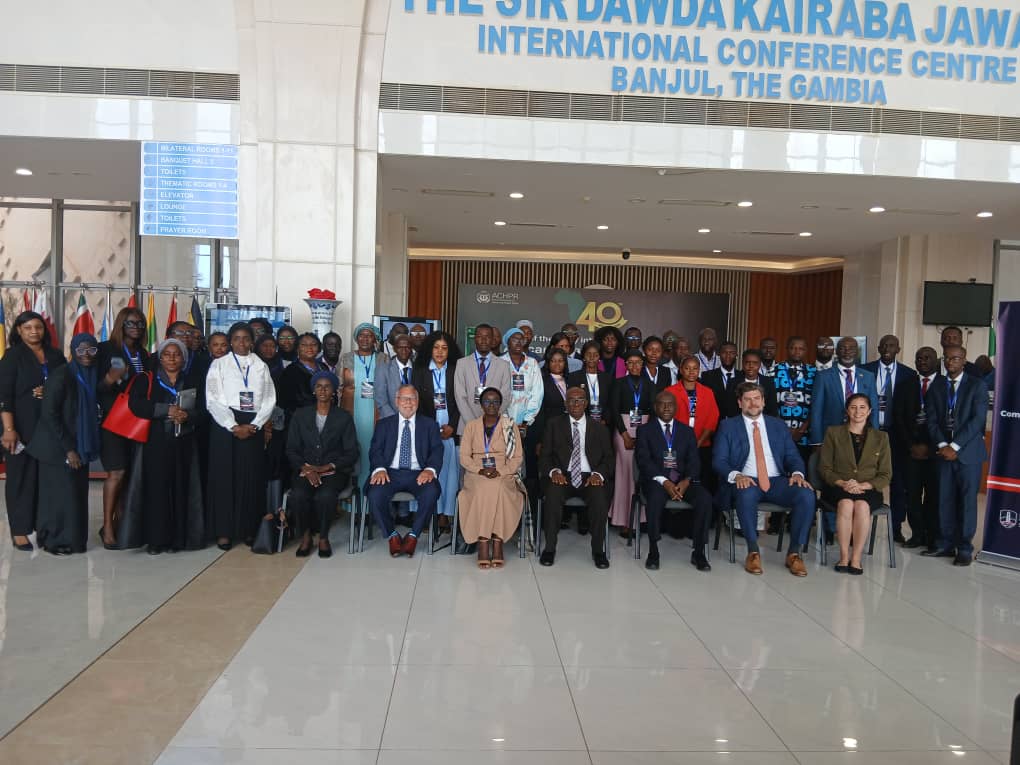
The training, organised in partnership with the Alternative Dispute Resolution Secretariat (ADRS) and Pepperdine University, is being held at the Sir Dawda Kairaba Jawara International Conference Centre.
Speaking at the opening ceremony, Chief Justice Hassan B. Jallow described Alternative Dispute Resolution (ADR), particularly mediation, as a key pillar in the Judiciary’s efforts to improve the administration of justice and reduce delays in litigation.
He said the Judiciary has over the years introduced several initiatives designed to equip legal professionals and community members with mediation skills to help resolve disputes before and during court proceedings.
“Mediation plays a very important role in expediting justice delivery and promoting amicable settlement of disputes,” Chief Justice Jallow stated. “We are looking forward to extending mediation training beyond lawyers to reach elders and community leaders so they can effectively assist in resolving disputes.”
The Chief Justice noted that many disputes at the grassroots level are often taken to community elders and influential personalities, stressing the need to provide them with proper mediation techniques to strengthen local conflict resolution.
Justice Jallow further explained that the current training places particular focus on commercial disputes as part of the Judiciary’s broader strategic plan to improve the handling of business-related cases.
He highlighted the establishment of the Commercial Division of the High Court as one of the Judiciary’s efforts to ensure specialised and efficient adjudication of commercial matters.
The Chief Justice also commended the Alternative Dispute Resolution Secretariat for its continued work in promoting mediation practices in The Gambia, while calling for stronger collaboration among stakeholders to deepen the culture of mediation within communities and institutions.
Meanwhile, Emily Gomez of the ADR Secretariat expressed optimism about the training programme, saying it would equip participants with new approaches to handling commercial disputes, which she noted are frequently brought before the Secretariat.
Gomez encouraged Gambians to embrace mediation as an alternative to lengthy court battles, describing it as more affordable, less time-consuming and confidential.
“One of the key advantages of mediation is confidentiality because many people prefer resolving disputes privately without exposing personal or business matters to the public,” she said.
The training forms part of on-going efforts by the Judiciary and its partners to strengthen alternative dispute resolution systems and promote faster, more accessible and community-based justice delivery in The Gambia.
About The Author