By: Fatou Krubally
Women journalists in The Gambia are playing an increasing role in shaping the country’s media landscape, expanding coverage of governance, human rights, health, education and social issues, media leaders said on World Press Freedom Day.
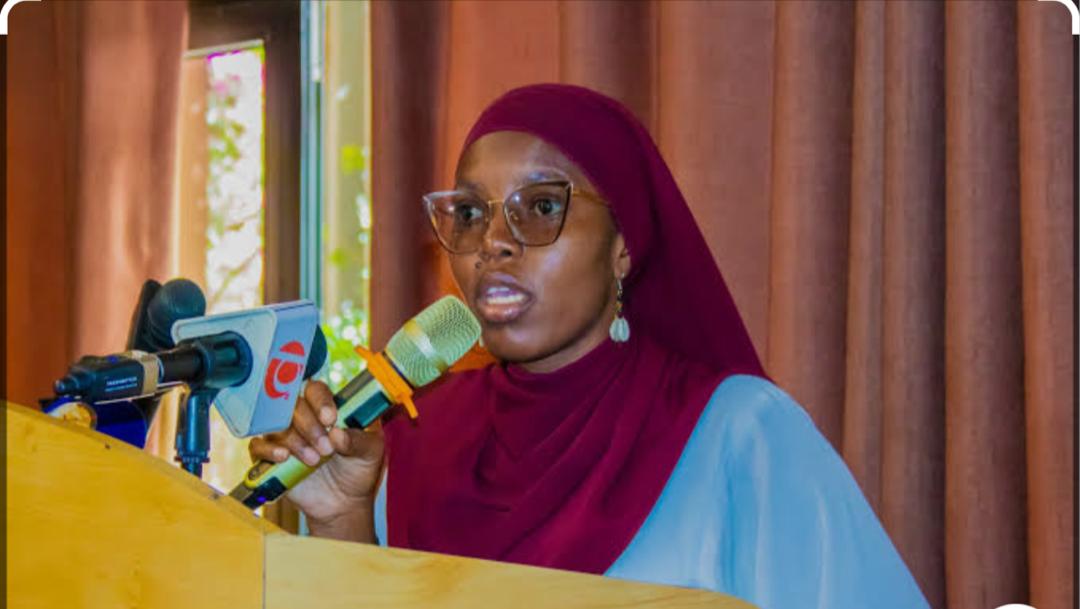
Isatou Keita, President of the Gambia Press Union, said women in journalism have contributed significantly to diversifying media content, particularly on issues that were previously underreported.
She noted that their presence has made the media more representative of society, but said challenges remain in terms of career advancement. According to her, workplace bias and limited leadership opportunities continue to affect women’s progression in news organisations.
Annette Camara, President of the Women Journalists Association of The Gambia (WoJAG), said women are increasingly taking on leadership and specialist reporting roles.
She said female journalists now report on politics, governance, climate change and human rights, beyond traditional “soft news” assignments. She added that training, mentorship and digital platforms have helped improve visibility, but called for stronger institutional measures to address harassment, unequal pay and discrimination.
On newsroom challenges, senior reporter Lolly M. Camara of QTV said women journalists continue to face difficulties accessing sources in male-dominated sectors, as well as safety risks and cultural pressures.
She said despite these constraints, women are contributing to more balanced reporting by bringing diverse perspectives to national issues.
At the Gambia Radio and Television Services (GRTS), senior reporter Dado Cham said there has been gradual improvement in the representation of women as both reporters and expert contributors.
She, however, noted that rural women remain underrepresented in mainstream coverage.
In the digital media space, Binta Jawo, founder of Basel Online Media, said independent platforms are helping to amplify grassroots stories.
She said her organisation focuses on underreported community issues and provides mentorship for young journalists, particularly women, to strengthen their confidence and skills.
Veteran community radio journalist Fatou Bojang said women have historically played a key role in raising awareness on issues such as female genital mutilation, child marriage and maternal health.
She said community radio has given rural women greater access to information and expression in local languages, adding that journalists should remain close to communities to identify relevant stories.
Overall, the women journalists said progress has been made in expanding women’s participation in the media sector, but stressed the need to strengthen protection, inclusion and equal opportunities.
They said sustaining these gains is essential to ensuring continued press freedom and more inclusive national dialogue in The Gambia.
About The Author