By Yunus S. Saliu
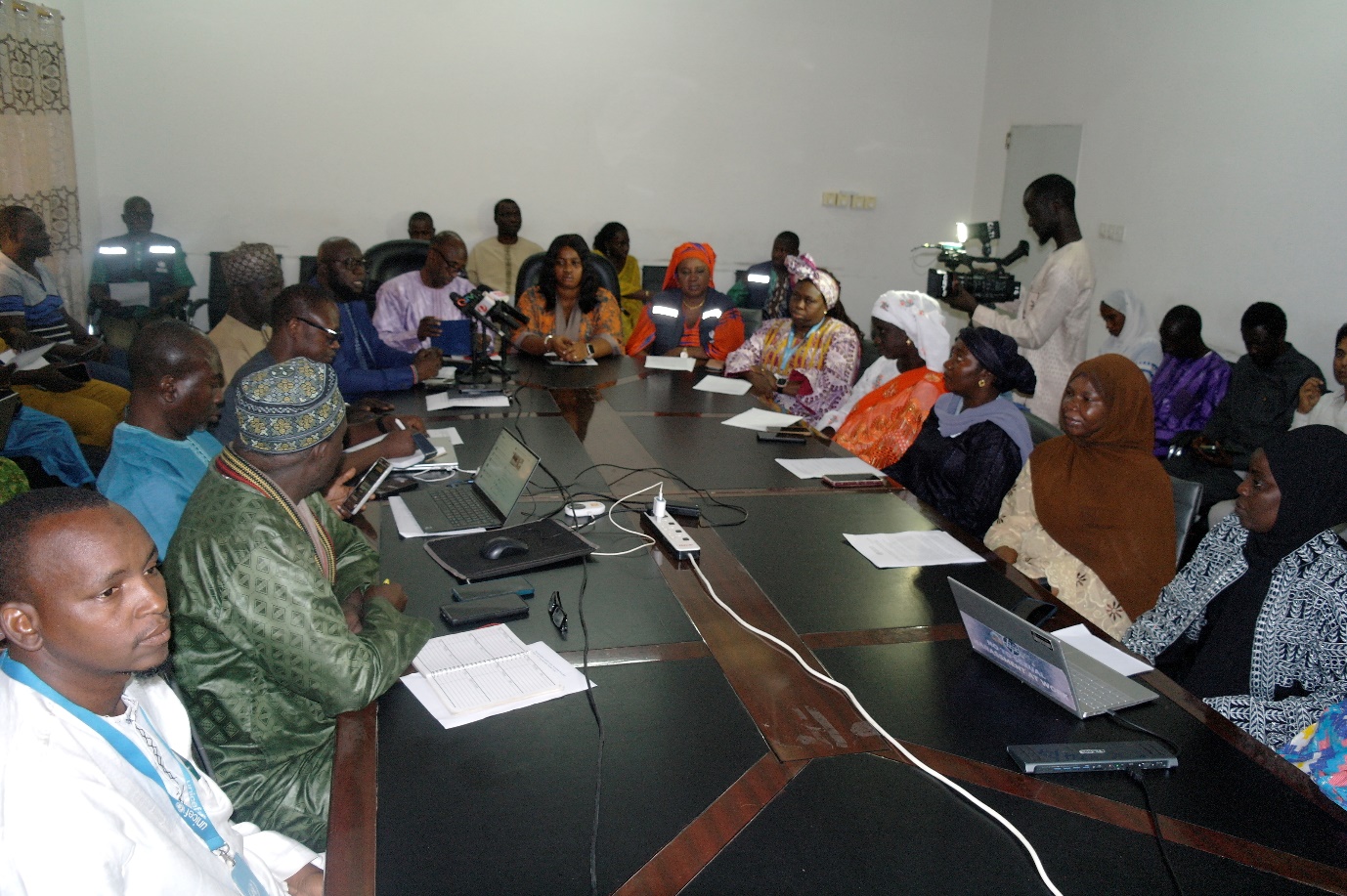
The Ministry of Health, in collaboration with development partners, on Friday launched Africa Vaccination Week 2026 at the EDC Hall of the Central Medical Stores in Kotu.
The ceremony brought together senior health officials, representatives of United Nations agencies, including the World Health Organization (WHO) and UNICEF, as well as officials from the Ministry of Basic and Secondary Education.
Africa Vaccination Week is observed annually in the last week of April to promote the importance of immunisation across the continent. It coincides with World Immunization Week, marked globally from April 24 to 30.
As part of activities in The Gambia, the week will include media engagements, community outreach and awareness campaigns to educate the public on the importance of vaccines.
Speaking at the event, EPI Project Manager Ba Sidat Fofana called for stronger collaboration with stakeholders to address misinformation and improve public confidence in vaccines.
He noted the growing spread of anti-vaccination messages on social media and stressed the need for sustained public education to counter rumours.
“We need your support to clear doubts, dispel rumours and build confidence in vaccination,” he said, thanking the media and partners for their continued support.
Speaking on behalf of UN agencies, Dr Oumie Jagne of WHO reaffirmed their commitment to supporting the Ministry of Health in protecting children, women and communities through immunisation.
“This week gives us the opportunity to renew our collective commitment to protecting every child, every woman and every community,” she said.
Dr Jagne said the 2026 theme, For Every Generation, Vaccines Work, highlights that vaccines provide protection throughout life and are not limited to childhood immunisation.
She noted cervical cancer prevention through the Human Papillomavirus (HPV) vaccine as a key priority, describing the disease as one of the leading causes of cancer-related deaths among women in The Gambia.
According to her, WHO and partners are supporting the vaccination of girls aged 9 to 13 years through schools, communities and military barracks.
She disclosed that in 2025, 47,208 adolescents were vaccinated against HPV in the country.
“The vaccine is safe, readily available, and a single dose provides protection,” she said, urging parents and communities to support the initiative.
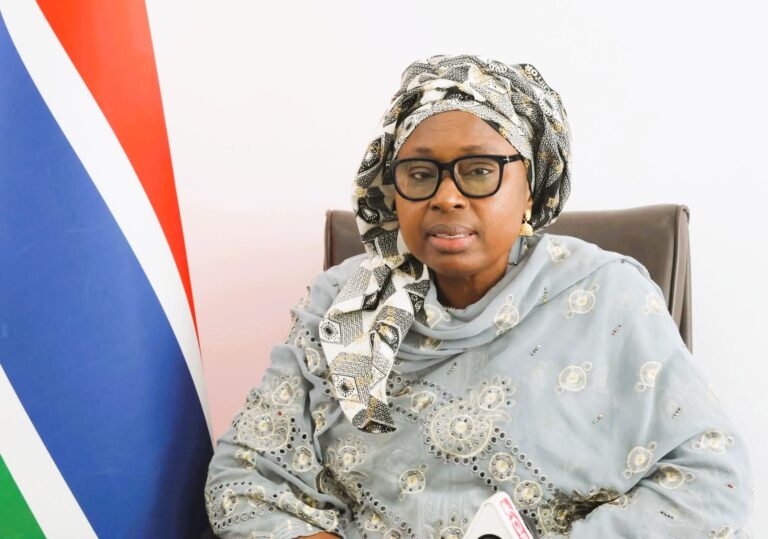
Officially launching the event on behalf of the Ministry of Health, Fatoumatta Koma described Africa Vaccination Week as a celebration of lives saved and futures protected through immunisation.
She said vaccines have significantly transformed public health, citing progress in reducing polio and measles cases, as well as the introduction of vaccines against HPV, malaria and pneumonia.
“Since 1979, when the Expanded Programme on Immunization began, vaccines have crossed every generation, every border and every community,” she said.
She, however, noted persistent challenges, including zero-dose children, difficult terrain and hard-to-reach communities.
“If vaccines are to work for the next generation, we must reach this generation, all of them, everywhere,” she added.
Koma thanked partners such as Gavi, WHO and UNICEF for their continued support, and commended frontline health workers for their dedication.
She also urged parents and caregivers to keep vaccination cards safe and ensure children complete their immunisation schedules.
“Together, we will make vaccines work for every child,” she concluded.
About The Author