By Fatou Krubally
A high-level security dialogue on the Sahel and West Africa has highlighted governance, security, and social inclusion as central pillars for achieving lasting stability in the region.
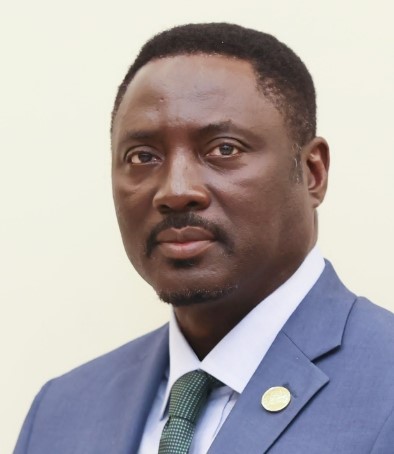
Speaking yesterday at the forum, Dr Mamadou Tangara, African Union High Representative and Head of the Sahel, said sustainable peace cannot be attained without the simultaneous provision of basic services, justice, and security.
He stressed that governance cannot be effectively established in the absence of security, noting that both elements must advance together for peace efforts to succeed in the long term.
Dr Tangara further underlined that inclusion is a strategic requirement rather than a symbolic gesture, stating that stabilisation efforts are unlikely to succeed without the meaningful participation of women, youth, local communities, traditional leaders, and religious authorities. He added that respect for local cultures, dignity, and community ownership remains essential for durable peace.
He also called for a shift in approach through the establishment of a “stabilization hub”, urging stakeholders to move beyond routine monitoring and reporting towards actively shaping conditions for sustainable peace, with greater emphasis on results and impact.
On partnerships, Dr Tangara advocated for a new model based on mutual respect, African-led priorities, shared analysis, and long-term institutional capacity building, rather than short-term outputs.
Regarding regional cooperation, he commended ECOWAS Commission President Dr Omar Alieu Touray for efforts to engage with the Alliance of Sahel States (AES), describing the situation as a “family matter” requiring collective action, particularly in addressing terrorism.
The remarks were made during a high-level workshop on strengthening security and stabilization in the Sahel and West Africa, which brought together regional and international partners to discuss coordinated responses to rising insecurity in the region.
About The Author