
By: Fatou Krubally
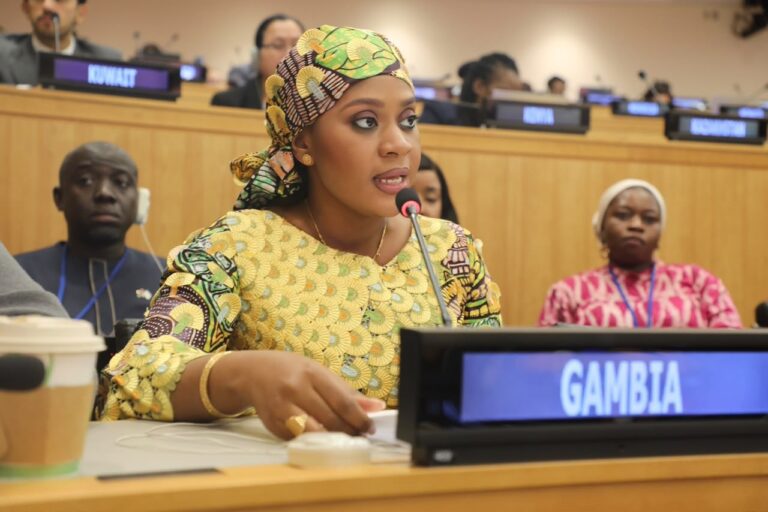
National Assembly Member for Kiang West, Hon. Lamin Ceesay, has painted a stark picture of life for ordinary Gambians, questioning whether official claims of economic progress reflect the reality faced by citizens on the ground.
Speaking yesterday during the debate on the 2026 State of the Nation Address (SoNA), Ceesay asked whether lawmakers and ordinary citizens are living in the same country.
“Sometimes I wonder… if some of us are living in Gambia and others are living in another Gambia,” he said, highlighting a growing disconnect between government reports and the daily experiences of citizens.
Ceesay argued that discussions of economic growth—GDP figures, inflation rates, and revenue collection must be measured against their actual impact on people’s lives.
“The fundamental question is, how has that impacted the life and livelihood of the people? How affordable is healthcare? Education? Social services?” he asked, drawing attention to communities struggling to access basic necessities.
Using vivid examples, he highlighted shortages of essential medical supplies, recounting how even routine injections had to be sourced from outside the country. He asked a pointed question: “What happens to the poor farmer in rural Kiang or Jarra who cannot access these services?”
The lawmaker also raised concerns about youth unemployment, sharing how a university graduate applied for a basic hotel job without success.
He said similar stories are repeated across the country, leaving young people frustrated and disillusioned.
Ceesay further criticised delays in operationalising the Anti-Corruption Commission, which Parliament approved in December 2025. Four months later, he says, the body remains non-functional, signalling a lack of political commitment to tackling corruption.
On infrastructure, he stressed that development projects must translate into meaningful benefits, connecting roads and public works to economic opportunities. “If you construct roads, they should link to economic activities,” he said.
He also challenged the narrow view of national security, insisting it should go beyond the absence of conflict to include access to food, healthcare, and social services. “How many people are going to bed hungry? How many can afford healthcare? Is that security?” he asked.
Ceesay concluded by urging the government to take citizens’ everyday struggles seriously. “This country needs better. The time will tell,” he said, underscoring the need for policies that make progress tangible for all Gambians, not just reflected in numbers.
Debate on the President’s State of the Nation Address continues at the National Assembly, with members scrutinising government performance across key sectors, from the economy to social welfare.
About The Author