The continued absence of persons with disabilities from The Gambia’s National Assembly is not just an oversight—it is a democratic failure. When an entire segment of the population is excluded from decision-making spaces, their needs, rights, and aspirations are inevitably sidelined.
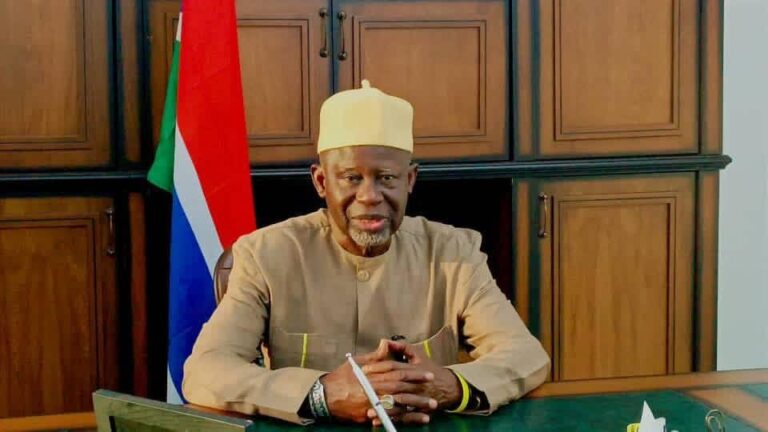
The Chairman of the National Organisation for the Disabled and Orphans (NODO), Lamin Manneh, recently voiced this concern, expressing disappointment that persons with disabilities remain unrepresented at the national legislative level. His concern is both valid and urgent. Empowerment cannot be reduced to projects and donor-driven initiatives; it must include political voice and representation.
While recent development programs supporting education and assistive technology for children with disabilities are commendable, they are not enough. These initiatives, though important, do not substitute for systemic inclusion. Without representation in Parliament, policies affecting persons with disabilities risk being designed without lived experience, weakening their effectiveness and sustainability.
Persons with disabilities constitute a significant portion of the population, yet none sit in the National Assembly to directly advocate for their interests. This reality contradicts national commitments to inclusion and equality. A Parliament that does not reflect the diversity of its people cannot fully serve them.
Beyond political exclusion, social attitudes continue to entrench discrimination. Many families still marginalize children with disabilities, denying them education and opportunities. This neglect often pushes them into street begging and lifelong dependency—an outcome that reflects societal failure rather than personal limitation. Disability, after all, is not inability.
Manneh’s call for greater awareness at family and community levels is therefore critical. With education, opportunity, and support, persons with disabilities can work, lead, and contribute meaningfully to national development. Their potential is not in question; society’s willingness to include them is.
The government must move from rhetoric to action. Strengthening the implementation of disability laws, increasing budgetary allocations, and ensuring inclusion in leadership and governance are not optional—they are obligations. Development that leaves behind a whole group of citizens is neither just nor complete.
True inclusion must be practical, visible, and measurable. Until persons with disabilities have a seat at the table where decisions are made, The Gambia’s democratic journey remains unfinished.
About The Author