By: Fatou Krubally
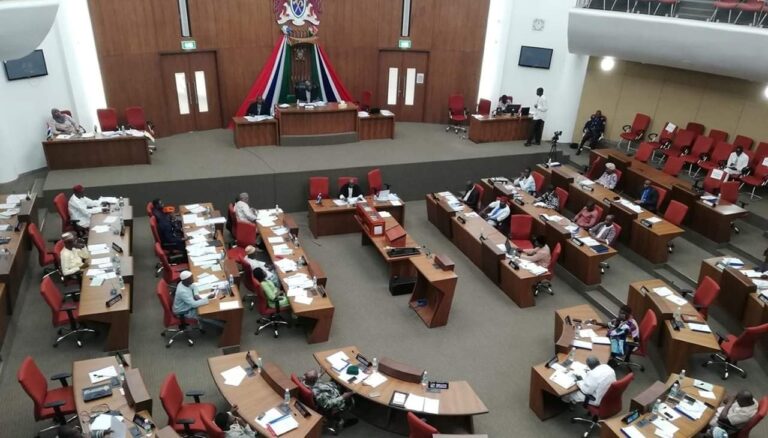
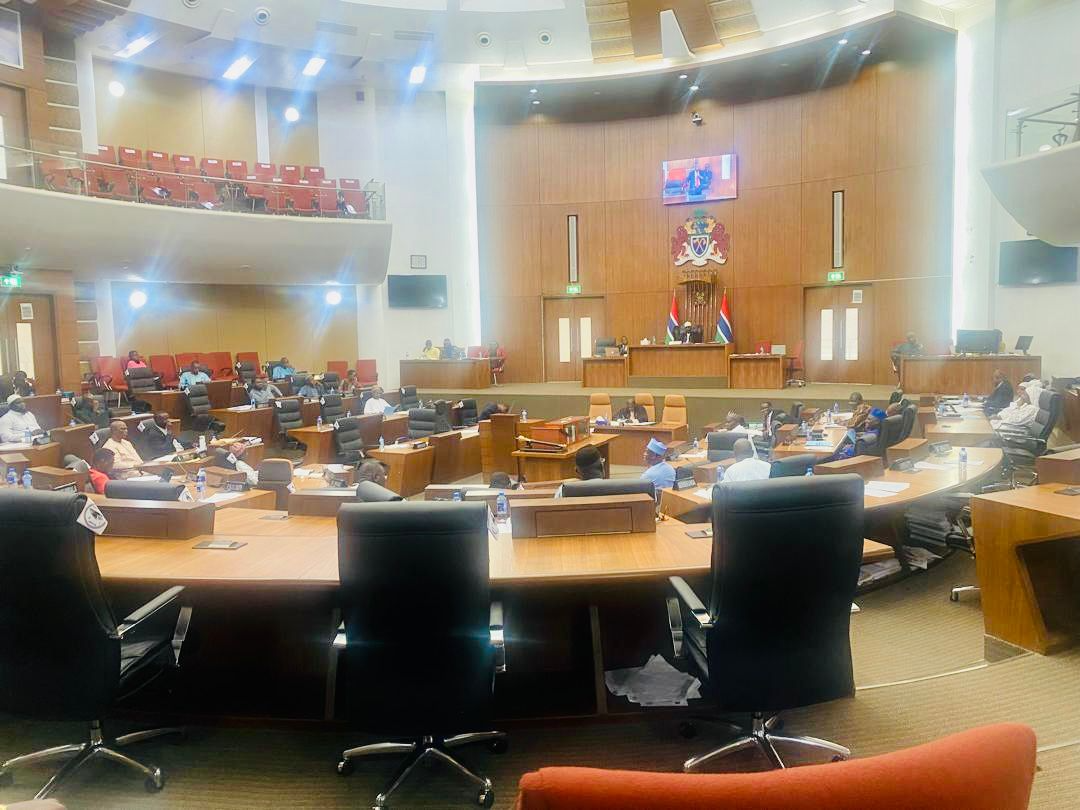
The Gambia’s National Assembly Monday completed the second reading of the Judicial Officers (Conditions of Service) Bill, 2025.
This followed a tense debate that exposed divisions over constitutional interpretation, judicial independence, and the scope of officers covered by the proposed law.
The bill, tabled by the Attorney General and Minister of Justice, seeks to replace the withdrawn Judicial Officers (Remuneration and Other Entitlements) Bill, 2024. It provides a framework for the conditions of service of judicial officers covering salaries, pensions, and post-retirement restrictions aimed at strengthening the independence and efficiency of the judiciary.
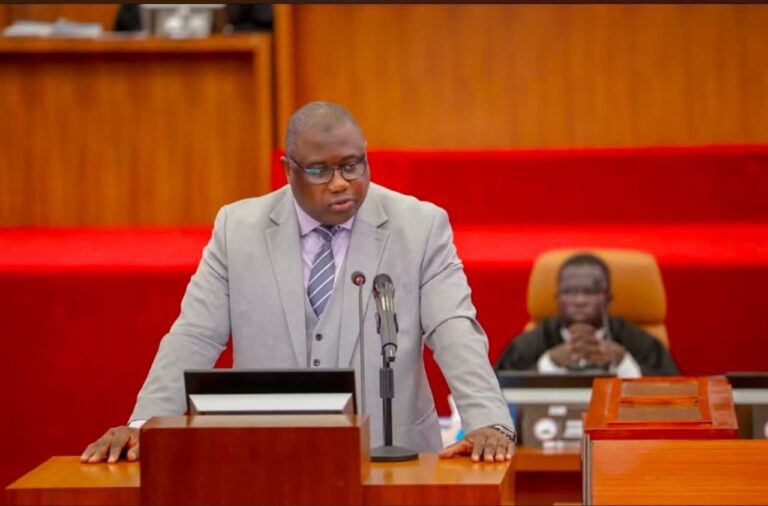
During the debate on the bill, Member for Banjul North, Modou Lamin Bah, urged colleagues to support the bill, stressing that it was parliament’s duty to provide a legal framework that enhanced judicial integrity. He said the assembly had the power to decide the figures set out in the schedule.
Minority Leader and Member for Brikama North, Alhagie S. Darboe, acknowledged progress compared to last year’s bill, noting that judges’ salaries were now expressly included. However, he questioned the shift from pensions based on “basic salary” to “monthly emoluments,” which would result in higher pay outs. He also sought clarification on why magistrates and other officers mentioned in the interpretation were absent from the schedule.
Other members echoed these concerns. Bakary Kora of Upper Fuladu West and Almaneh Gibba of Foni Kansala both described the bill as ambiguous, warning that its scope risked conflicting with constitutional provisions that specifically refer to judges. Gibba went further, labelling the draft “confusing” and urging a redraft before approval.
On the other hand, strong backing came from Samba Jallow of Niamina Dankunku, who argued that parliament had a constitutional duty to legislate for the judiciary just as it had done for itself under the National Assembly Service Act, 2022. Deputy Majority Leader Abdoulie Ceesay also pressed for approval, insisting that adequate remuneration was necessary to shield judges from external influence.
Responding, Attorney General Dawda A. Jallow conceded that the published schedule had inadvertently excluded magistrates, cadis, and other judicial officers. He assured members that a revised version would be circulated before the consideration stage, urging the Assembly to fast-track the bill given its small size and the judiciary’s longstanding lack of such legislation.
When put to a vote, the bill secured 28 votes in favour, four against, and two abstentions and was subsequently referred to the Assembly Business Committee in accordance with Order 68 of the Standing Orders.
The bill’s passage at second reading marks a crucial milestone in formalising judicial officers’ conditions of service. However, with concerns over scope, pension terms, and constitutional alignment unresolved, the next stage promises intense scrutiny before its final enactment.
About The Author