By Yunus S Saliu
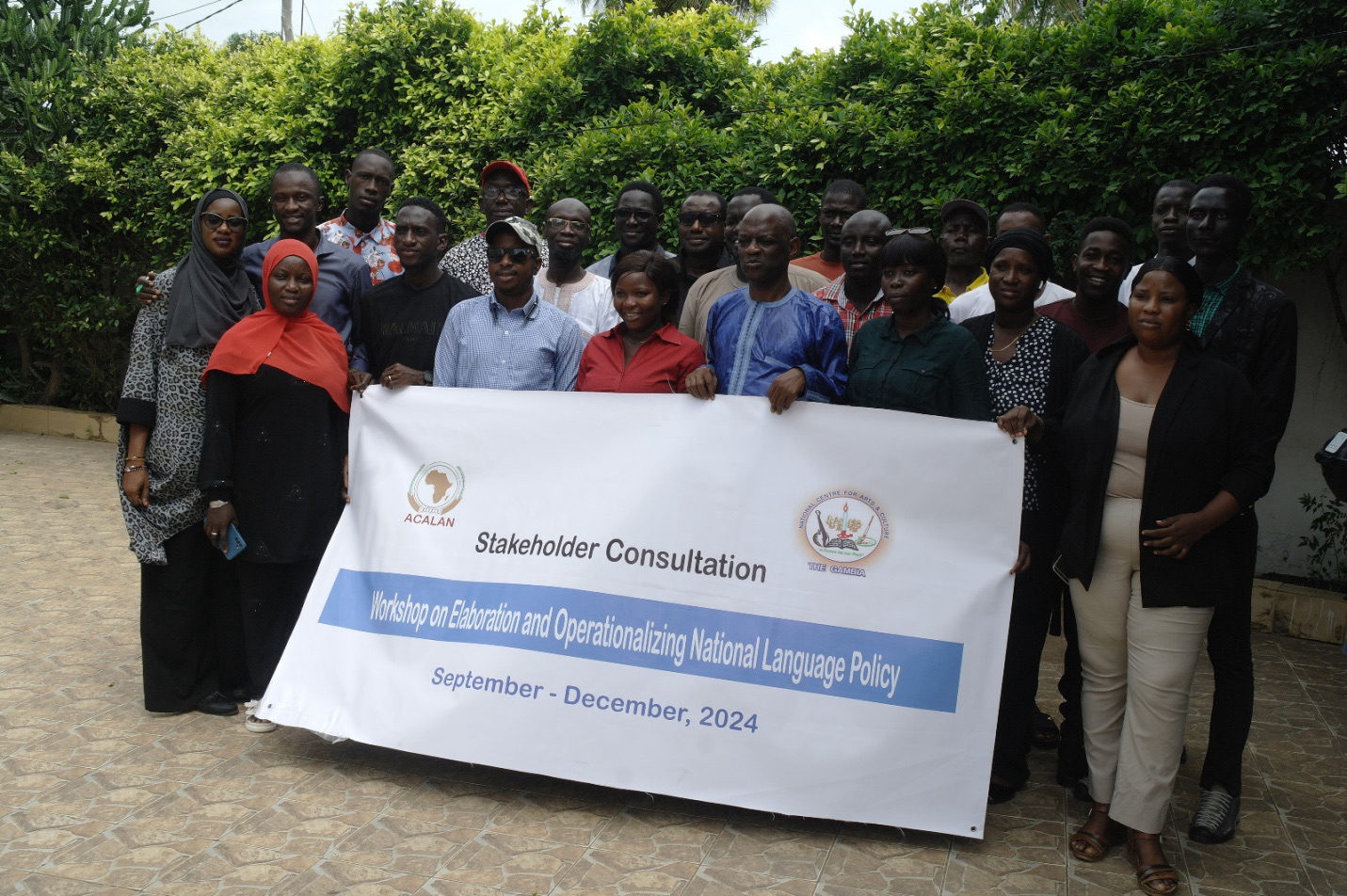
The National Centre for Arts and Culture (NCAC), in its efforts as the National Focal Point for the National Languages, with the support from the Academy of African Languages of the African Union (ACALAN) on Thursday engaged journalists to discuss the role of media in the elaboration of National Language Policy for The Gambia.
The daylong forum was held at the National Centre for Arts and Culture office, Fajara, while different units of media personnel from traditional and non-traditional media attended.
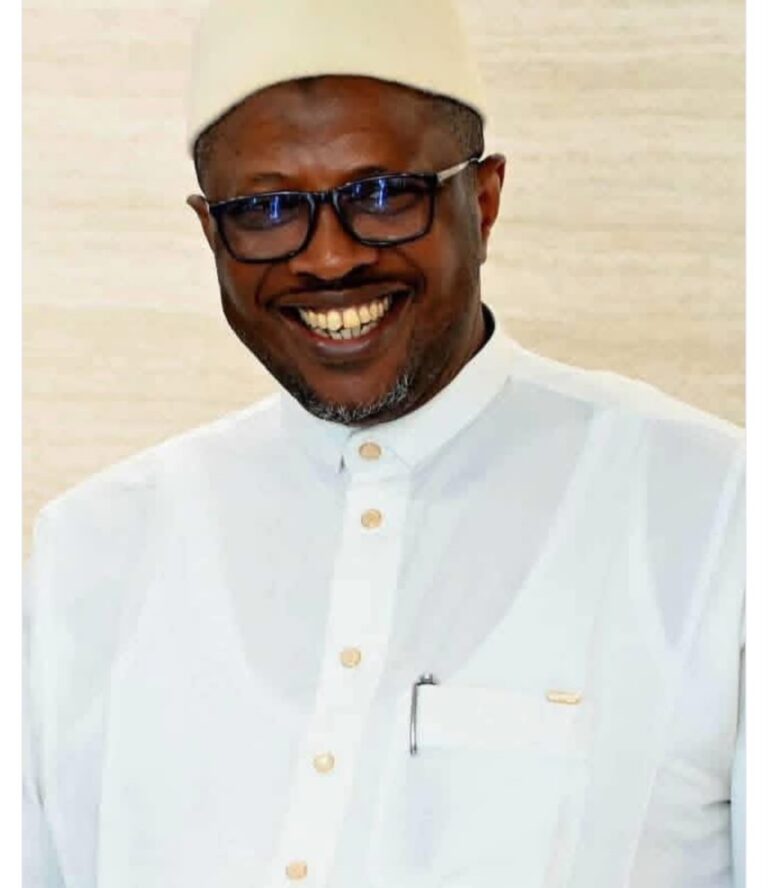
The National Focal Point for the National Languages Gambia, NCAC is supported by the Academy of African Languages of the African Union (ACALAN) to create awareness of the proposed National Language Policy and Language Development for The Gambia, “A logical step towards achieving a robust and responsive Policy Document on the use, valorization, and preservation of the country’s national languages,” HassoumCeesay, Director General of the NCAC stated in his opening remarks.
In brief, DG Ceesay gave an insightful background of the program saying in April 2023, the cabinet designated NCAC as the National Structure for National Languages to work with the Academy of African Languages of the African Union known as ACALAN towards the elaboration of a National Language Policy, and “In July 2023, the NCAC and ACALAN signed a contract for the activities leading to a National Policy Document within one year.”
Once again, he acknowledged the presence of every participant at the forum and emphasized their fruitful discourse, and recommendations for the elaboration of the National Languages Policy taking into consideration their different arms including print, TV, radio station, online media, and content creation will be highly appreciated.
Moving on, the NCAC Director General disclosed their ongoing efforts in past months noting that they have consulted with different stakeholders across the trades to elicit opinions as to the priorities of such a Policy, its format, content, and how to operationalize it when it is ready and “now it is the turn of the media to share with us their opinions on this important issue.
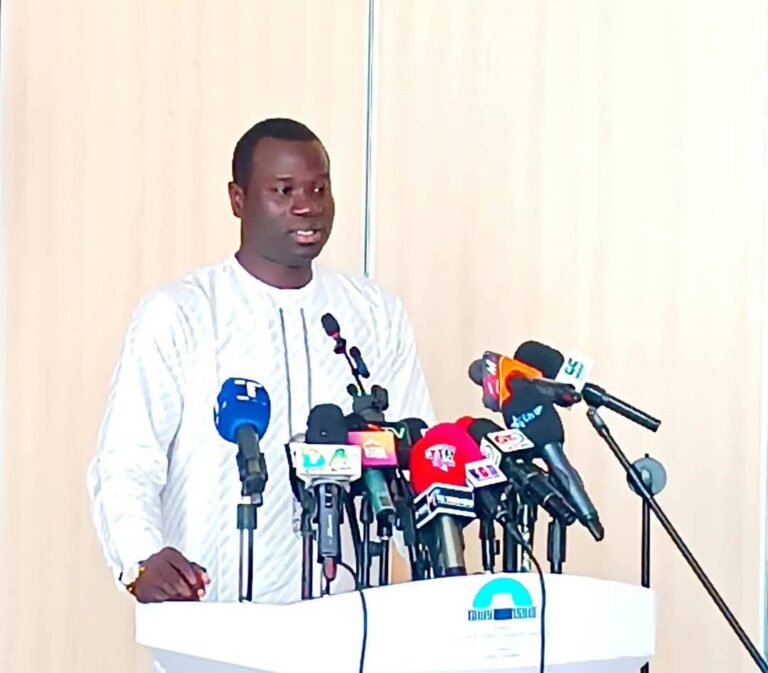
Delivering a keynote address on ACALAN, and empowering National Languages, Dr Lang Fafa Dampha, Executive Secretary of the African Academy of Languages, African Union expressed his pleasure to speak at the workshop focusing on the role of the media in the elaboration of the national language policy of The Gambia, which is being held within the context of implementing the African Union’s language plan of action for Africa.
He expressed gratitude to Honorable Abdoullahi Jobe, Minister of Tourism, Arts, and Culture (MOTAC) of The Gambia, for the efforts his ministry is making in the cultural empowerment of the nation, and also thanked the National Assembly of The Gambia for designating the National Center for Arts and Culture, as ACALAN focal point in the Gambia.
In an extension, the Executive Secretary of ACALAN thanked former Minister of MOTAC Honourable Hamat NK for effectively facilitating the process, congratulating HassoumCeesay, Director General of NCAC for his remarkable efforts in developing and promoting the cultural sector, “which is the backbone of our nation.”
“ACALAN is the African Union’s specialized institution mandated to empower African languages, to develop and promote African languages as a factor of African integration and development. It is responsible for empowering African languages by encouraging the formulation and implementation of dynamic and articulated language policies, as well as the sharing of experiences in policy making and implementation in the African Union member states as a means of using African languages in a wider range of domains,” he explained.
He continued that the theme of the workshop is for participants to reflect on the role of the media in participating and even leading, in identifying the challenges and opportunities relating to the development of language policies as a means of empowering African languages and promoting their use as a factor of national development.
“A Language Policy, as we all know broadly, consists of laws, ideas, regulations, rules, and practices whose objective is to achieve a change of language used in society. It is a complex socio-cultural process that involves human interaction, negotiation, and production mediated by relations of power. It is based on the beliefs about the languages and the use of these languages, the media with specific reference to the collective entity of newspapers, radio, television, and the International Network, internet play important role In national development,” he noted.
More so, he said, the role of the media in national development lies in its capacity and capability to teach, sensitize and mobilize people through information dissemination.
Speaking earlier, Ronald Williams, Director of Finance AndAdmin at NCAC welcomed the participants while urging for their full participation which is very essential taking into consideration the importance attached to the processes of developing a national language and policy document.
About The Author