
By Dawda M. Jallow
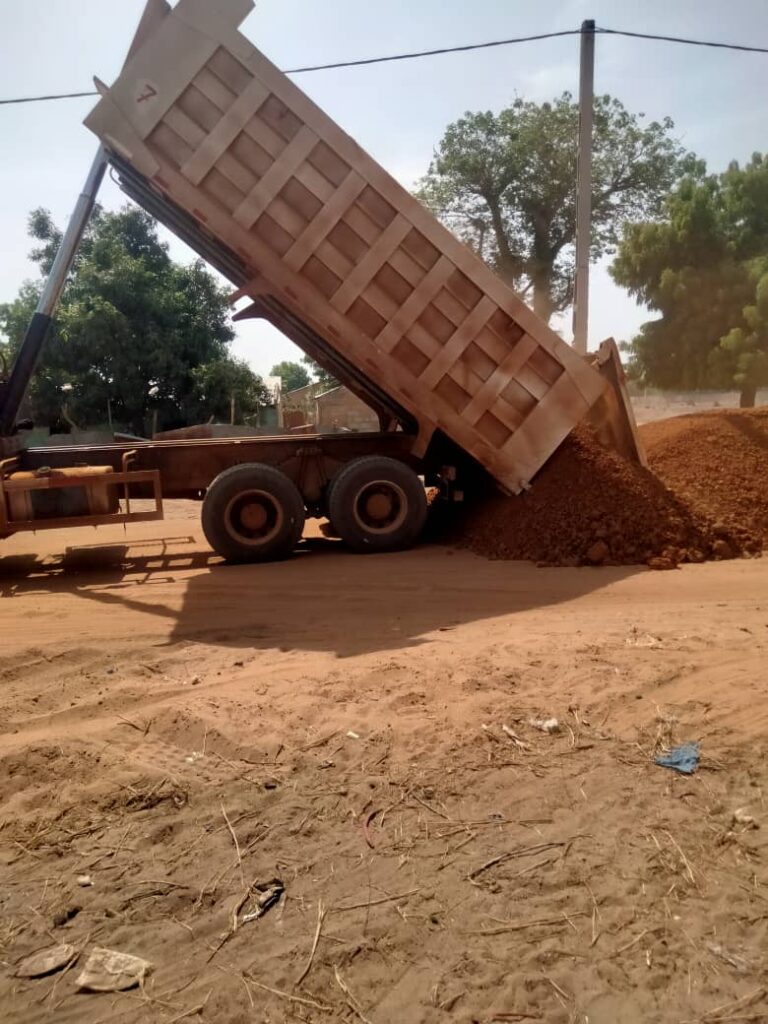
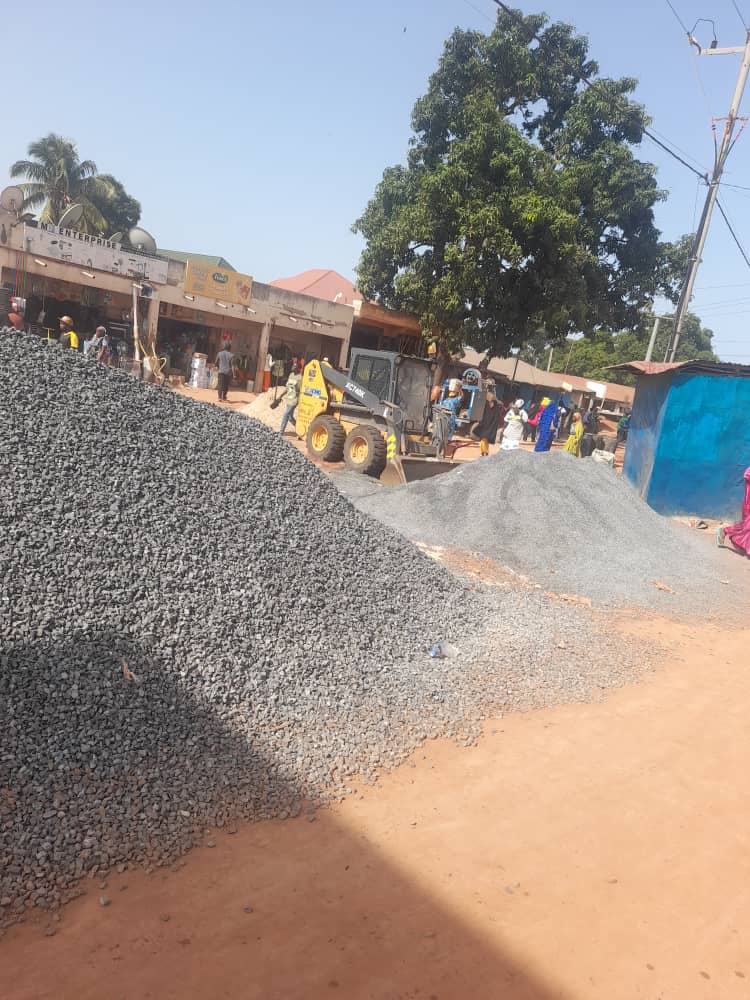
Drivers and commuters using the Sanyang-Gunjur highway have expressed concern over delays in the ongoing road rehabilitation project.
They say the onset of rainy season has worsened transportation challenges and affected their livelihoods.
In separate interviews, commercial drivers operating from car parks in Sanyang, Jalambang and Kitty urged the National Roads Authority (NRA) to expedite work on the highway, which they described as a key transport corridor in the West Coast Region.
Ba Dembo, a taxi driver at Sanyang car park, said the incomplete road works have forced motorists to rely on alternative routes that have become increasingly difficult to use following recent rains.
“As the rainy season begins, drivers are finding it difficult to come to work because we have been relying on alternative roads. Many of those routes are now flooded and inaccessible,” he remarked.
Dembo notes that the highway is used daily by a large number of commercial vehicles and serves as an important link for communities in the area.
Sulayman Trawally, a driver from Jalambang Garage, said the prolonged construction works have disrupted transport services and reduced drivers’ earnings.
“This project should have been completed before the start of the rainy season because the highway is a major route used by many drivers every day,” he said.
According to Trawally, drivers have endured transportation difficulties for several months due to the ongoing rehabilitation works.
“It has been four to five months and we are still facing challenges transporting commuters. This is our source of livelihood, and the unfinished road makes our work more difficult, especially during the rainy season,” he added.
He also called for greater attention to roads serving major commercial centres, noting that Brikama remained one of the country’s busiest trading hubs.
Lamin Daffeh, a driver from Kitty car park, said the delays have negatively affected the income of many transport operators.
“Driving is our source of livelihood. When roads are in this condition, it affects our ability to work and support our families,” he said.
While acknowledging the importance of infrastructure development, Daffeh questioned why the rehabilitation works were not completed before the rains.
“These roads have been in poor condition for years, and this is the first major rehabilitation project we have seen. For more than 15 years of driving on this route, every rainy season has brought similar challenges,” he remarked.
Commuters also expressed concern over the impact of the road works on public transportation services.
Kumba Jallow, a resident of Jalambang, said many drivers now terminate their journeys around Mahaad and Tawfic Islamic School because they are unable to access the main car park due to flooding and poor road conditions.
“People are forced to walk long distances to reach markets and other destinations because vehicles cannot get to their usual stopping points. The authorities should speed up the project to avoid further delays,” she said.
Another commuter, Ramata Njie of Sanyang, says transport services have become less reliable since the rehabilitation works begin.
“Many drivers stop operating as early as 5 p.m. because of the condition of the road. It has become difficult to find transport home in the evenings,” she lamented.
Drivers and commuters alike have appealed for accelerated work on the Sanyang-Gunjur highway to ease movement and minimize disruptions to economic and social activities in the affected communities.
About the Author