
By Haddy Touray
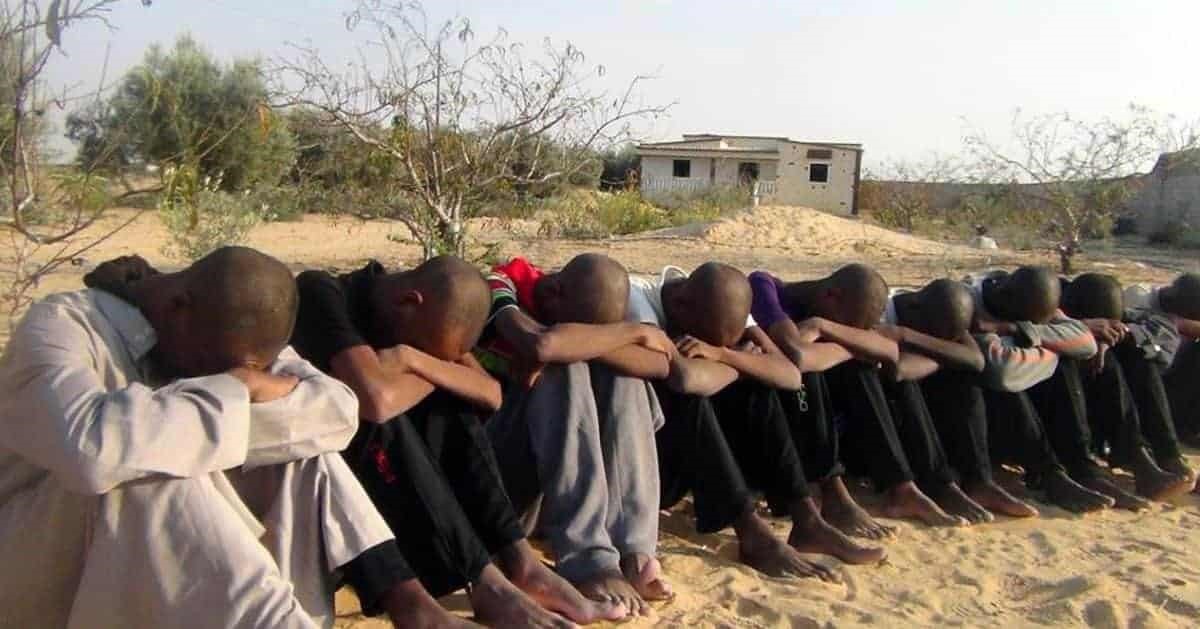
A human rights watchdog has warned that trafficking networks operating in Libya continue to exploit Gambian migrants attempting to reach Europe, accusing Libyan authorities of failing to dismantle what it describes as a system of detention, extortion and abuse targeting African migrants.
In a statement obtained on Monday, the Human Rights Association (HRA) said Gambian nationals travelling through Libya remain exposed to arbitrary detention, torture, sexual violence and ransom demands by traffickers and armed groups operating in the country.
The organisation called on Libyan authorities to release all Gambian nationals held in arbitrary detention, dismantle trafficking networks operating within their territory, and strengthen cooperation with the United Nations to improve migrant protection.
The HRA said the system it previously documented, alongside the United Nations and other rights groups, remains unchanged despite repeated international concern.
“The detention facilities are the same. The traffickers are the same. The ransom demands directed at families in Banjul and the regions are the same,” the statement said.
According to the HRA, Gambian migrants travelling through the Sahara route are often intercepted by armed groups and traffickers who demand payment from families in exchange for release.
The organisation cited the case of a migrant identified as Lamin, who reportedly left Banjul in early 2025 after the collapse of his business in search of better opportunities in Europe.
It said he was intercepted shortly after entering Libya and taken to a detention facility in the western region, where he was held alongside migrants from West and Central Africa.
His family reportedly paid a ransom, but he was later transferred to another group that demanded additional payment.
“He spent four months in Libyan detention before finding a means of escape,” the HRA said, adding that he later crossed the Mediterranean on an overcrowded boat and reached Europe.
The organisation also highlighted the case of Fatou, a young woman from Brikama, who was reportedly separated from her group at a checkpoint in southern Libya.
According to the HRA, she was held in a trafficking house, subjected to repeated sexual violence and forced labour without pay.
Her family was reportedly unable to raise the ransom demanded for her release.
“She was eventually deported to Niger, from where she was assisted in returning to The Gambia,” the statement added.
The HRA said both cases reflect a broader pattern of abuse against Gambian migrants in Libya, driven by unemployment, economic hardship and irregular migration pressures.
It also criticised continued European Union support for the Libyan coast guard, arguing that intercepted migrants are often returned to detention systems where abuses occur.
The organisation urged the European Union to make future assistance to Libya conditional on independently monitored improvements in migrant protection and detention conditions.
HRA chairman Saad Kassis-Mohamed described the situation as “a system designed to profit from desperation,” adding that Libyan authorities have the capacity but not the will to dismantle trafficking networks.
“The obligation to do so is not contingent on their willingness. It is a matter of international law,” he said.
About the Author