
By: Binta Jaiteh
Despite The Gambia’s steady progress in education, healthcare, infrastructure and digital connectivity, thousands of deaf citizens remain structurally excluded from national development due to persistent communication barriers, the Gambia Association of the Deaf and Hard of Hearing (GADHOH) has warned.
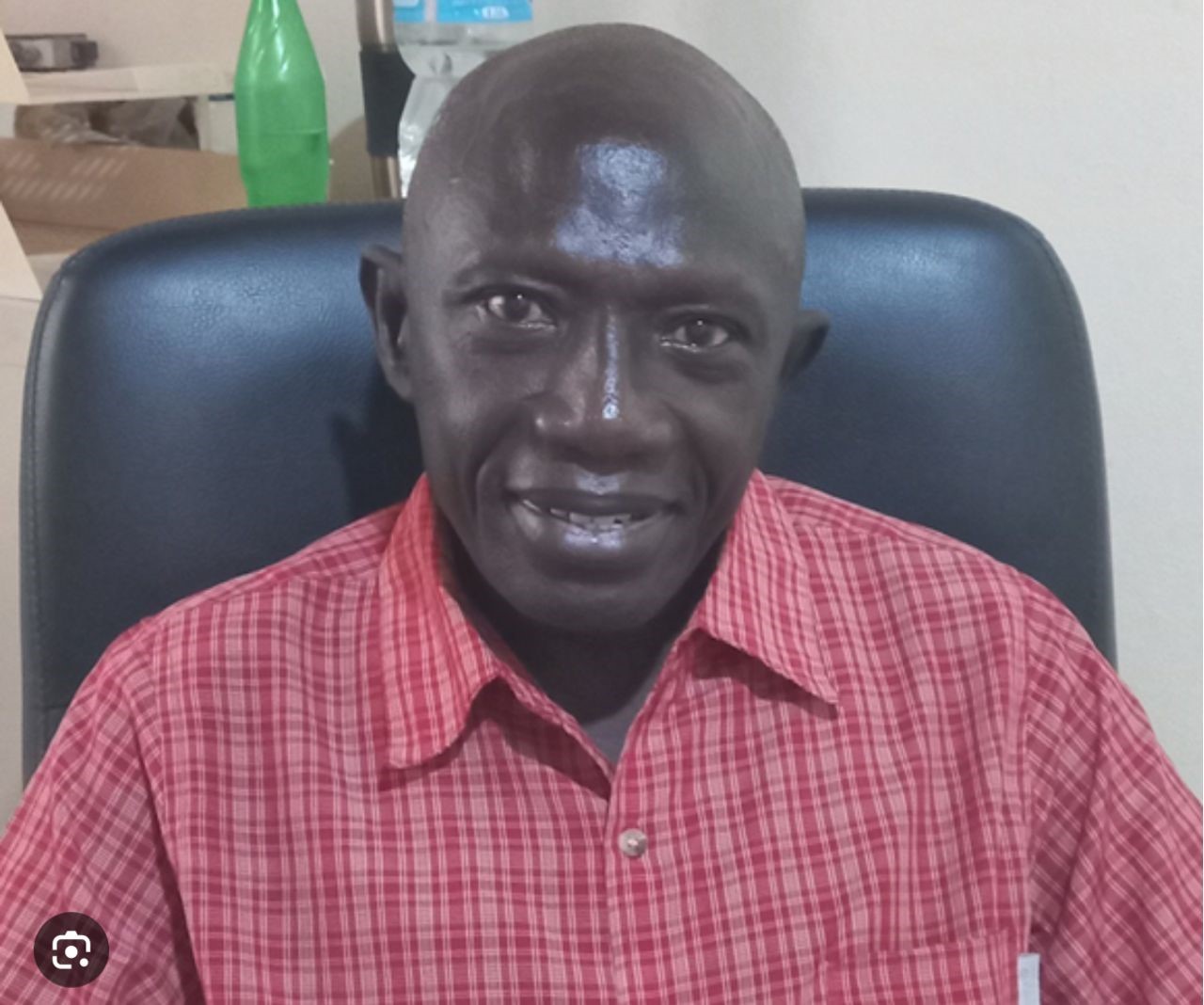
Speaking on the challenges faced by persons with hearing impairment, the Executive Director of GADHOH, Dodou Loum, says the absence of a fully developed and widely adopted sign language system continues to lock many deaf Gambians out of education, employment, and essential public services.
According to him, while national development indicators show improvements across multiple sectors, these gains remain unevenly distributed, with persons with disabilities—particularly those with hearing loss—struggling to access opportunities that others take for granted.
He notes that communication remains the most significant barrier, arguing that without structured and institutionalized sign language services, inclusion policies risk remaining theoretical rather than practical.
Loum explains that many deaf individuals are unable to fully benefit from schools, hospitals, workplaces, and government services due to the lack of trained interpreters and limited recognition of sign language across institutions.
He stresses that this communication gap has contributed significantly to rising levels of illiteracy, unemployment, and poverty among deaf communities, particularly young people who are unable to access quality education or vocational training.
“The barrier that appears impossible to remove is simply the lack of sign language promotion and utilization,” he stated, underscoring that communication remains at the core of exclusion faced by persons with hearing loss.
The GADHOH Executive Director acknowledges that The Gambia has taken important steps in advancing disability rights, including ratifying international conventions and enacting the Disability Act 2021. However, he notes that implementation gaps remain wide.
He argued that despite these legal and policy frameworks, many deaf Gambians have yet to experience meaningful improvements in their daily lives, particularly in education, healthcare access, and employment opportunities.
About the Author