
By: Dawda M. Jallow
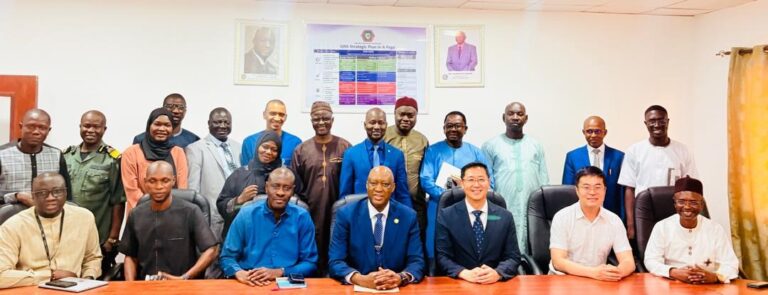
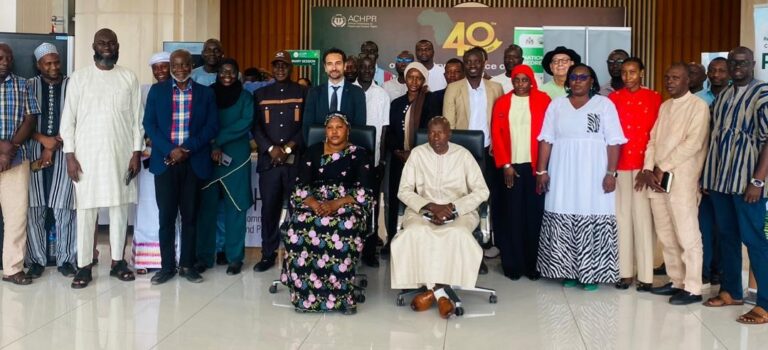
The Gambian government Thursday organized a sensitisation workshop on the Grievance Redress Mechanism (GRM) aimed at improving accountability and responsiveness in donor-funded development projects across The Gambia.
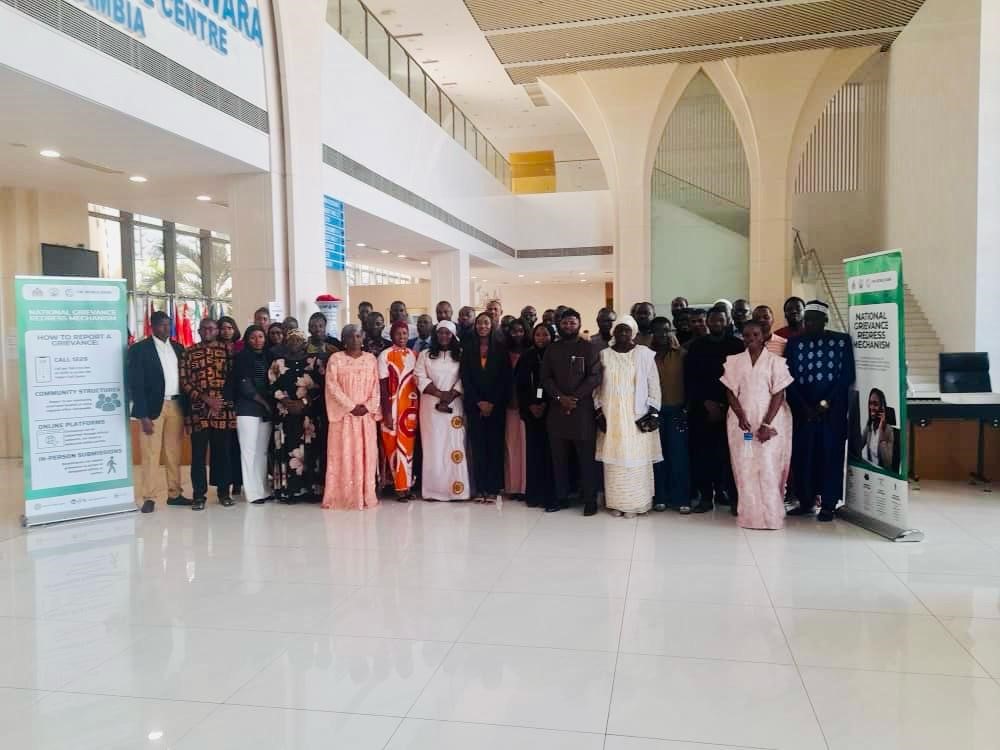
The Central Project Coordination Unit (CPCU) has spearheaded the sensitisation workshop which was held at the OIC Conference Centre under the Ministry of Finance and Economic Affairs (MoFEA).
It brought together key stakeholders involved in major national projects including the Resilience, Inclusion, Skills and Equity (RISE) Project, the Gambia Infrastructure Project (GIP), and the Public Administration Modernization Project (PAMP).
CPCU which coordinates multiple donor-supported interventions across government ministries said the initiative is intended to streamline project implementation, improve resource use, and strengthen knowledge sharing among partners.
Speaking at the opening, Executive Director of the National Protection Agency, Saikou Jeng, says the projects are already contributing significantly to national development by improving livelihoods, resilience, and opportunities for vulnerable groups.
He stressed the importance of having clear and accessible grievance channels for beneficiaries to raise concerns and receive timely responses.
“The National Grievance Redress Mechanism is not just a complaints-handling tool, but a national accountability platform,” he says, adding that it allows concerns to be properly received, processed, and resolved within project structures.
Jeng noted that grievances should not be seen as disruptions but as useful feedback that can help improve service delivery and address gaps in implementation.
Project Coordinator at CPCU, Anta Taal, said the workshop brought together stakeholders from different projects to strengthen understanding of grievance systems and improve coordination.
She says effective grievance mechanisms are essential for good governance, transparency, and public confidence in development programmes.
According to her, while such systems already exist, challenges remain, including low awareness among communities, unclear reporting channels, and limited access for vulnerable groups.
“These gaps, if not addressed, can weaken trust and reduce the impact of our interventions,” she warned.
A representative from the World Bank, Lamin Darboe, reaffirmed the institution’s support for strengthening grievance systems in The Gambia, particularly those that are inclusive and accessible to women, youth, and persons with disabilities.
He notes that continued coordination and institutional commitment are necessary to ensure that beneficiary feedback is fully integrated into project implementation.
The workshop ended with calls for stronger collaboration among stakeholders to ensure that grievance mechanisms become more effective and trusted at community level.
About the Author