
By Haruna Kuyateh
Local authorities in Lower Badibou have commended the government for ongoing infrastructural developments, particularly the construction of the 24.5km road linking Njawara to Minteh Kunda.
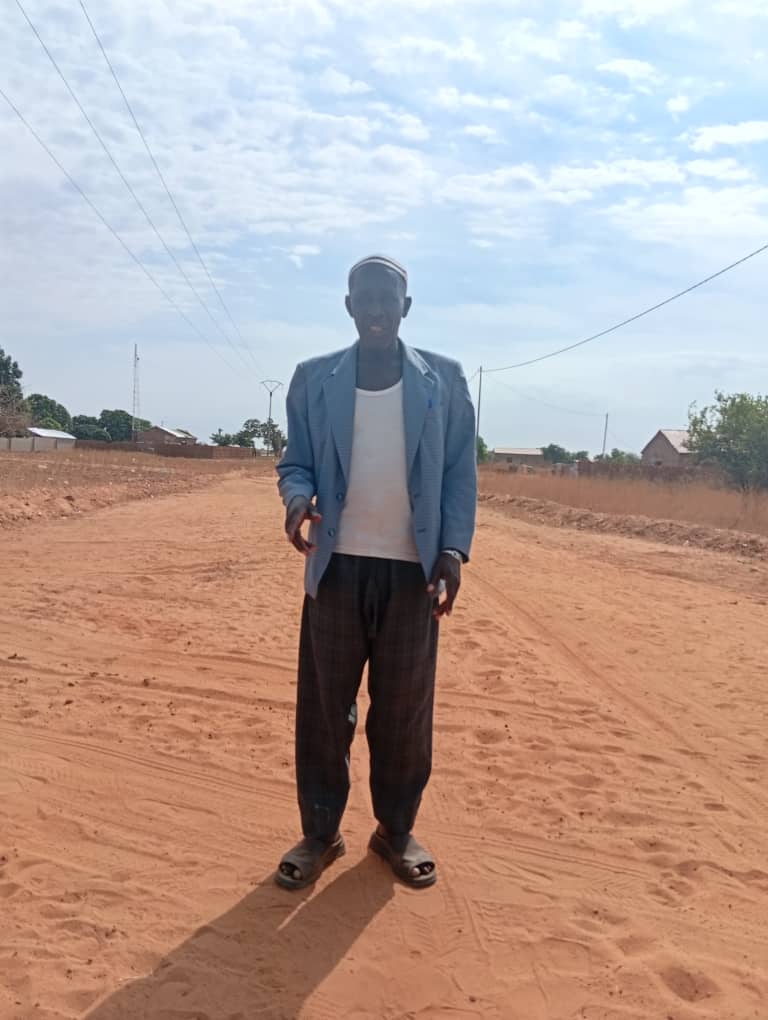
Speaking to journalists on Saturday in Kerr Ardo, Alkalo Salifu Jallow, who also serves as Secretary of the Lower Badibou Alkalolu Association, praised the administration of President Adama Barrow for what he described as unprecedented development in the district since 2017.
He cited improvements in electricity expansion, healthcare delivery, agriculture, education and road connectivity as key interventions that have significantly transformed livelihoods in the area.
President Barrow is expected to lay the foundation stone for the Njawara–Minteh Kunda road on 28 March, although construction works have already commenced under the Gambia Inclusive Resilience and Agricultural Value Chain Development (GIRAV) project, funded by the World Bank and the Government of The Gambia.
Jallow noted that the road will link several communities in Lower and Central Badibou, facilitating the transportation of agricultural produce to markets, including the weekly market at Kerr Pateh Koreh and beyond.
He added that residents in the district had long faced difficulties accessing basic social services due to poor road conditions, especially during the rainy season, when transport costs increased and alternative routes had to be used.
On electricity expansion, Jallow said rural electrification has brought significant socio-economic transformation to communities, noting that many villages are now being connected to the national grid for the first time.
He, however, called on the government to extend electricity to remaining communities yet to be connected, stressing that access to power would enhance security, boost livestock production and promote local enterprise development.
On education, a retired head teacher in the area commended the construction of modern classroom blocks through government collaboration with the MRC Holland Foundation, describing it as a major step towards improving teaching and learning conditions.
He added that the upgrading of schools to basic cycle and senior secondary levels has enabled more rural students to excel in both academic and technical subjects.
Jallow further highlighted improvements in healthcare, particularly the introduction of community ambulance services, which he said have enhanced emergency response and referral systems.
He recalled that in the past, patients, including pregnant women, were transported to health facilities using horse carts, often leading to delays in accessing professional medical care.
About the Author