

By: Fatou Krubally
President Adama Barrow on Tuesday officially launched the WACA Livelihoods Improvement Programme, a five-million-dollar initiative aimed at strengthening livelihoods and building climate resilience for communities along the Kotu Stream.
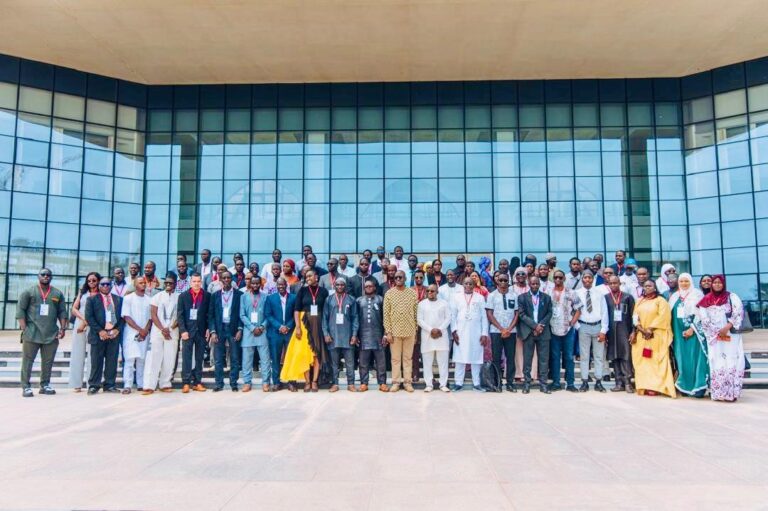
The launch, held at the Sir Dawda Kairaba Jawara International Conference Centre, forms part of the $45 million World Bank-funded West Africa Coastal Areas (WACA) Resilience Investment Project II, being implemented by the Ministry of Environment, Climate Change and Natural Resources.
The Livelihoods Programme targets 4,000 beneficiaries, with priority given to women, youth, and persons with disabilities, whose livelihoods have been severely affected by recurrent flooding, environmental degradation, and climate change impacts in the Greater Banjul Area.
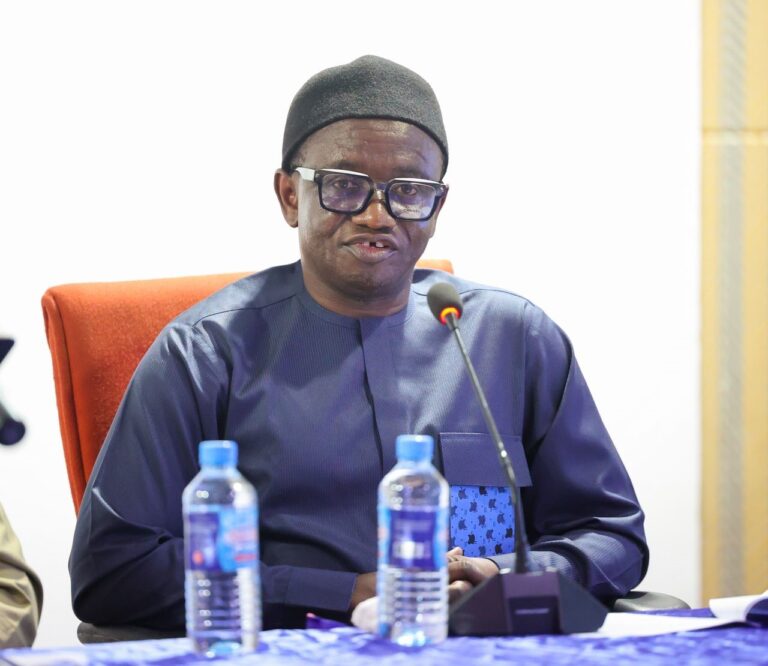
Speaking at the ceremony, President Barrow recalled the devastating floods of 2022, which claimed lives and displaced thousands, particularly in densely populated areas around the Kotu Stream. He said the WACA project was a direct response to those challenges, combining infrastructure development with economic empowerment.
“This programme is about protecting lives, restoring dignity and strengthening resilience,” the President said, adding that the initiative aligns with his government’s social protection agenda and the National Development Plan.
The first phase of the Livelihoods Programme will disburse $1.6 million to support 1,500 beneficiaries, including individual enterprises, livelihood groups, farmer-based organisations, and producer cooperatives operating along the Kotu Stream.
Addressing participants earlier, WACA Project Coordinator Masanneh Landing Ceesay said the Kotu Stream serves as a natural drainage system for 11 communities, home to more than 200,000 people, and supports activities ranging from urban farming and horticulture to tie-and-dye production, fisheries, and ecotourism.
He said the programme would provide grants, skills training, business advisory services, mentorship and market access, while promoting climate-smart enterprises such as waste recycling, compost making and sustainable urban agriculture.
International Trade Centre (ITC) Country Representative Yusupha Keita described the programme as a “game-changer,” noting that it would turn informal survival activities into sustainable businesses. He stressed that beneficiaries are “entrepreneurs constrained by opportunity, not potential.”
World Bank representative Matar Touray, speaking on behalf of the institution, said livelihoods are central to climate resilience, noting that a majority of Gambians depend on natural resource-based and often vulnerable forms of employment.
He reaffirmed the Bank’s commitment to supporting inclusive growth and resilience, particularly for women and youth.
The programme will run alongside planned civil works, including the restoration and reprofiling of the 11.2-kilometre Kotu Stream, aimed at reducing flood risks and improving environmental conditions.
President Barrow formally declared the programme launched, calling on beneficiaries and stakeholders to take ownership of the initiative to ensure lasting impact.
About the Author